CULTURE
5 Store Prices Engineered To Trick Your Brain
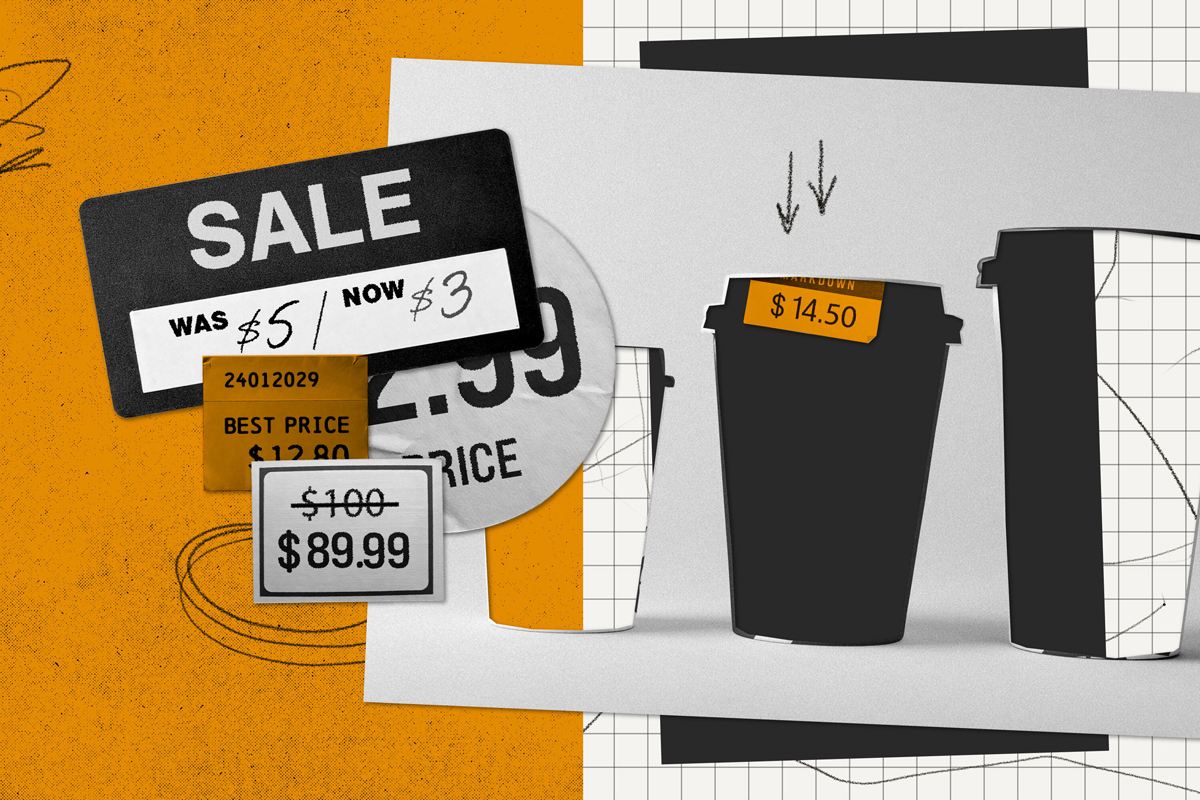

Whether you’re buying gifts or groceries, a good deal can be hard to resist. But what feels like an unbeatable value may actually be psychological pricing carefully engineered to grab your attention. Retailers often deploy manipulative pricing strategies that are much more complex than simply slashing the cost of a product.
If the price of an item seems almost too good to be true, that may be exactly the case. Here are five common deceptive pricing tactics you may encounter while shopping.
Charm Pricing
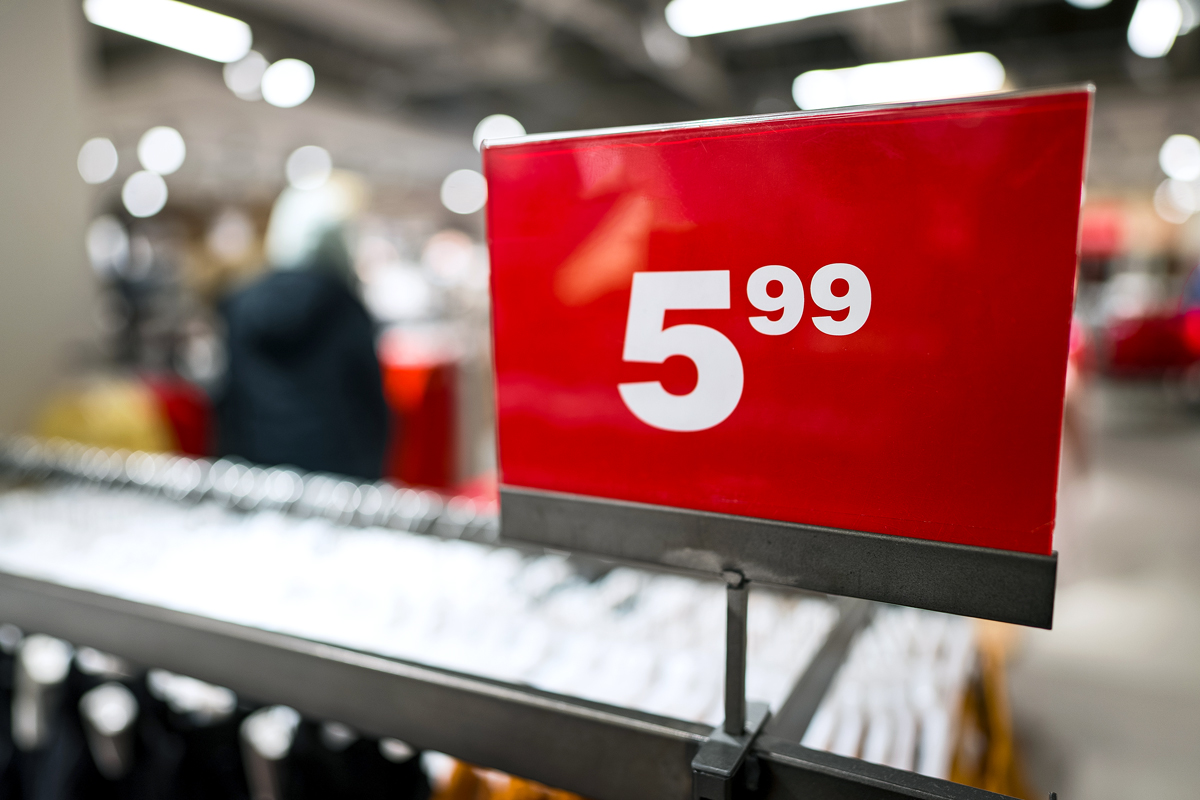
No, we’re not talking about the price of a box of Lucky Charms. Charm pricing refers to the fact that a product that costs $4.99 feels like a much better deal than one priced at $5, even though the difference is just a single penny. This common tactic is why so many price tags end in 99 instead of 00, whether representing cents or dollars.
Charm pricing relies on a phenomenon called left-digit bias, in which people put an irrationally strong emphasis on the first digit they see when reading left to right. Our brains tend to process $4.99 as feeling closer to $4 than $5, simply because the first digit is also a 4.
A 2020 study determined that people viewed the gap between $2.99 and $4 as larger than that between $3 and $4.01, even though both gaps are $1.01 apart. People simply processed the first example as $2 compared to $4, and the second example as $3 vs. $4.
The price doesn’t necessarily need to end in a 9 for charm pricing to be effective, but the digit is the most common choice of merchants because lowering the cost by a single cent maximizes profits.
Price Anchoring

If you walk into your local electronics store, you may notice a 75-inch television discounted from $1,000 all the way down to $300. This rock-bottom price might have you rushing for your credit card to take advantage of the deal before it disappears. That discount may not be going anywhere, though — it may have even been there the whole time.
Using the tactic of price anchoring, stores may intentionally display the original price of an item next to the sale price to draw a direct comparison. Often, they’ll also include a symbol, such as a line struck through the original price. This strategy plays on cognitive bias, which distorts our ability to process information. If we assume the original, or “anchor,” price is the true value of a product, the new, lower price will seem like a steal.
But that original price isn’t necessarily indicative of what shoppers are actually willing to pay — it’s even possible that the TV has been “discounted” at that sale price since day one, with the anchor price only ever included by its side as a manipulation tactic. That’s why it’s a good idea to shop around and see what other retailers are charging for a given product.
The Compromise Effect
Retailers use the compromise effect to upsell customers to a higher-cost product even if that item isn’t the most expensive one available. It’s a bit like Goldilocks and the Three Bears: One price is too high, one is too low, and one is just right.
Let’s say you’re buying a cup of soda at the movie theater. You may see a small drink for $3, a medium one for $3.50, and a large for $5. In this case, the store is pushing you to buy the medium size, even though it would make more money on the large. Because $3.50 is much closer to $3 than to $5, a small comes off as a bad deal by comparison.
Even if you planned on just ordering a small, you’re now primed to grab the medium, since you’re seemingly getting a lot more for just an additional 50 cents — 50 extra cents that the theater is now making even though you only wanted a small.
A similar tactic, called decoy pricing, involves making one option look like an especially good deal: If the medium soda is bumped up to $4.50, suddenly the $5 large feels like a smart buy. The medium has become a decoy meant to distract you from the high price of the large.
Prestige Pricing
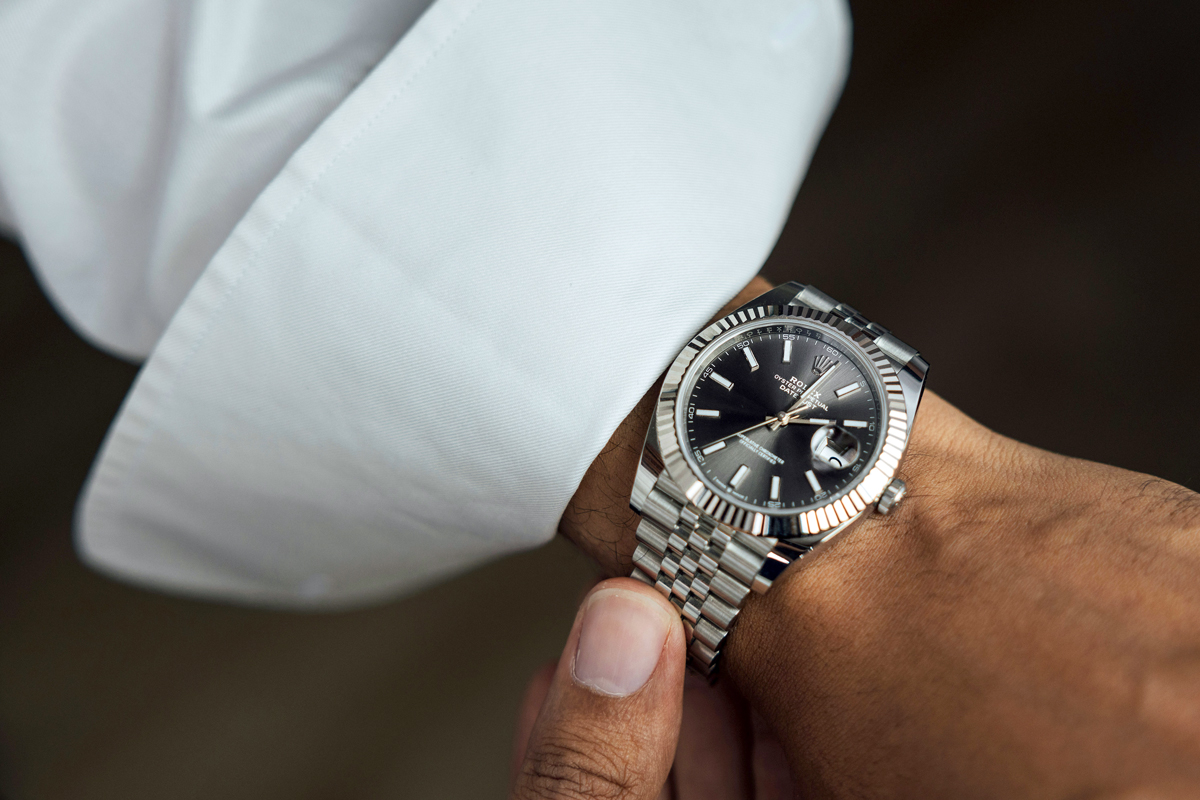
Prestige pricing is often used by luxury brands. It involves the artificial inflation of a product’s cost to imply the product must be high quality. A shopper who knows nothing about wine, for instance, may assume that a higher price means a better-tasting wine, regardless of the bottle’s actual quality.
Prestige pricing can also be used to create a false sense of scarcity or exclusivity. For example, Rolex may set the price of a watch at 10 times the actual cost rather than two, and yet some consumers will still be willing to shell out the cash so they can be associated with the brand’s elite status.
Of course, prestige pricing essentially puts certain items behind a paywall, pricing out an entire group of potential customers with less disposable income. But certain businesses and brands still find the strategy to be worthwhile since the premium pricing earns more profit despite there being fewer buyers.
The Rule of 100
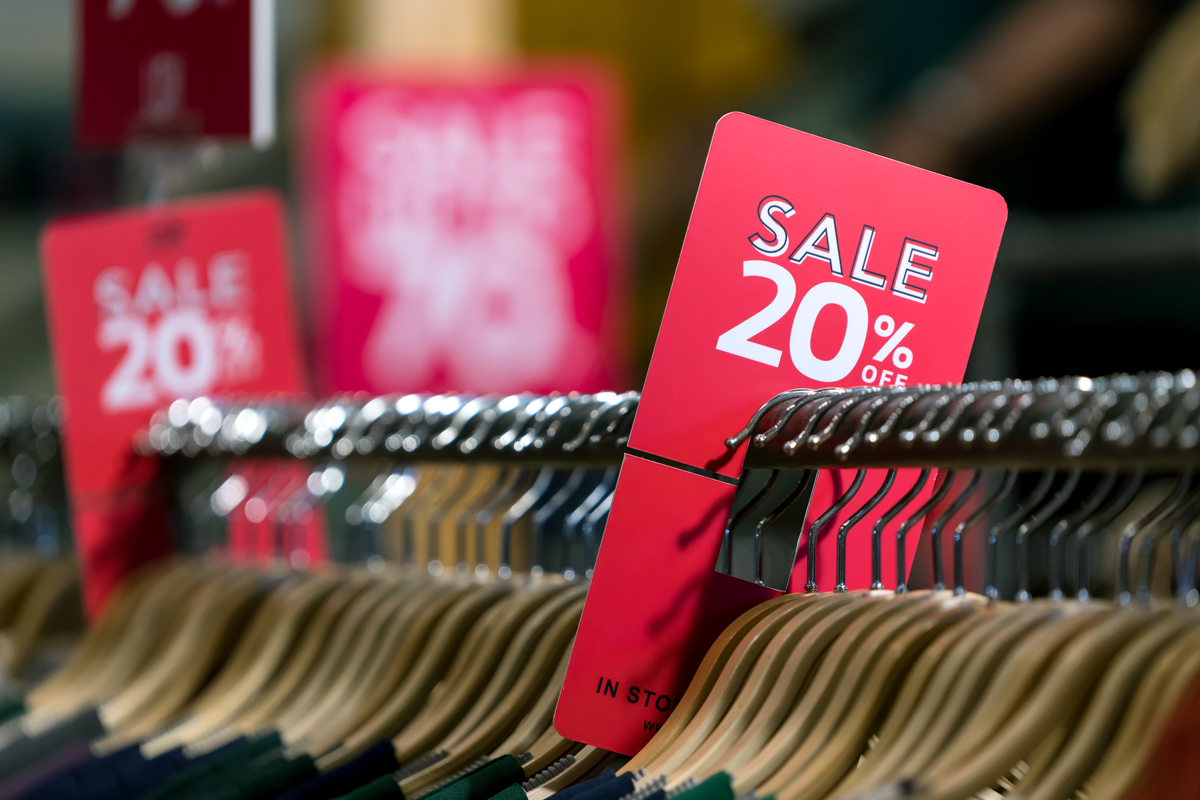
Often, sales are described by percentage — a T-shirt may be 25% off, for instance. Jonah Berger, professor at the Wharton School of Business, argues that a deal represented this way is perceived as better when the price is less than $100 but not as attractive when it’s more than $100.
Berger uses a T-shirt to illustrate this “rule of 100.” Start with a shirt that is normally $20 but on sale for 25% off — meaning it costs $15. According to Berger, stores close more sales if the discount is advertised at 25% off instead of $5 off because the percentage feels like a bigger discount. But if the same discount is applied to a $2,000 computer, the opposite is true: $500 off seems like a better deal than 25% off.
The effect is even stronger if the discount is a low-sounding number — imagine being offered 11% off a $20,000 car. At first, that doesn’t feel like much of a discount, even though you’d be saving $2,200. Conversely, the 25% sale on the T-shirt feels like a more impressive amount than $5. When stores decide not what to discount a product by, but how to advertise that sale, they likely take the rule of 100 into account.
As with the other pricing tactics used by merchants, your best bet is to take a second and actually think about how much you’re spending — and whether you feel something is worth that price.