
HEALTH

Why Do You Get Goose Bumps When You’re Cold?

Goose bumps on a human arm
Credit: Oleksii Sergieiev/sttock.adobe.com
Erik Gregersen
Author
Erik Gregersen is a senior editor at Encyclopaedia Britannica, specializing in the physical sciences and technology. Before joining Britannica in 2007, he worked at the University of Chicago Press on the Astrophysical Journal. Prior to that, he worked at McMaster University on the ODIN radio astronomy satellite project.

You go to the movie theater and sit down with your popcorn and soft drink. You get goose bumps. But the trailers haven’t even started yet. It’s just too darn cold in the theater. Yeah, Nicole Kidman, this is a place of magic, but it’s also a place where I should’ve brought my sweater in June. And why does chilly air cause goose bumps anyway?

Goose bumps are actually a very old defense our bodies came up with early in our evolution. They frequently form as a response to cold because they are specifically meant to combat it.

It’s a Case of Nerves

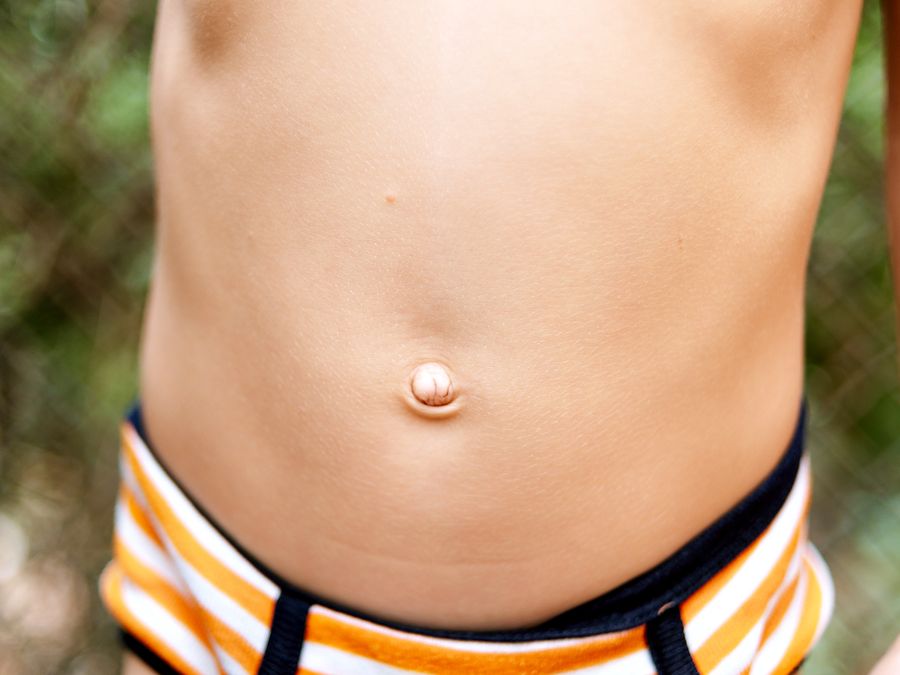
Goose bumps happen when you get cold, though can also occur when you experience strong emotions like anger or fear. Goose bumps happen when the tiny muscles at the base of your hair follicles contract, which raises the hair and causes a bump around the hair follicle. This is an involuntary reaction controlled by nerves in your sympathetic nervous system.

The evolutionary function of goose bumps helps animals trap warm air near their skin. In humans, pores close up, trapping warm air, which is not quite as effective as a sweater on a chilly day, but still has some benefit. In the case of strong emotion, an animal’s fur stands up, making it seem larger and more fearsome to a predator, like a cat does when it arches it back and stands its fur on end.

Cat arching its back
Credit: Marina/stock.adobe.com

Why humans have goose bumps is still a subject of some speculation. The amount of temperature regulation we get from it seems to be small. When you’re cold, your body responds in other more significant ways like increasing your metabolism, constricting your blood vessels near your skin to keep heat in, and shivering to generate heat through quick motion. In fact, even if you never had goose bumps, you’d be fine.

A study has shown that when goose bumps happen, the tiny muscles at the base of the hair follicles and the nerves nearby help activate hair follicle stem cells, which are the basis of future hair growth. The study’s authors pointed out that the three-way interaction between the hair, nerves, and muscles occurs in many mammals, even in humans, in which it does not regulate temperature, suggesting that there may be some other function for goose bumps that is still unknown.

So, the next time you find yourself shaking off goose bumps at a theater where the A/C is pumping on overdrive, remind yourself that, yeah, sure, the movies are magic — but so is the human body.

Short Answer

Goose bumps are caused by the contraction of muscles at the base of hair follicles. This contraction, an involuntary reaction controlled by the sympathetic nervous system, raises the hair and causes a bump around the base of the follicle.