CULTURE
The 7 Casino Games With the Best Odds
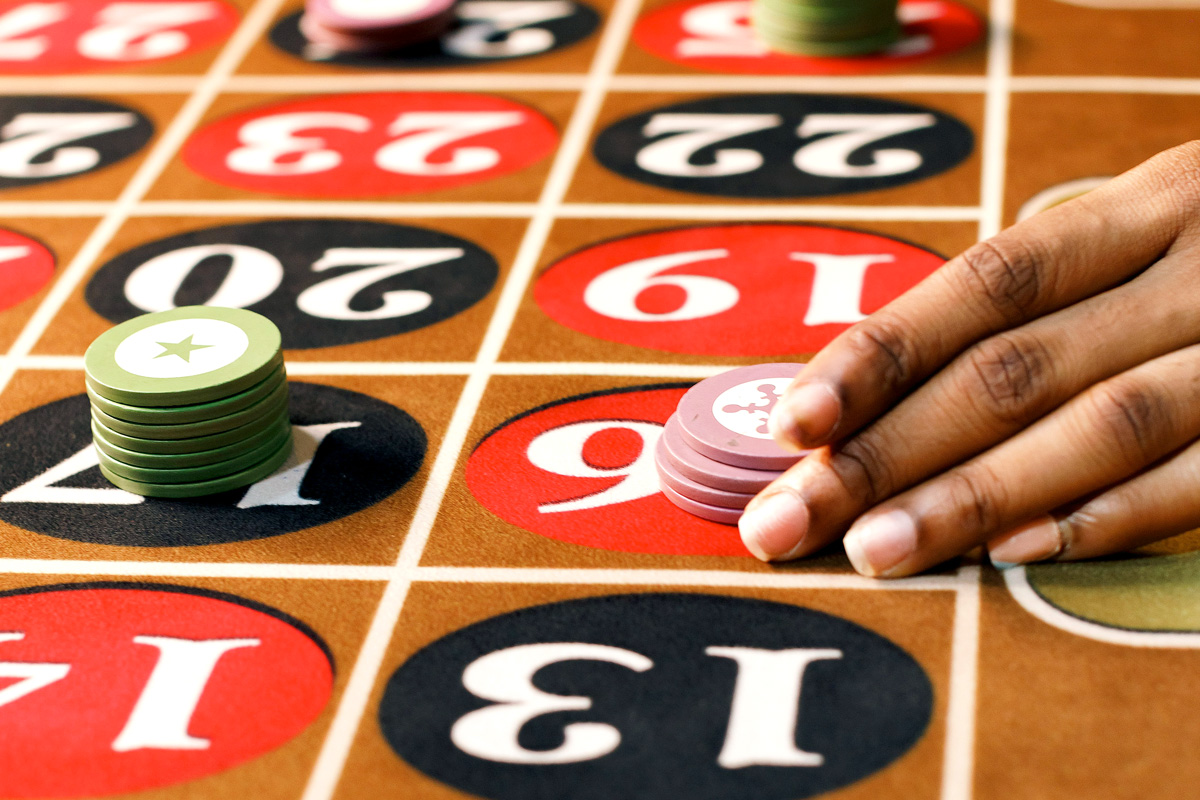

Casinos market themselves as places where a dose of good luck changes lives. The hard reality, though, is that every casino game is built to favor the house. After all, it wouldn’t be a great business venture if casinos were designed to lose money.
The size of that built-in advantage is called the house edge. It describes the percentage of each bet the casino expects to keep over the long run: A 1% edge means a casino profits an average of $1 for every $100 you wager. Multiply that across many customers and millions of bets, and that small margin is what makes casinos sustainable, profitable businesses.
Not every game gives the house the same advantage, though. Some offer more favorable odds, especially if you use optimal strategy or choose specific bets. For some games, how much you’re paid out for a particular type of win can vary from casino to casino or even from table to table, and this also affects the size of the house edge. (Hitting an extremely rare royal flush in video poker wouldn’t be much of a victory if the casino only paid you 2-to-1, for example.)
When a game has a lower house edge, you’ll likely still lose money in the long run — that’s just baked into the design. If you’re still willing to take the risk for a little fun, here are the seven casino games with the lowest house edges, giving you the best odds of a good payday.
Video Poker (Jacks or Better)
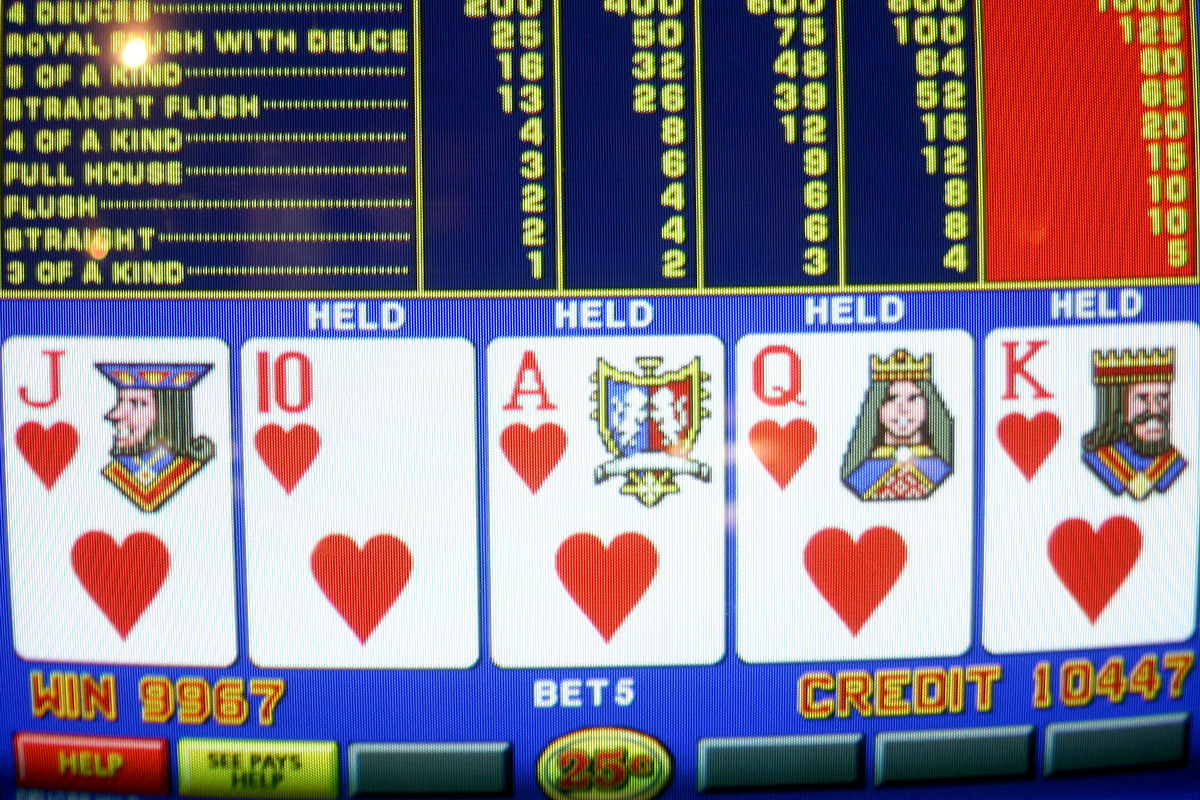
House edge: 0.46% with a full-pay 9/6 machine
Video poker offers some of the best odds on a casino floor — if you play the right machine. In the game Jacks or Better, you receive five cards and choose which to keep and which to discard in hopes of forming a winning poker hand — anything better than or including a pair of jacks.
Look for a full-pay 9/6 machine, where, on a max bet, a full house pays nine times what you put in and a flush pays six times — weaker paytables raise the edge quickly. With optimal strategy — literally playing your cards right — a 9/6 video poker machine’s theoretical return is 99.54%, leaving the casino with just a 0.46% edge. That is an exceptionally slim margin.
Blackjack
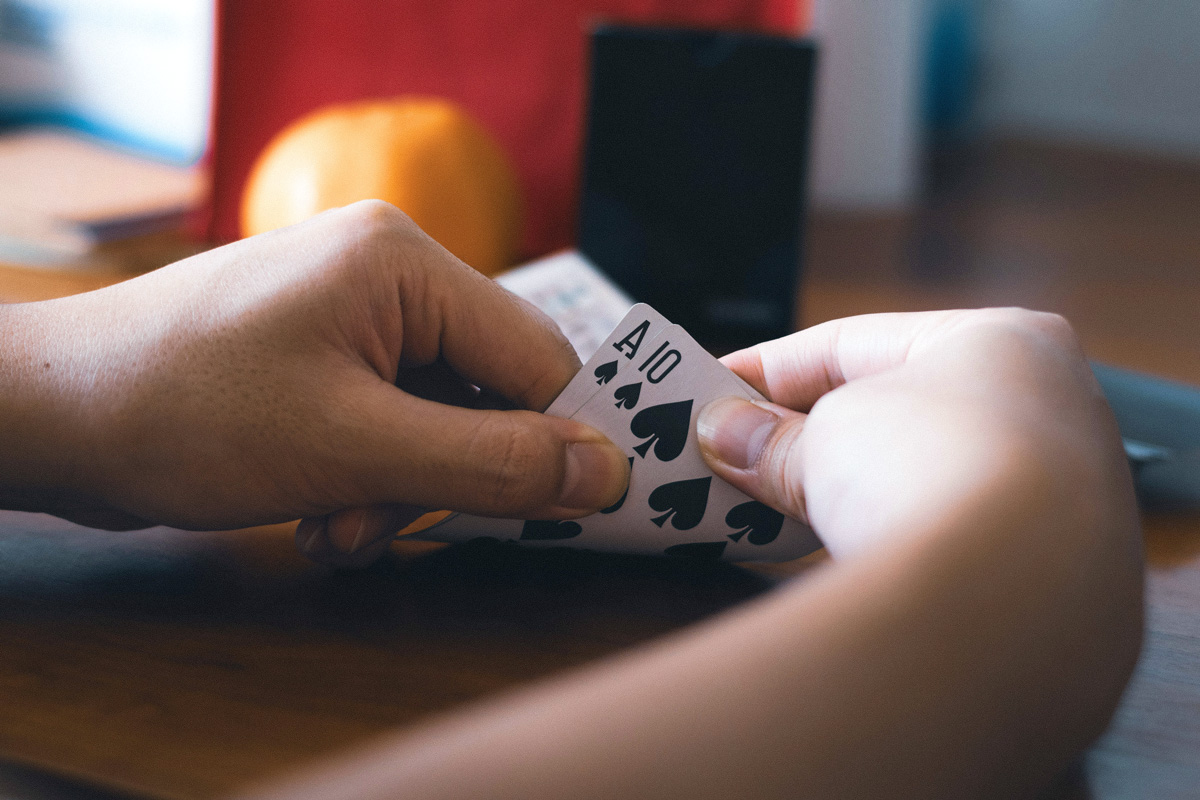
House edge: Around 0.5% with optimal basic strategy
In blackjack, you must beat the dealer by getting a hand closer to 21 without going over. Unlike games that rely almost entirely on selecting and placing a wager, blackjack rewards players who learn basic strategy: a math-based set of decisions about when to hit, stand, double down, or split pairs.
Follow basic strategy, and blackjack’s house edge drops to roughly 0.5%. That number assumes a table that pays 3-to-2 on a blackjack. Tables paying 6-to-5 raise the edge significantly — you win $12 for every $10 bet, as opposed to $15 for every $10 — so check the sign before you sit down.
Baccarat
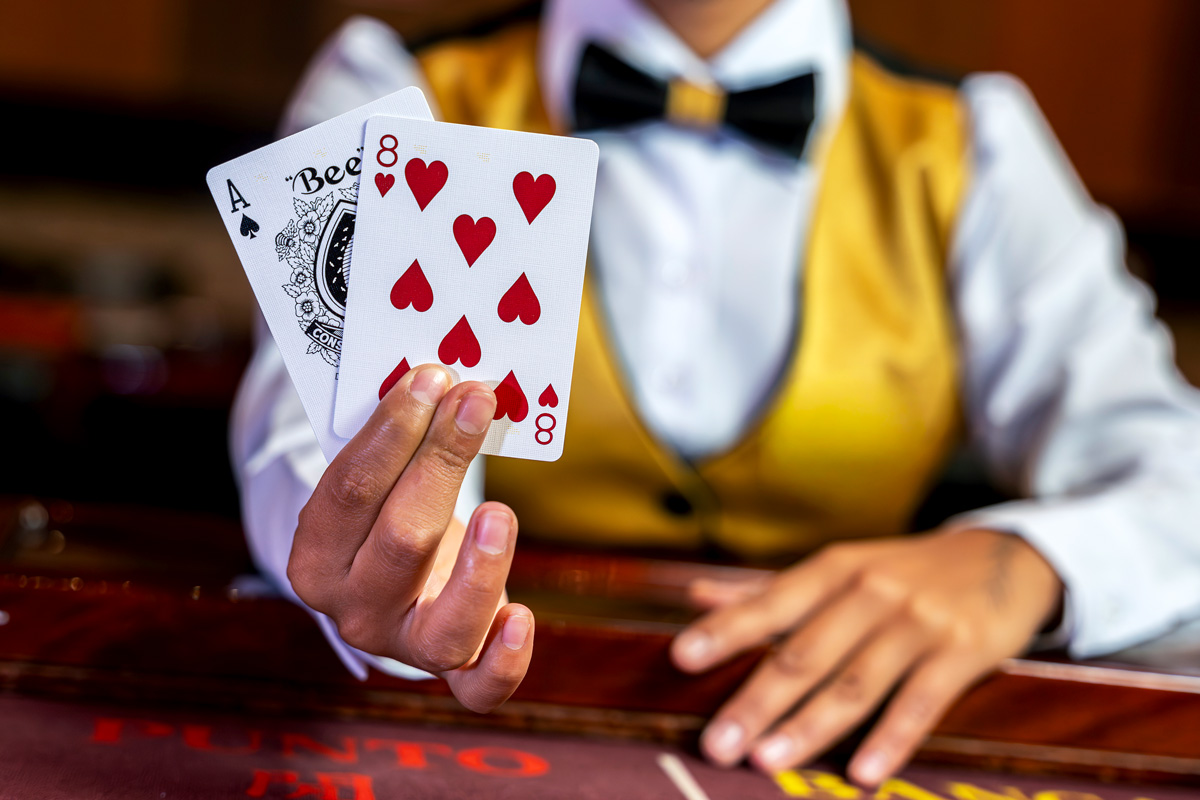
Baccarat is a straightforward game with a low house edge. Your only job is to bet on whether the Player hand or the Banker hand will finish closer to nine, with a Tie bet also available. The Banker bet is the most favorable of the common wagers, at about 1.06% even after the casino’s usual commission on wins, while the Player bet comes in at about 1.24%.
The Tie bet has a big payout but a bigger risk, with an edge of more than 14%. In other words, the casino expects to make nearly 14 times the profit from people betting on a Tie versus those betting on the Banker, even with the larger prizes.
Craps
House edge: 1.36% on Don’t Pass, 1.41% on Pass Line
A craps table offers a dizzying array of bets, but two of its simplest wagers are also two of its safest: the Pass Line (1.41% house edge) and the Don’t Pass (1.36% house edge). Both are favorable compared to many other casino bets, and neither requires elaborate strategy to understand.
After a dice shooter establishes a point (a specific number to roll), the Pass Line bet wins if the shooter can roll that number again before rolling a seven. Don’t Pass generally bets against the shooter, with some exceptions in how certain outcomes are treated.
Technically, there is another wager in craps — the odds bet — that is considered perhaps the best bet you can make in any casino game. That’s because its payout perfectly matches its risk (based on probability), meaning there is a house edge of 0% — by “taking the odds,” you are just as likely to win as you are to lose. Of course, there’s a catch: You can only make this bet after making a Pass Line or Don’t Pass wager, which acts as a kind of entry fee.
Pai Gow Poker
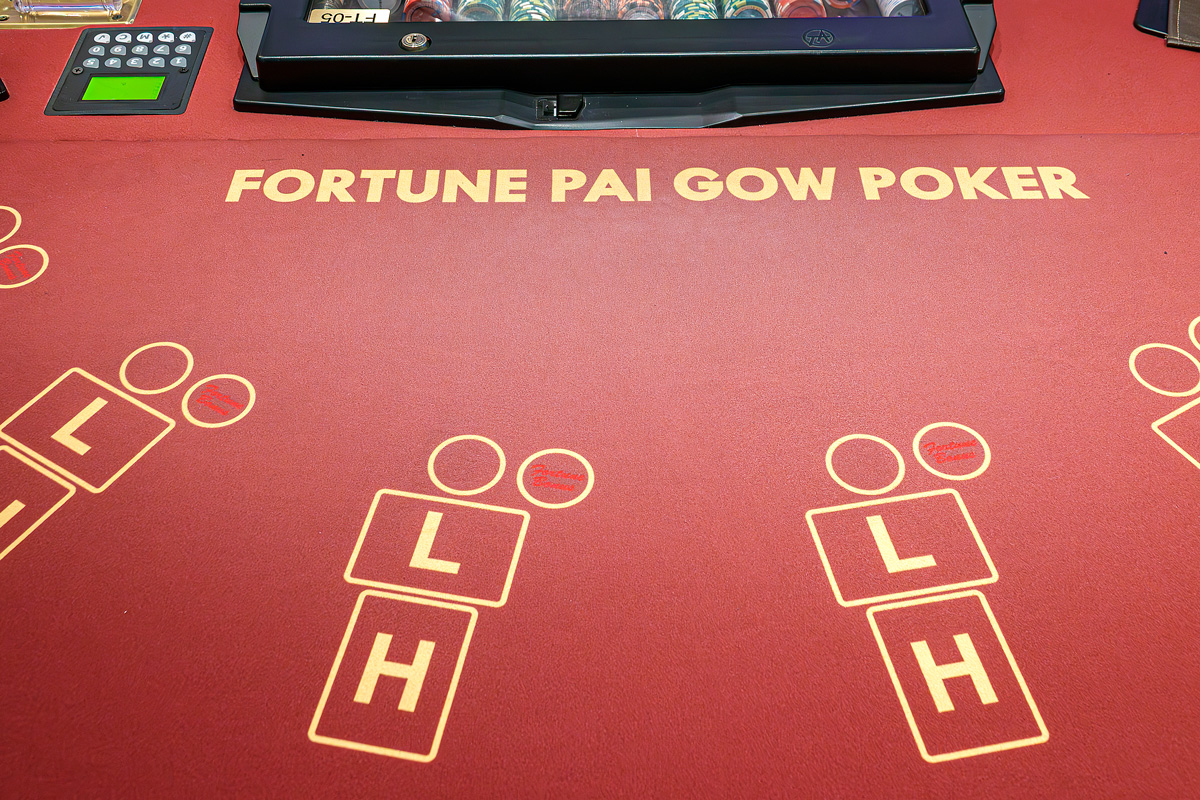
House edge: Approximately 1.46%
Pai Gow Poker combines traditional poker with a slower, more methodical pace. You’re dealt seven cards that you split into a five-card hand and a two-card hand, and you win only if your high and low hands beat the dealer’s high and low hands, respectively.
If only one hand beats the dealer’s, it’s a push, meaning you win your money back but nothing else. Depending on how you play, Pai Gow’s standard house edge is approximately 1.46%, assuming conventional rules and solid hand-setting strategy.
European Roulette
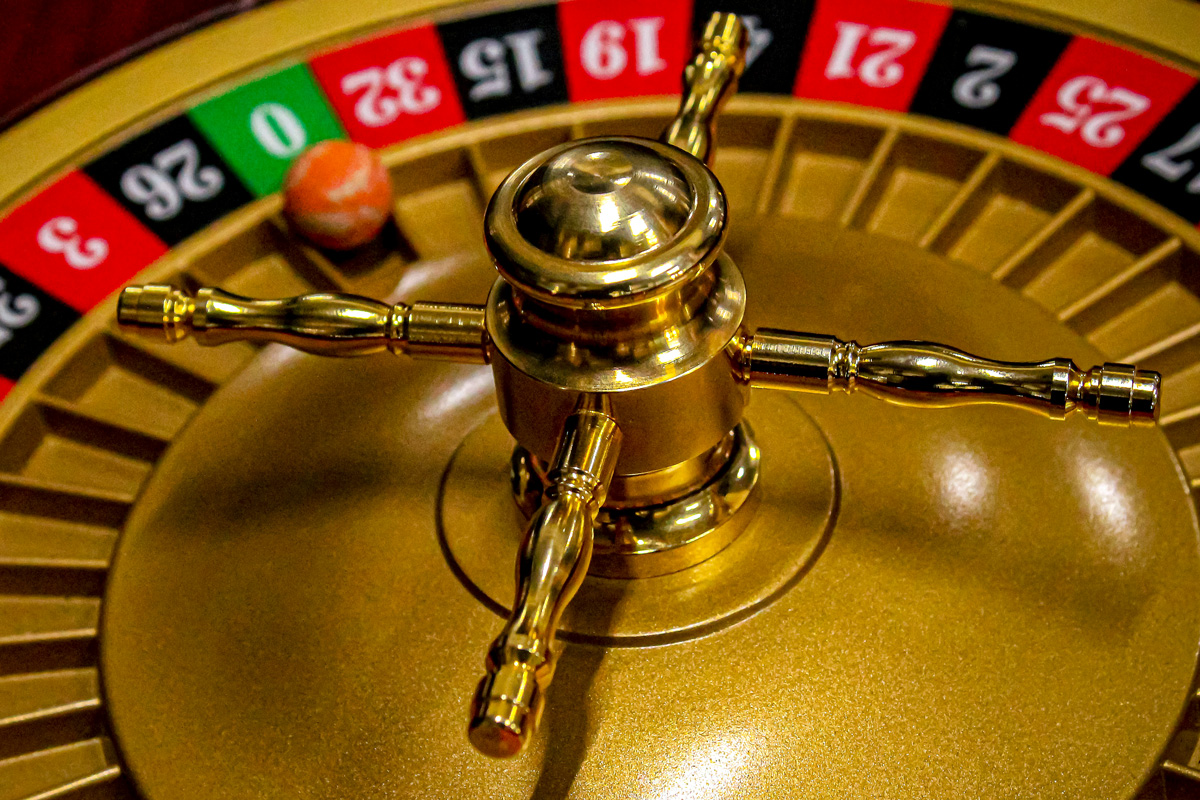
House edge: 2.70% on standard bets
Roulette’s wheel design makes a big difference to the odds. A European wheel has 37 pockets — the numbers 1 through 36 plus a single green zero. That zero is the source of the house’s advantage: An even-money bet such as red/black or odd/even is almost a 50-50 bet, except that single green zero skews the odds — you win on 18 numbers but lose on 19.
American roulette wheels add a second green pocket: double zero (00), which nearly doubles the house edge to 5.26%. You’re more likely to come out ahead playing a single-zero wheel, which can be harder to find in American casinos.
Three-Card Poker
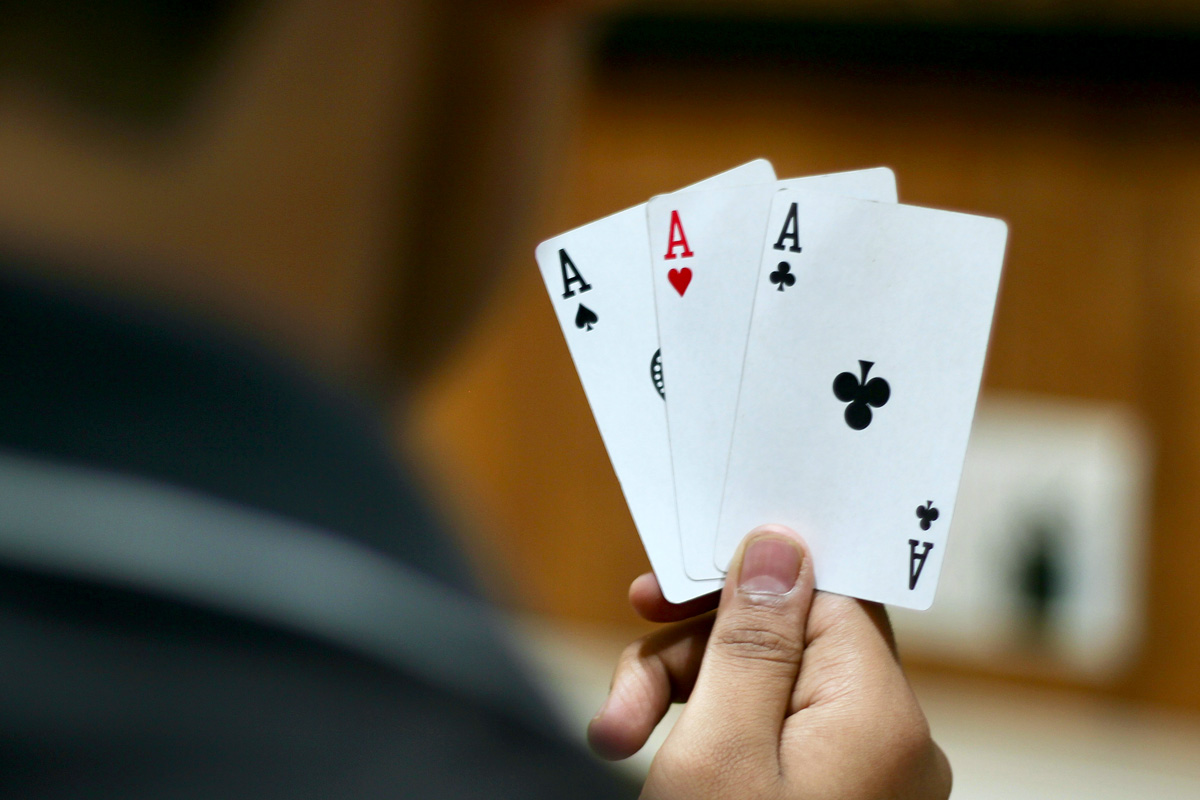
House edge: 3.37% on the ante bet, assuming optimal strategy
In Three-Card Poker, you place an ante bet and get three cards, then either fold or make an additional bet to try to beat the dealer’s hand. A simple strategy based on statistics keeps the edge near 3.37%: Raise with queen-six-four or better and fold anything weaker.
You can also make a Pair Plus side bet, which is based on your own hand regardless of the dealer’s, but it carries a far higher edge — about 7.28% under a common paytable. Here, as with many casino bets, the greater the risk, the greater the reward — and the greater the odds you walk away empty-handed.