TECHNOLOGY
How Do Earthquake Alerts Arrive So Fast?
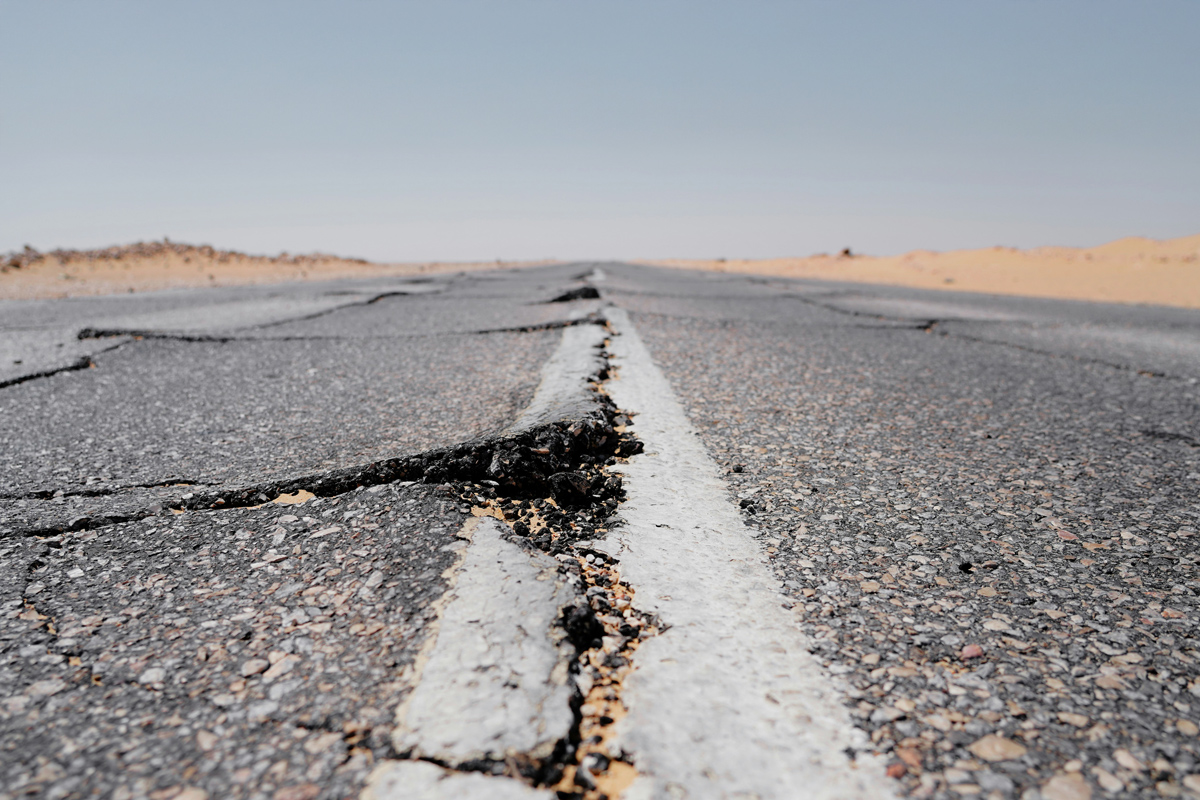

Depending on where you live, earthquakes may be a common experience. The United States experiences thousands of seismic events every year, the vast majority of which are on the smaller side (between 2.0 and 3.0 on the Richter scale). Though you might not feel quakes of this size or smaller, sensitive detection systems do — usually before you even notice the ground begin to shake.
The advanced equipment used by seismologists — people who study earthquakes — is a scientific feat in its own right, but the fact that these systems can also alert you to an impending quake seconds, or even tens of seconds, in advance, is a modern-day miracle.
That may not seem like a lot of time, but it’s all you need to brace yourself and remain safe from falling debris or other hazards until the shaking has stopped. So, how do early earthquake warnings reach you so quickly?
Light on Its Feet
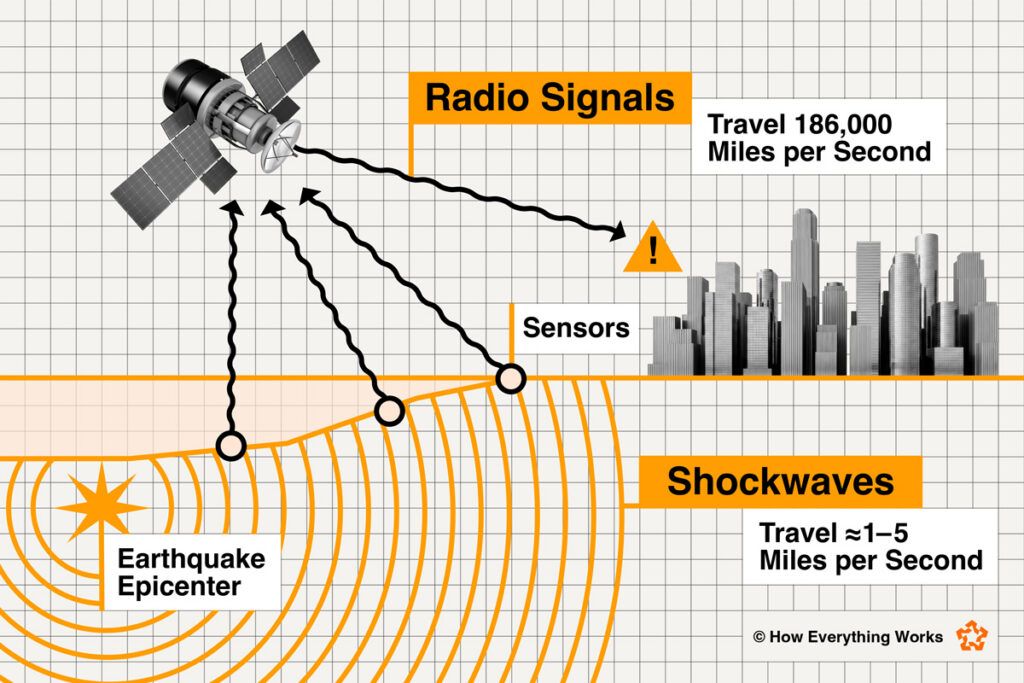
There’s no way to actually predict an earthquake in advance, and that likely won’t change anytime soon. That’s what makes early warning systems so remarkable — and vital. The reason alerts delivered to your phone are so fast is that, like other data you receive, they’re transmitted at the speed of light (186,000 miles per second). As for the process leading up to the alert being sent out, it’s a bit more involved but no less impressive in its speed.
Early warning alert systems, which are scattered across the globe, are delivered between five and eight seconds after a quake starts. That’s how long it takes for seismic waves to reach the nearest monitoring station and for said outpost’s computer systems to analyze the data and send out an alert with the appropriate information, such as location and intensity.
Factors including the type of terrain and how deep the earthquake originates affect how fast it travels through the ground. Different types of seismic waves, which are determined by their type of motion, also travel at different rates. Fortunately for us, the most intense and violent type — surface waves — is also the slowest, giving light-speed alerts taking off from nearby stations a huge head start.
If you’re especially close to the epicenter — usually within 10 miles — you might feel the ground shaking before receiving the alert. The rest of the time, though, you should have at least a few seconds to brace yourself.
Every Second Counts
A few seconds might not sound like a lot, but it could be the difference between a good outcome and a bad one. That amount of time could easily provide enough time for a driver in traffic to pull over to safety or someone at home to drop, cover, and hold on. (Despite what you may have heard, you shouldn’t stand under a doorway during an earthquake.)
Any number of high-stakes situations — a surgeon performing a procedure, a chef cutting vegetables, a farmer handling heavy machinery — would benefit greatly from even the slightest bit of advance warning. There are multiple earthquake detection apps available that can warn you on your phone, though in certain parts of the country, the loud, shrill, government emergency alerts will also warn anyone with a smartphone.
The technology is continuously being refined and advanced to make earthquake alerts even the tiniest amount faster. Some systems use the accelerometers on smartphones of participating users to monitor shaking. The equipment is far less sophisticated, but if users are closer to an epicenter than official monitoring systems, an alert sent to others in the network may come sooner than an official one.
A combination of methods may turn out to be the best, because when it comes to earthquakes, any warning is better than no warning.
Earthquake detection systems work incredibly fast once seismic waves reach them. The alerts they send out over cellular and radio networks travel at the speed of light, faster than the seismic waves that have passed the monitoring station and are heading toward you through the ground.
Short Answer