CULTURE
How Do Optical Illusions Trick Your Brain?
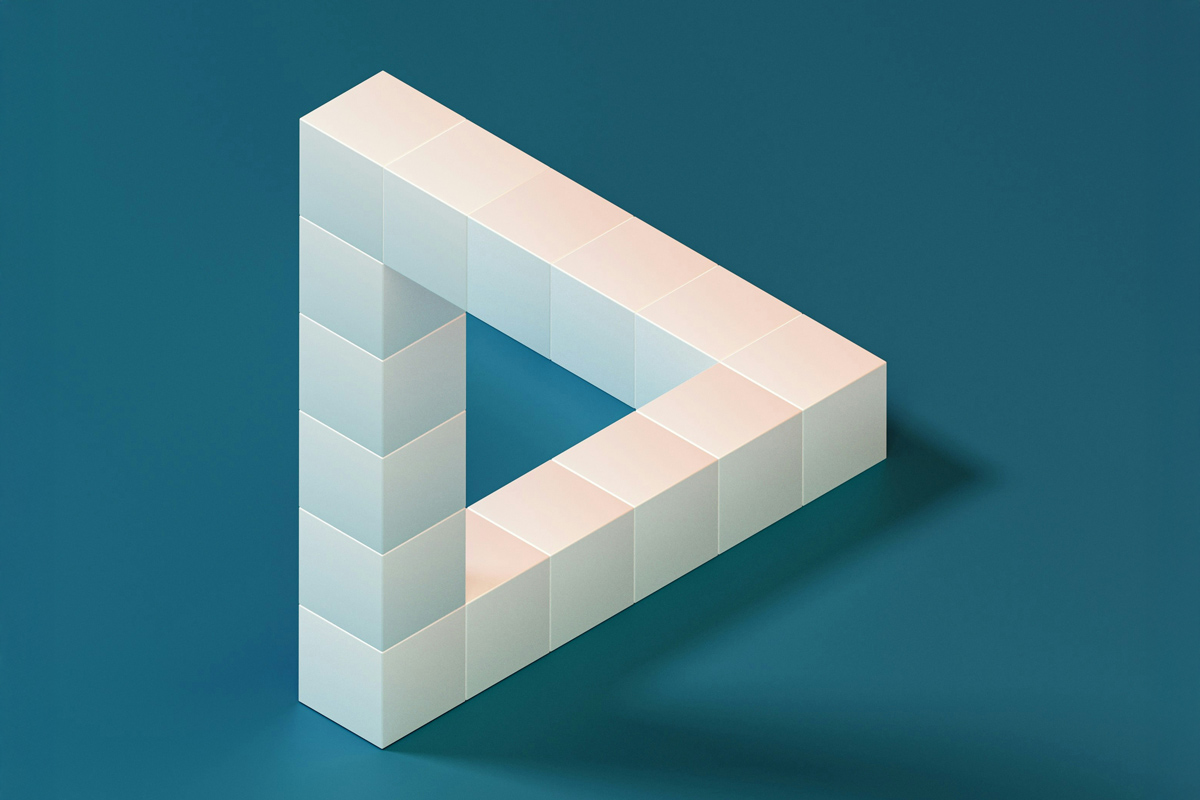

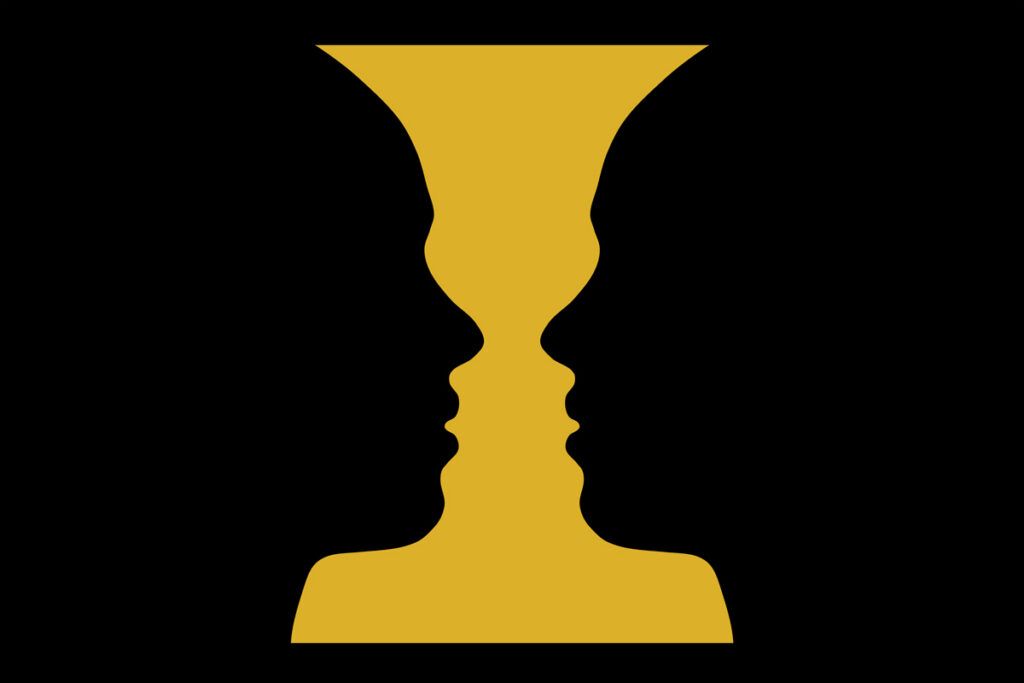
Look at a classic optical illusion, and you might see a vase — or two faces. A grid might sprout ghostly gray dots that vanish when you stare straight at them. Two identically colored squares might somehow look like completely different shades. Your eyes aren’t broken. In fact, optical illusions have less to do with your eyes and more to do with your brain.
We like to think of vision as a straightforward process: Light hits your eyes, and you see what’s there. In reality, your brain is doing something much more ambitious. It’s not just receiving information — it’s interpreting it, filling in gaps, and making its best guess about what you’re looking at. Most of the time, that guess is spot-on. But optical illusions reveal the cracks in the system.
It’s All an Illusion
The problem — or feature, if you love optical illusions — is one of speed. Your brain evolved to make split-second decisions based on incomplete information. (That’s useful for survival; events actually happen some milliseconds before we can perceive them.) Instead of carefully analyzing every pixel, the brain uses shortcuts: expectations about light, shadow, shapes, and more based on past experience with how the world usually works.
That’s why you’re able to do things like catch a fast-moving baseball or duck for cover when a bird flies your way. Your brain has interpreted the situation and made a quick, split-second decision on how to react.
But it’s also why a shadow can trick your brain into thinking one square is lighter than another, even when they’re identical. Or why a flat drawing can suddenly flip into a 3D object. Your brain isn’t seeing the world as it is — it’s seeing the world as it expects it to be.
Sometimes, those expectations collide with reality.
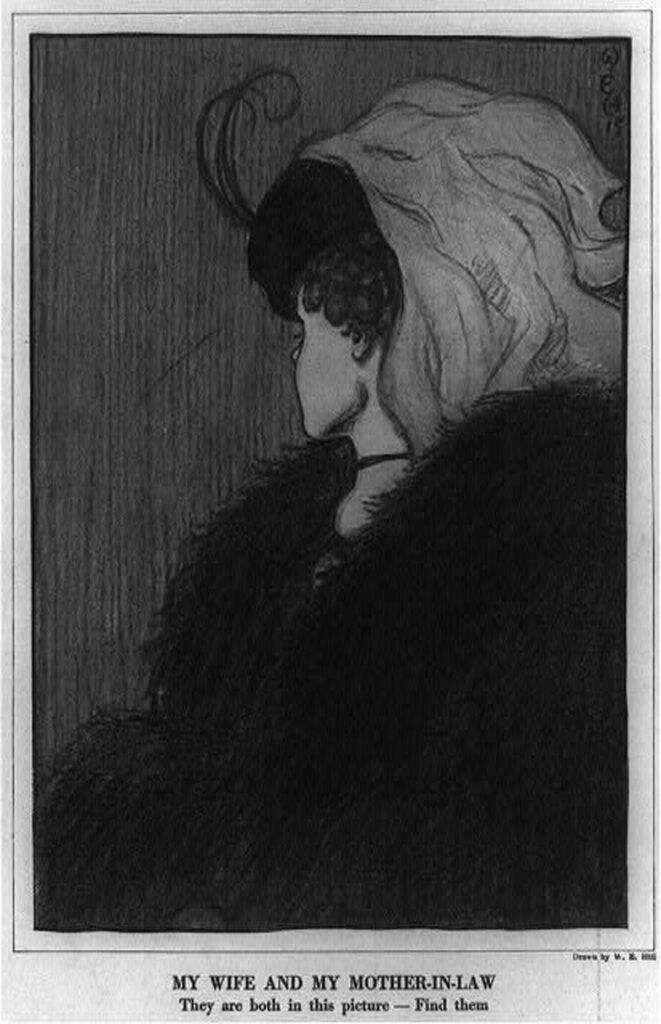
Take the famous “which one do you see?” images, for example, where perception flips between two possibilities. That’s your brain choosing between competing interpretations — and refusing to hold both at the same time. It has to pick a story, even if more than one fits the evidence.
Not all illusions work the same way, of course — and scientists still don’t fully understand why some of them work at all. Plus, perception isn’t universal. Cultural background can shape how you interpret visual cues, and even age can influence what you see first in an ambiguous image. (In the famous “My Wife and My Mother-in-Law” image, for example, younger people are more likely to see the wife first, while older viewers see the mother-in-law first.)
The result is a reminder that perception isn’t passive. It’s a construction.
Which means optical illusions aren’t just party tricks. They’re glimpses into how your brain works — fast, efficient, and occasionally, a little too confidently.
Optical illusions trick your brain because vision relies on your brain’s interpretation. Your gray matter constantly fills in gaps, makes predictions, and relies on past experience to figure out what you’re seeing. Most of the time, those shortcuts help you understand the world quickly. But when an image is carefully designed to exploit them, your brain’s best guess turns out to be wrong — and that’s when you see something that isn’t really there.
Short Answer