SCIENCE
7 Foods That Spoil Faster in the Fridge
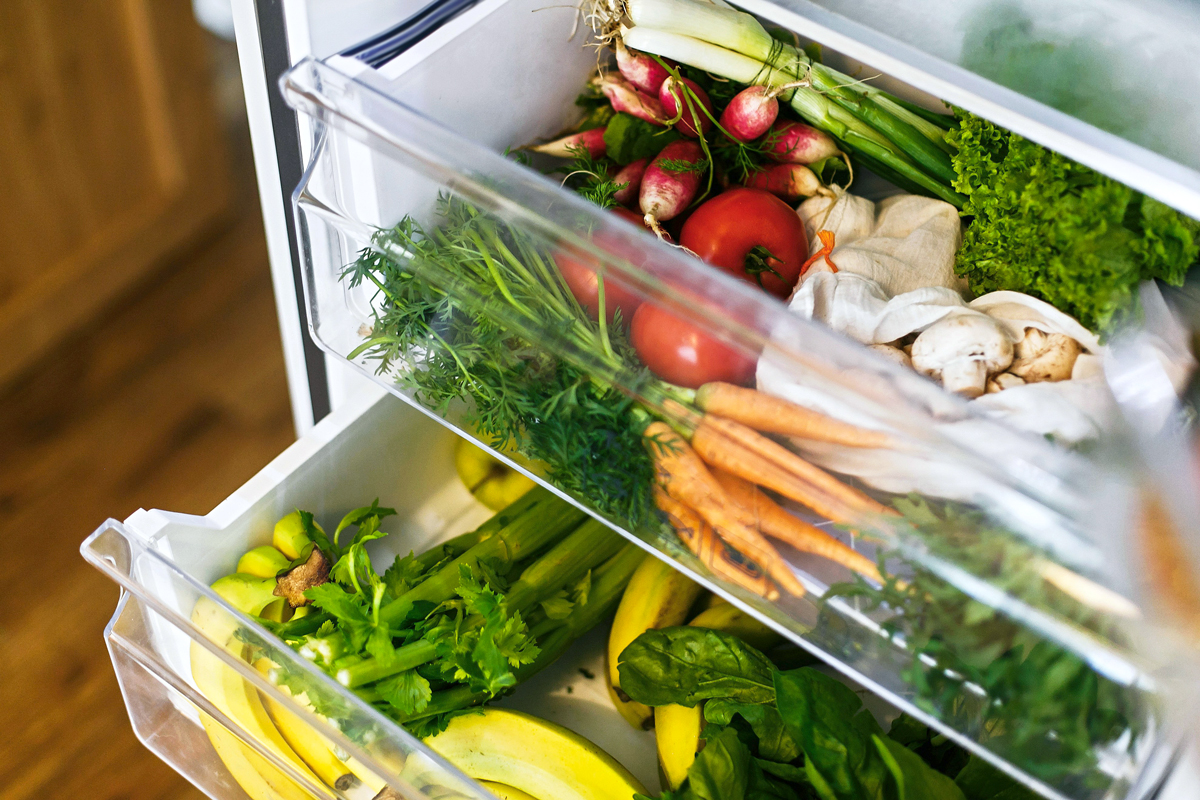

When it comes to keeping food fresh, the refrigerator is our go-to. And for good reason — it’s engineered to prolong the shelf life of everything from dairy to meat to veggies. However, the fridge isn’t the best place for every item on your grocery list. Certain foods, including some produce, actually do worse in the fridge and spoil faster than they would on your kitchen counter or in your pantry.
Here’s a look at seven foods that don’t belong in the refrigerator — and where to store them instead.
Bread
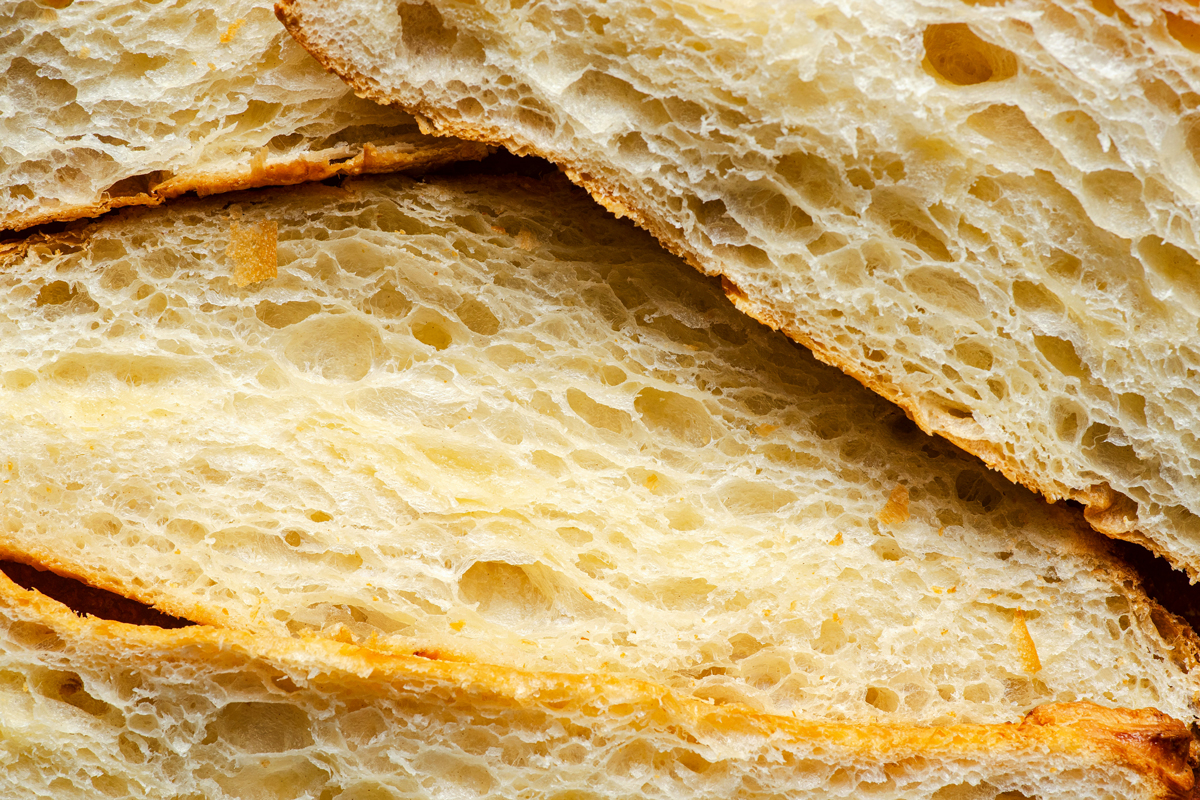
Freshly baked bread can have a surprisingly short shelf life, but the fridge won’t help extend it. A fresh loaf can dry out much faster in the appliance’s cold, dry environment than it would on the counter, in the pantry, or in a bread tin. Mold will grow more slowly in the same dry environment, but at the cost of quickly going stale.
If you don’t go through a loaf of bread quickly, it’s worth placing half in the freezer and storing the rest outside of the fridge. When you run out, simply defrost the half from the freezer and you’ll have fresher-tasting bread than you would have gotten from the fridge.
Tomatoes
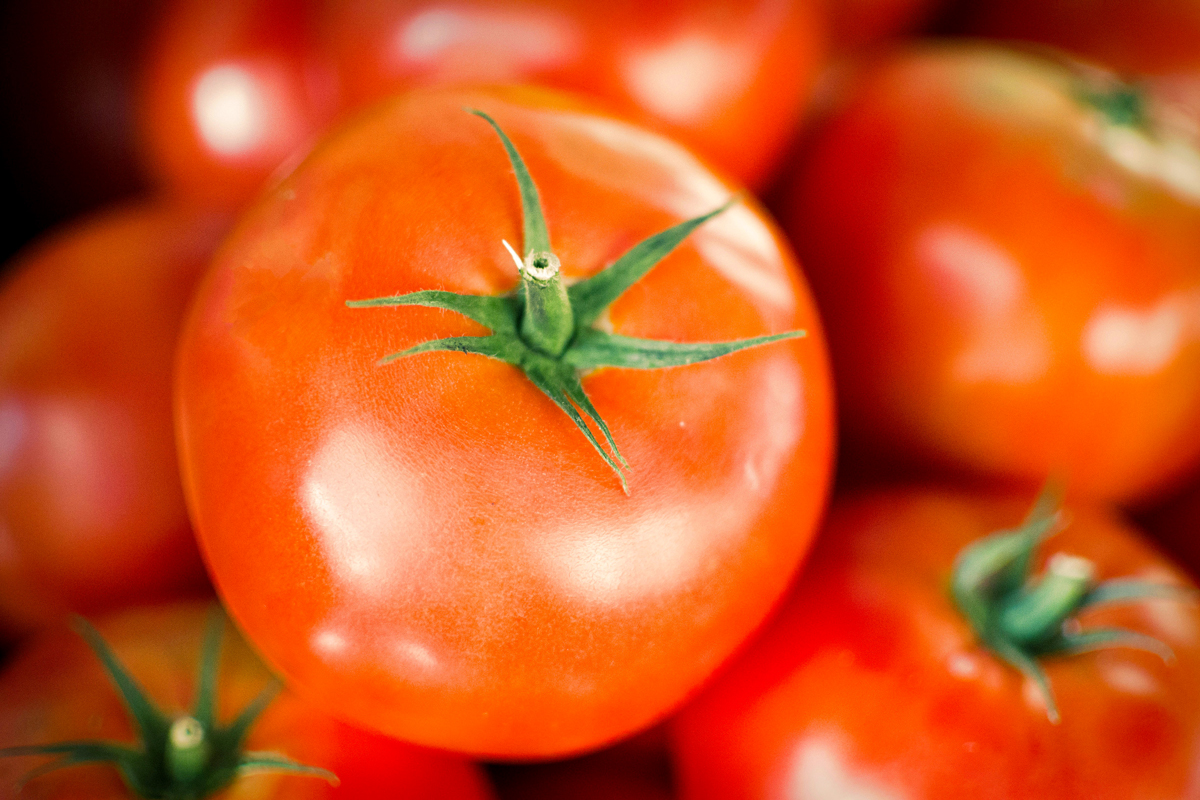
Many of us refrigerate produce out of habit, but not all of it is meant to be stored in a cool, dry place. Case in point: The fridge can actually ruin your farmers market tomatoes. Keeping them refrigerated dulls the flavor and results in a mealy texture that will make you regret your storage decisions.
Soy Sauce
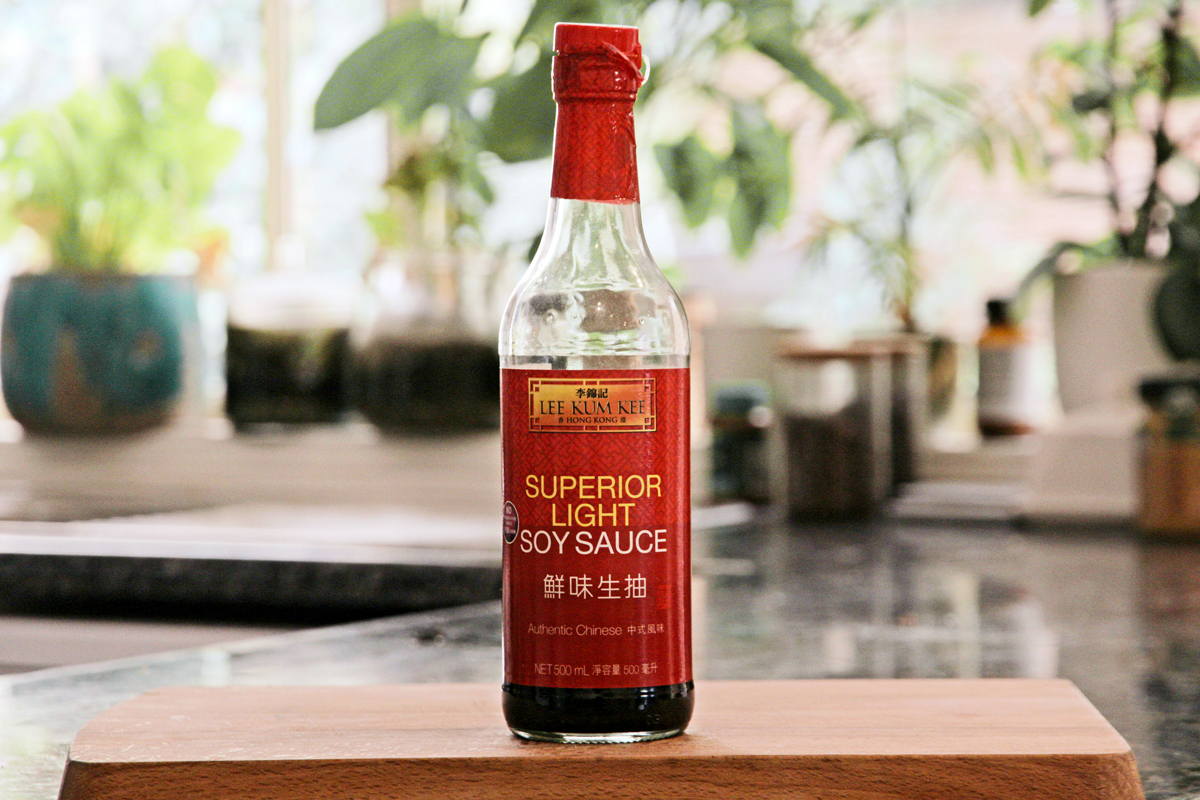
Most condiment containers say to refrigerate after opening — your soy sauce bottle is the exception. Because of its high salt content, soy sauce rarely spoils inside or outside of the fridge.
ts flavor can lose potency over time, though, and storing it in the fridge slows down this flavor loss. It will still lose it over time even in the fridge, so it’s best to replace it every three to six months. If you don’t go through soy sauce that often, opting for a smaller bottle ensures you’re using the condiment at its best.
Basil
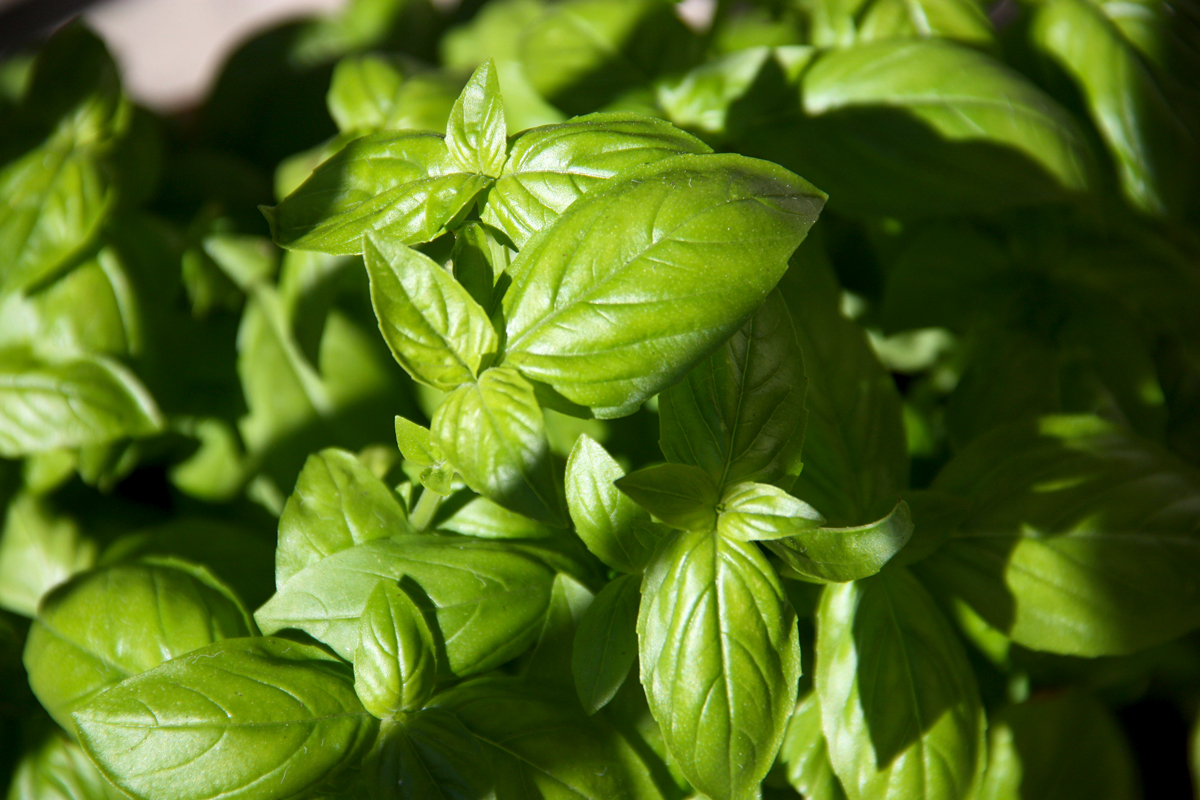
Whether it comes from your herb garden or the grocery store, basil is highly sensitive to extreme temperatures, which is why you should never store it in the fridge. The cold can cause the sensitive leaves to wilt and even turn black, so it’s best to store them on the counter. To make your basil last even longer, place it in a small vase with water and store it away from direct sunlight.
Chocolate
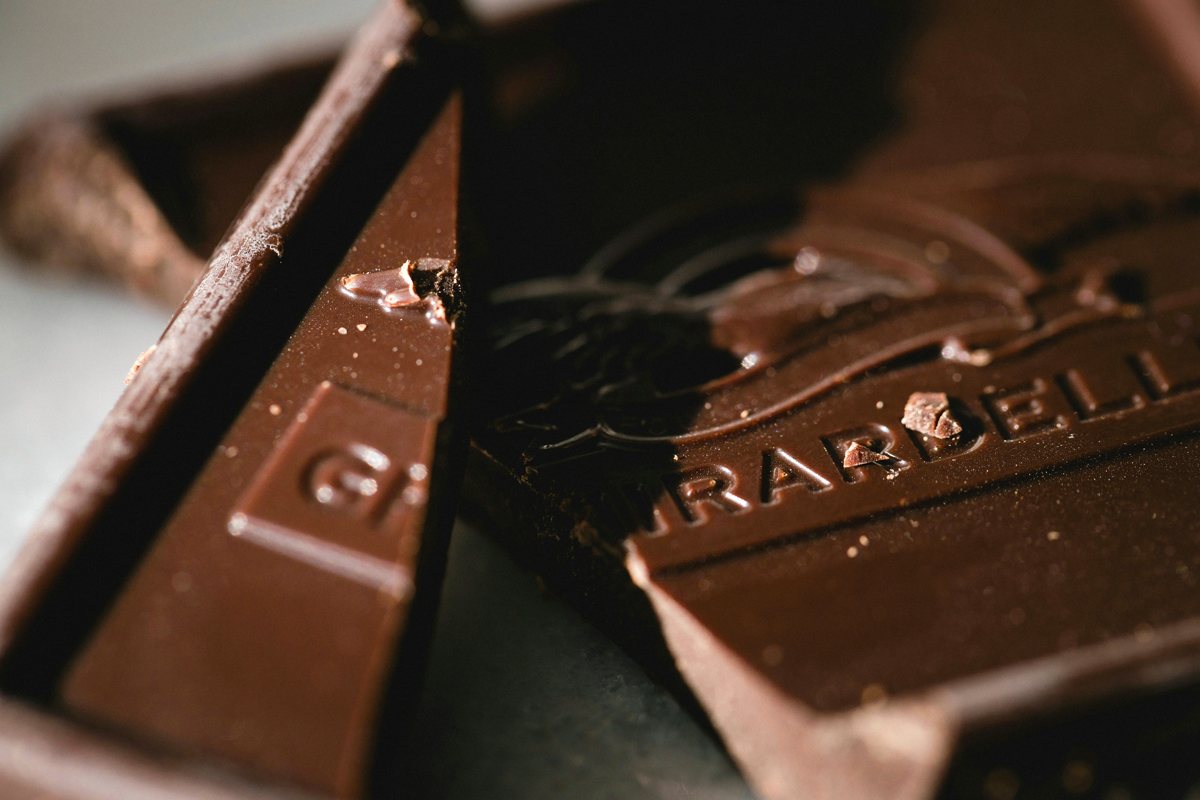
Chocolate is no fan of the fridge. While the sweet treat won’t necessarily spoil in the colder temperatures, it can absorb odors and moisture, altering the overall quality. Instead of stashing a bar of chocolate or a bag of M&M’s in the fridge, keep it in a different cool, dark place, such as a pantry or cupboard.
Potatoes
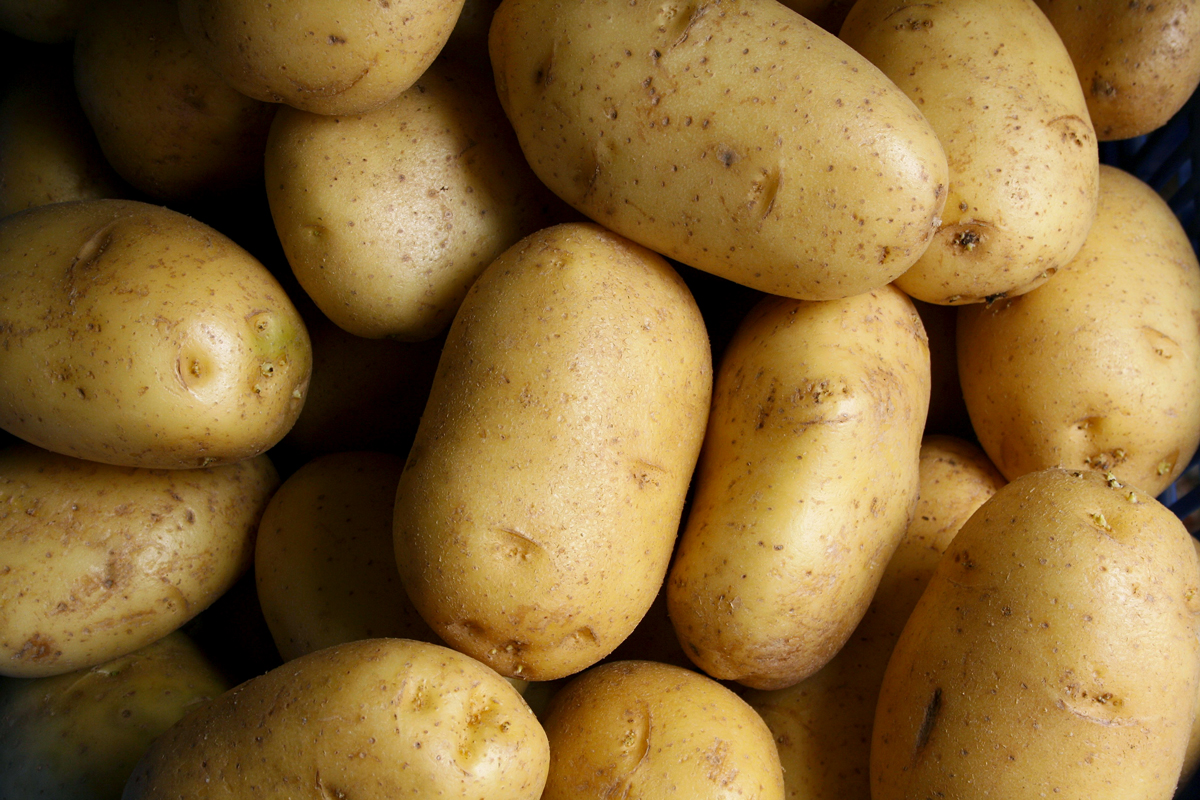
Potatoes love cool, dark conditions, too — so long as that’s not the fridge. The refrigerator’s ultra-cool temperatures can actually cause a potato’s starches to convert to sugar, which can result in faster spoiling — not to mention the tubers can lose their flavor when chilled. If you’re concerned about how long your potatoes will keep, place them in a cupboard or pantry. A storage box designed for potatoes that lives on your kitchen counter is another great alternative.
Coffee Beans
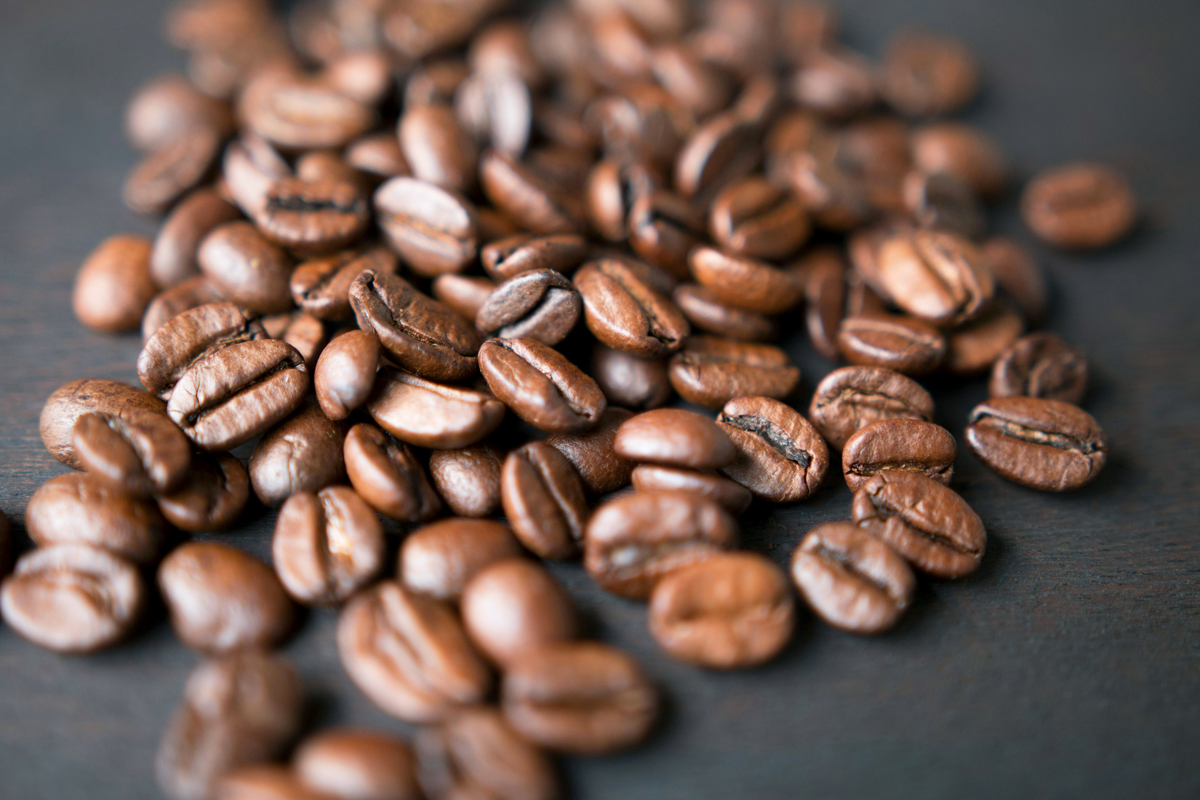
The freshness of your coffee beans can make or break your morning. Whatever you do, don’t keep a bag of fresh beans in your fridge. They easily absorb moisture, which can alter the flavor into something less than appetizing. If you don’t go through bags that quickly, the freezer may be a better place to store your coffee beans.