CULTURE
The Origins of 8 Good Luck Charms
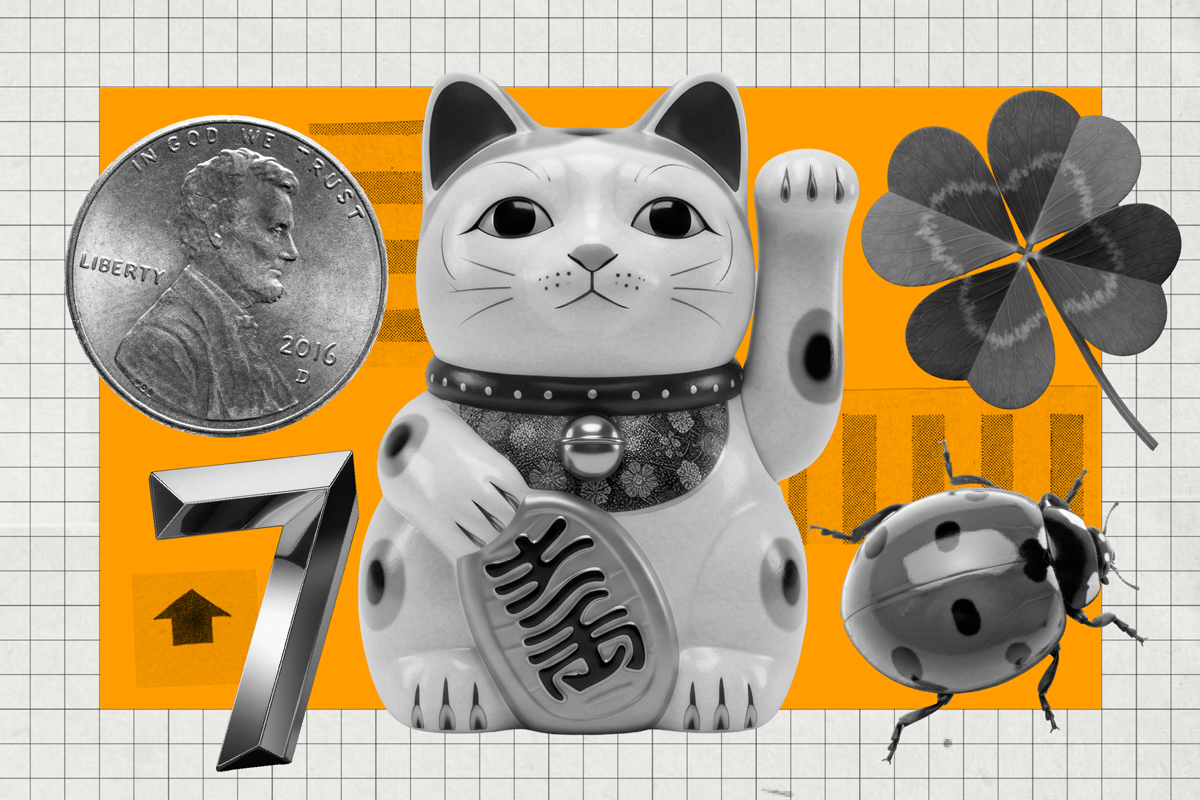

You can probably name a few go-to good luck charms off the top of your head — you may even keep one or two in your pocket or on your keychain. Or perhaps you don’t carry one but still keep an eye out for lucky finds or signs, such as pennies or the number seven.
But do you know why your preferred charms — whether they be a penny, rabbit’s foot, or something else entirely — are thought to bring good fortune in the first place? The lore surrounding lucky totems is as varied as the objects themselves, with some being considered lucky for completely different reasons depending on the culture. Here are the origins of some common good luck charms.
Rabbit’s Foot
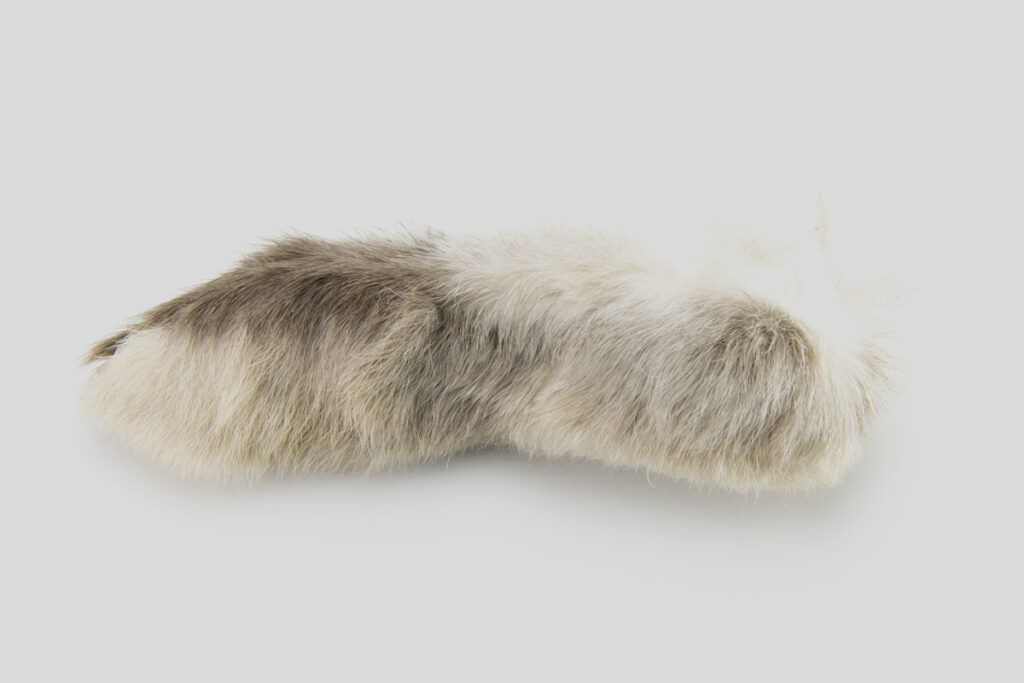
One of the oldest good luck charms is also one of the most common. For the ancient Celts, a rabbit’s foot was considered good luck because rabbits burrow underground, enabling the long-eared creatures to commune with spirits in the underworld.
In medieval Europe, witches were thought by some to take on the form of rabbits and hares, and so a rabbit’s foot was a protective talisman against witchcraft and other evils. Later, in the Americas, enslaved people considered the rabbit a clever trickster able to elude its captors and oppressors.
Horseshoe
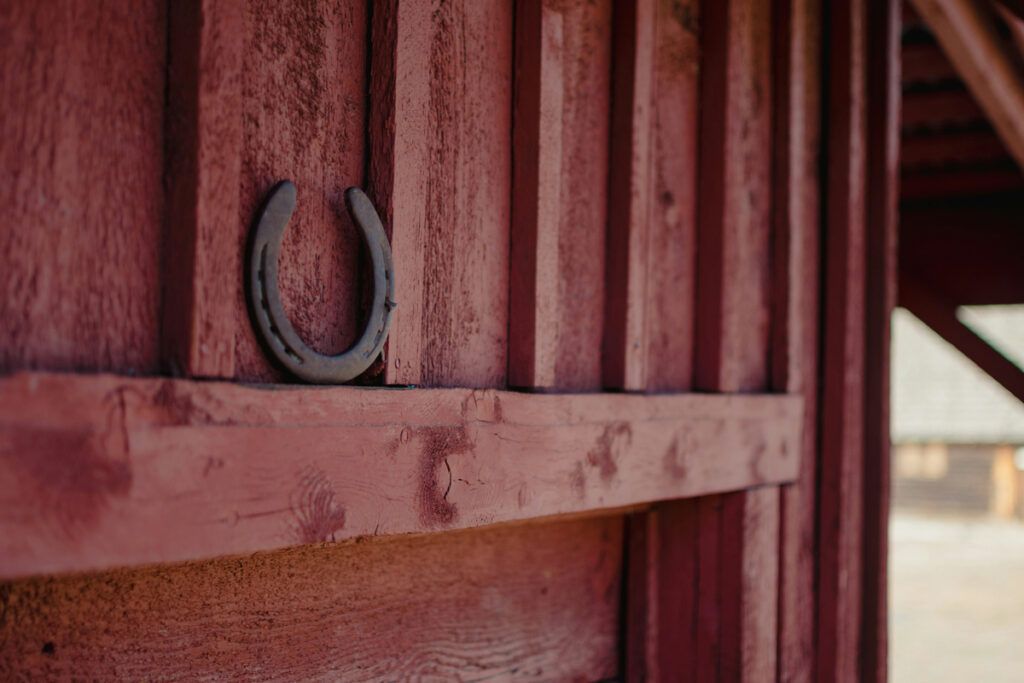
Horseshoes are considered lucky for two main reasons: what they’re made of and how they’re shaped. Horseshoes are made of iron, which in early Western Europe was believed to ward off evil spirits and fairies. Their U-shape, meanwhile, is reminiscent of a crescent moon, which is associated with fertility and prosperity.
Horseshoes are often hung over doorways to protect the people inside, though there’s disagreement over which way to hang them: with the open end hanging upward, retaining the good luck inside the “U,” or downward, sprinkling the luck onto those who pass beneath it.
Seven
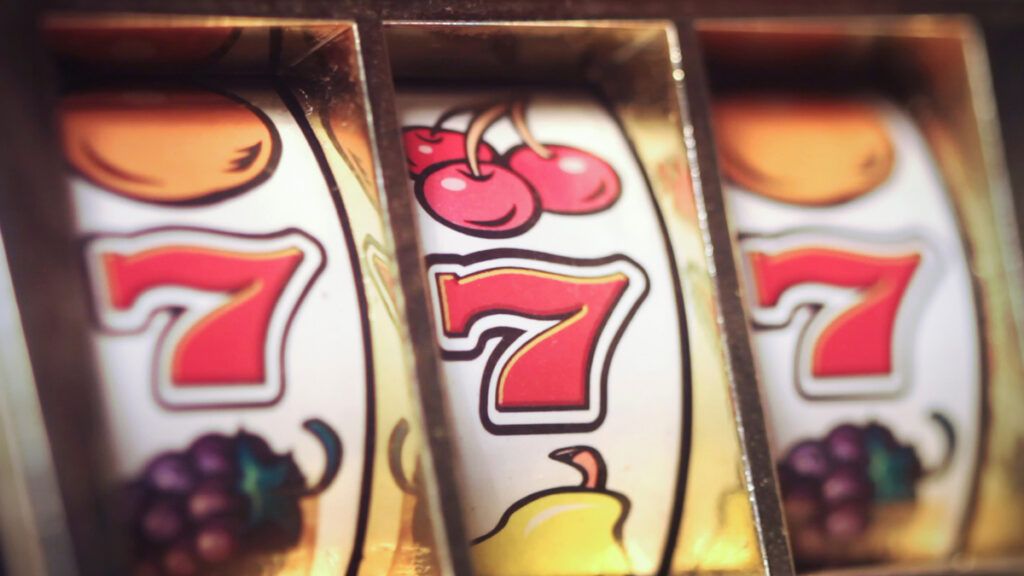
Seven is the world’s favorite number for reasons both natural and superstitious. Mathematically, it’s the only number between 1 and 10 that is neither a factor nor a multiple of the others, giving it a unique place among the fundamental digits.
Seven also holds deep significance across several religions. According to tradition, the baby Buddha took seven steps immediately after being born; Hindu cosmology divides the universe into seven higher worlds and seven underworlds; and in the Bible, God created the world in seven days (counting a well-earned rest).
Perhaps not coincidentally, seven appears throughout many cultures: There are seven days in a week, seven classical planets, seven heavens, seven deadly sins, seven continents, seven seas, seven colors in the rainbow, and even seven dwarfs.
Four-Leaf Clover
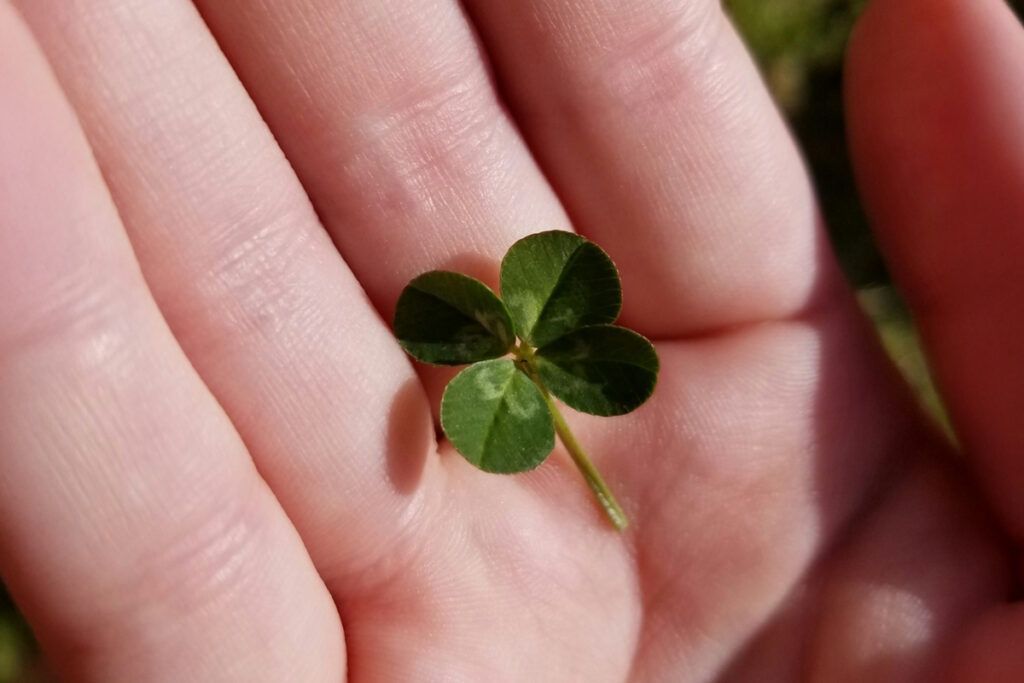
Four-leaf clovers are rare — extremely rare. It’s estimated that one in every 5,000 to 10,000 stems of the Trifolium (the clover genus) has four leaves rather than three, with a combination of environmental factors and genetics responsible for the anomaly. This rarity has long made them a symbol of luck, and according to Christian folklore, Eve plucked a four-leaf clover from the Garden of Eden as a memento of her time in paradise.
Ironically, the shamrock, which is similar to but not the same as a four-leaf clover, is considered a lucky charm in Celtic and Irish culture specifically because it has just three leaves. Ancient Celts considered three to be a mystical number, and St. Patrick even used the shamrock as a symbol of the Holy Trinity, showing that three equal leaves could share a single stem.
Maneki-neko
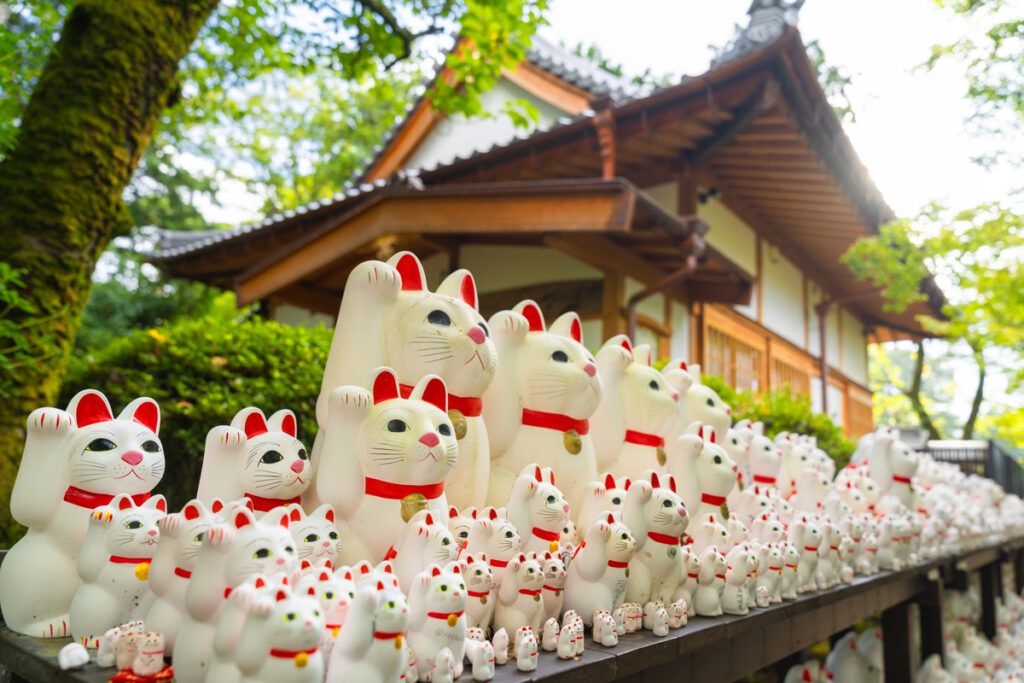
The Maneki-neko, or “beckoning cat,” is a common feline figurine that is believed to have originated in Japan during the Edo period (1603-1868). Several similar stories explain how it came to be considered lucky. The most commonly accepted involves Gotokuji Temple, where Ii Naotaka, the lord of the Hikone domain, was beckoned by a cat at the gate.
As soon as he entered Gotokuji, a thunderstorm began. Out of gratitude for being spared from the rain, as well as the enjoyable conversation with the temple master that followed, Naotaka helped rebuild the temple, which is covered in maneki-neko to this day.
Finding a Penny Heads-Up

A penny won’t buy you much these days, but you can’t put a price on good luck. The humble 1-cent piece has long been considered lucky, as anyone who remembers a certain rhyme can attest: “Find a penny, pick it up / All day long, you’ll have good luck.”
For some, pennies are especially lucky when found heads-up because the two sides of the coin represent good and evil. If finding it on one side is good luck, then conversely the other must bring bad luck. If you do come across a penny that is tails-up, one piece of advice is to flip it over rather than pick it up — that way whoever finds it next gets good luck, and you avoid bad luck by taking the coin as you found it.
A heads-up penny is also associated with prosperity, which makes sense — it is legal tender, after all.
A Ladybug Landing on You
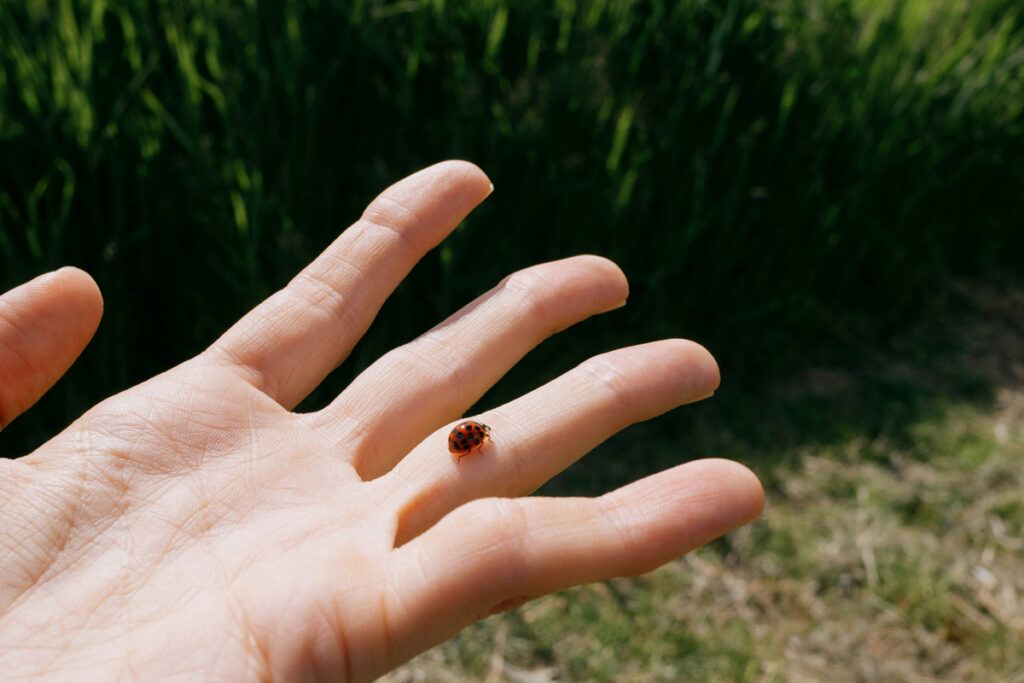
Being a farmer in medieval Europe wasn’t easy, especially when crop-destroying pests were about. Many would pray to the Virgin Mary for help. When the red beetles now known as ladybugs arrived and ate unwanted bugs, helping preserve crops in the process, the farmers thanked “Our Lady” for her help.
Subsequently, they named the beneficial bugs “Beetles of Our Lady” in her honor. Ladybugs have been considered talismans of good luck ever since, doubly so when they land on you — as if you’ve been chosen by one specifically to receive good fortune.
A Bird Pooping on You

Though not quite as pleasant as a ladybug landing in your hair, being pooped on by a bird is also considered good luck. Many believe that the rarity (hopefully) of this happening to you makes the event lucky, though it’s perhaps intended to put a positive spin on something usually considered unpleasant.
Though no one’s entirely sure where the belief originates, some point to Russia, while others suggest Italy and Turkey, where tradition dictates that you should buy a lottery ticket immediately after it happens to capitalize on your good fortune. In Hinduism, it’s even considered a blessing from, quite literally, above.