CULTURE
Why Do Your Eyes Look Red in Photos?


You take what you think is a great photo, only to see you’ve got the red, glowing eyes of a demon. While increasingly less common in the age of smartphones, the notorious red pupil likely appears multiple times in your scrapbook.
The good news is that it’s not a sign of demonic possession. It’s also not a trick of the camera — that red color in your eyes is very real and not a photographic mistake. The camera is just seeing something we don’t normally perceive with the naked eye.
That’s right — your eyes occasionally appear red in photographs because they are red (even if your driver’s license says they’re blue). Fortunately, there are some easy things you can do to either prevent or fix it.
Seeing Red
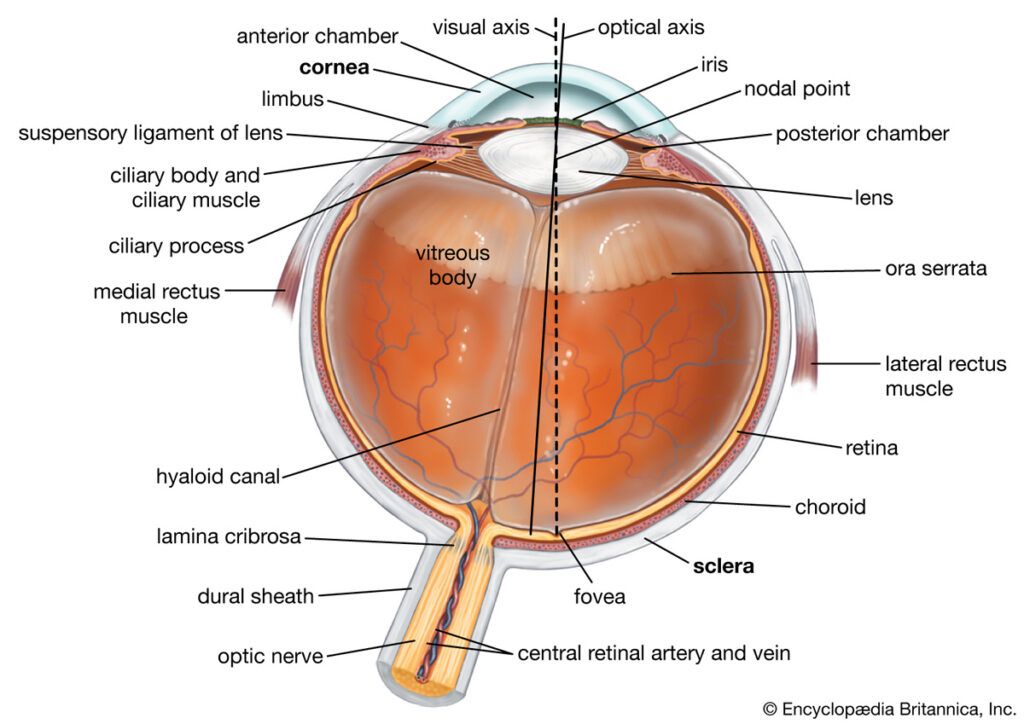
When you look into someone’s pupil, you’re not looking at a black dot. It’s an actual hole leading to the interior of the eye, allowing light to reach your retina. The retina, located at the back of the eye, contains about 100 million cells that detect light and convert it into electrical signals (via the optic nerve) that your brain can interpret as images.
The pupil, much like a camera lens, opens and closes to allow in more or less light as needed. In a bright room, the pupil contracts to prevent too much light from entering your eye. Enter a dimly lit room, and the pupil dilates to take in as much light as possible.
So if the pupil is a hole, why do you only see black instead of seeing what the inside of your eye looks like? You can thank the choroid for that. This thin, middle layer of the eye contains melanin, a dark pigment that absorbs light to protect the eye from becoming overwhelmed with light. Since it keeps the inside of your eye dark, the pupil looks black, similar to the opening of a dark cave.
In addition to melanin, the choroid is made up of several layers of blood vessels, which supply the retina and optic nerve with the oxygen and nutrients they need to function properly. These blood vessels make the choroid red in color.
In normal light, you won’t see much of its red color — remember, your eye’s interior is designed to stay dark. However, a red hue will be visible in bright enough light — such as the flash from a camera.
A camera flash creates a sudden burst of bright light, flooding the eyes of the photo’s subjects with light before their pupils have time to contract and block most of it. That intense light reflects off the choroid, appearing as a red glow in the resulting picture. In that sense, the red-eye effect isn’t a mistake — you’re just seeing your blood vessels in action.
Ironically, they’re the blood vessels that allow you to see anything in the first place!
How to Prevent the Red-Eye Effect

You may have noticed that red eyes are more prominent in older photographs or those taken by disposable cameras, but not so much when you take selfies or group photos on your phone. That’s because today’s phones generally have better light sensors and auto-editing software that prevent or fix red eyes before you even see them.
Some cameras also flash twice or more before taking a photo — the earlier flashes trigger your pupils to contract before the actual snapshot, giving your eyes time to adjust. Less light coming in means less light reflecting back off the red choroid.
If you’re using an older camera or are worried about the red-eye effect, you can also prevent it by increasing the brightness of a room before taking a photo. This also allows your eyes to adjust. You can also instruct subjects to look slightly away from the camera’s lens — that way the choroid doesn’t reflect straight back into the camera lens. If a red eye does occur, photo-editing software often contains options to remove it.
So don’t fret if you look a little creepy in your next group photo. It’s totally normal and easy enough to fix. Perhaps best of all, there’s nothing wrong with your camera.
Red eyes in photographs are caused by the bright camera flash lighting up the choroid in the rear of your eye interior before your pupil has time to adjust and contract. The choroid is a network of blood vessels that supplies the retina and optic nerve with oxygen and nutrients — these blood vessels make it appear red in bright light.
Short Answer