HEALTH
Surprising Ways Your Blood Type Can Affect Your Health
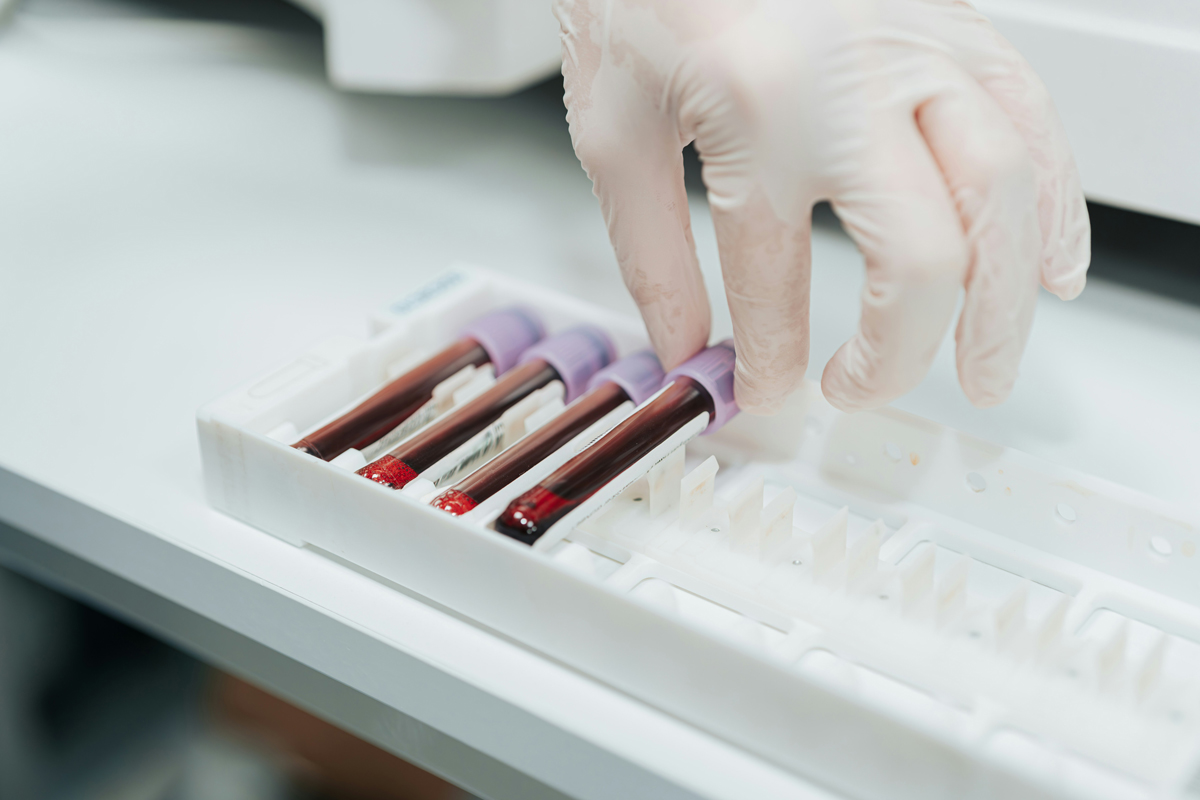

Anyone who’s watched a TV medical drama can tell you that blood type matters when it comes to getting a blood transfusion. And yet more Americans know their zodiac sign or credit score than their own blood type, despite the latter having a consequential impact on your health — one that goes far beyond your veins.
Scientists have been studying the connection between blood type and disease for more than a century, and they’ve discovered fascinating associations with heart disease, certain cancers, cognitive issues, kidney stones, infectious diseases, and much more. It’s remarkable to think that the letters on your blood donor card could be quietly influencing your body in ways you never expected.
Blood Types, Explained
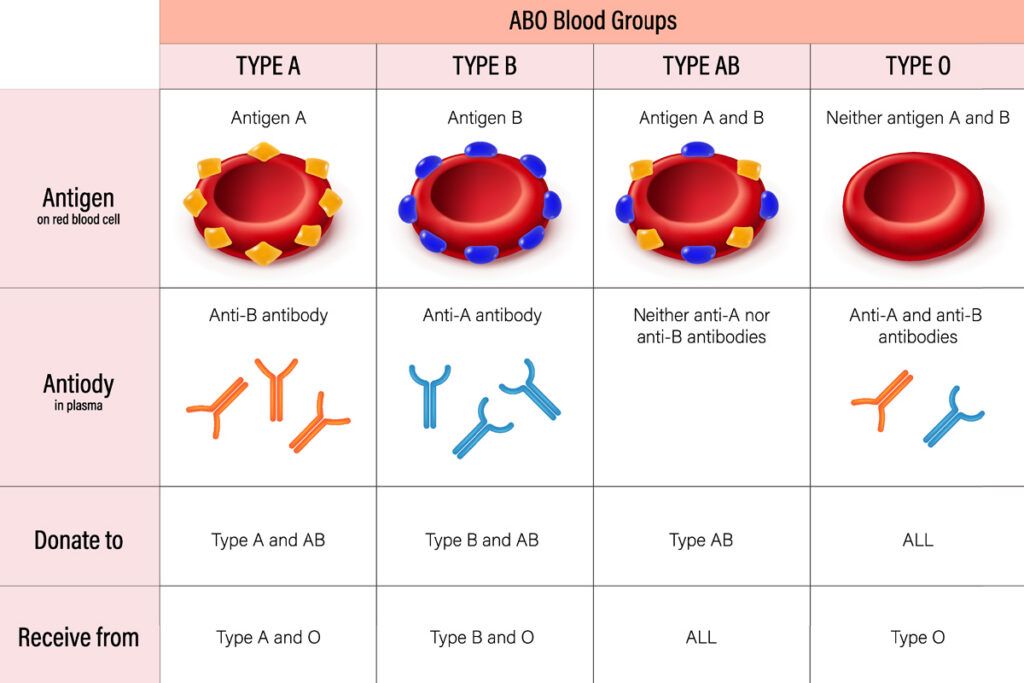
Human blood is categorized into four main groups: A, B, AB, and O. These groups are based on whether certain molecules called antigens are present on the surface of red blood cells. People with type A blood have A antigens, people with type B have B antigens, people with AB have both, and people with O have neither.
Blood is also labeled positive or negative depending on whether it contains a protein called the Rh factor. That’s why there are a total of eight common blood types, including A+, A-, B+, B-, and so on. (There are also other, rarer types — only about 50 known people in the world have the Rh null blood type, for example.)
These antigens are important to know because our immune systems are sensitive to them. If someone receives incompatible blood in a transfusion, their immune system may identify those antigens as foreign and attack the donated cells. This can result in fever, low blood pressure, kidney failure, and even death.
These blood-group molecules don’t just exist in blood. Researchers have found them in tissues throughout the body, including the digestive tract. Their widespread presence may help explain why blood type appears connected to certain diseases and other health issues.
Why Some Blood Types Clot More Easily
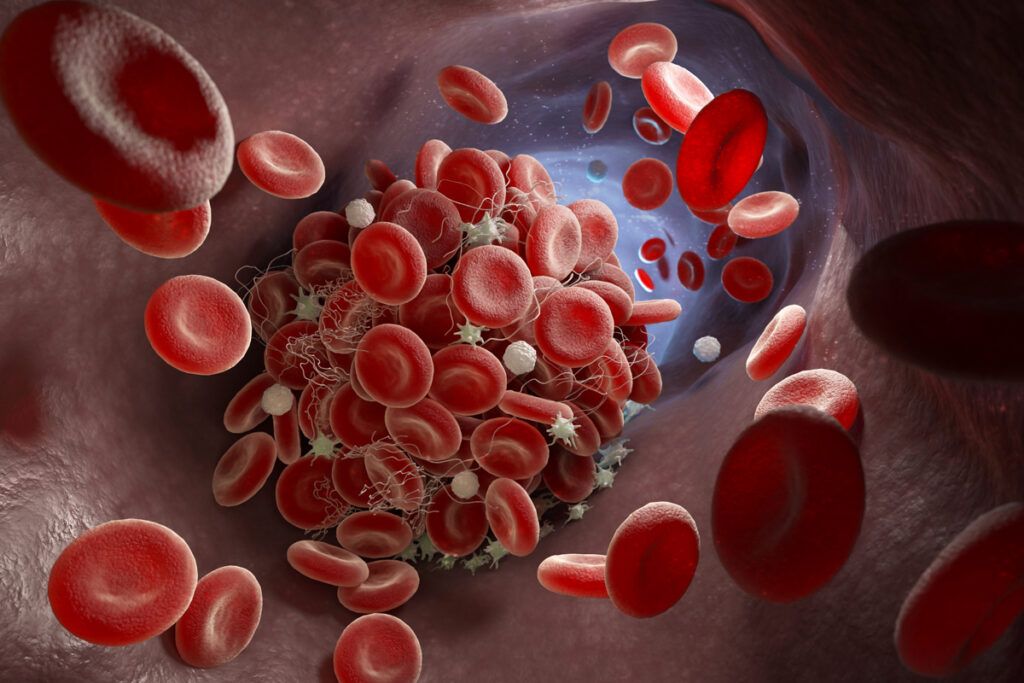
One of the most consistent findings on the link between blood types and health involves clotting. Research has repeatedly shown that people with blood types A, B, and AB have a higher risk of developing dangerous blood clots than people with type O blood. One large study published in 2020 found that people with type A or B blood were significantly more likely to develop deep vein thrombosis — a clot usually found in the legs — as well as pulmonary embolism, which occurs when a clot travels to the lungs.
Scientists think a clot-promoting protein called von Willebrand factor may help explain the connection. Higher levels of the protein may make clotting more likely, and folks with type O blood typically have less of it.
These same clotting mechanisms may also help explain why non-O blood types have been associated with higher risks of heart attack, coronary artery disease, and stroke. Some studies suggest that people with AB blood — those with both primary blood antigens — may face the highest cardiovascular risks of all the blood groups, though researchers are still investigating why.
That’s not to say having an O blood type is always preferable, though. One large Swedish study found that people with O blood types had a higher risk of pregnancy-induced hypertension (high blood pressure) and certain bleeding disorders.
What Blood Type May Reveal About Cancer Risk
Blood type has also been linked to certain cancers, particularly stomach and pancreatic cancer. Multiple studies have found that people with type A blood appear to have a higher risk of stomach cancer than people with type O blood.
Studies have also suggested that people with blood types A, B, and AB may be more prone to contracting pancreatic cancer compared with type O individuals. In people with type A, B, or AB blood, the ABO gene (which determines your blood type) may also increase the risk of lung, breast, cervical, and colorectal cancer.
Researchers still don’t understand the mechanisms behind these associations, although an interaction with the bacterium that causes ulcers — H. pylori — may be to blame for the heightened risk of stomach cancer.
Your Gut and Your Blood Type
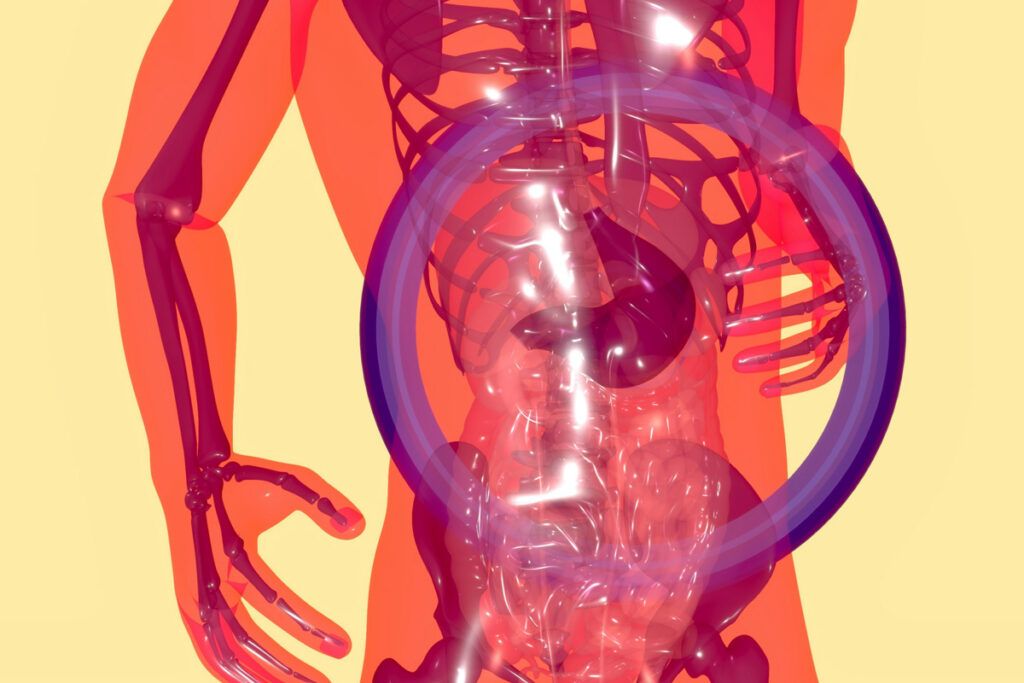
Curiously, type O blood — often associated with lower cardiovascular risk — has been connected to higher rates of peptic ulcers. Researchers have long observed that people with type O blood appear more susceptible to these painful sores, which form in the stomach or upper small intestine.
Some scientists believe this may relate to how the bodies of people with type O blood handle infections of H. pylori. One meta-analysis — a study of studies — found that people with type O blood were the most likely to be infected with H. pylori. Certain blood types have also been linked with gallstones and other digestive conditions, though the evidence is less consistent.
Blood Types May Handle Infections Differently
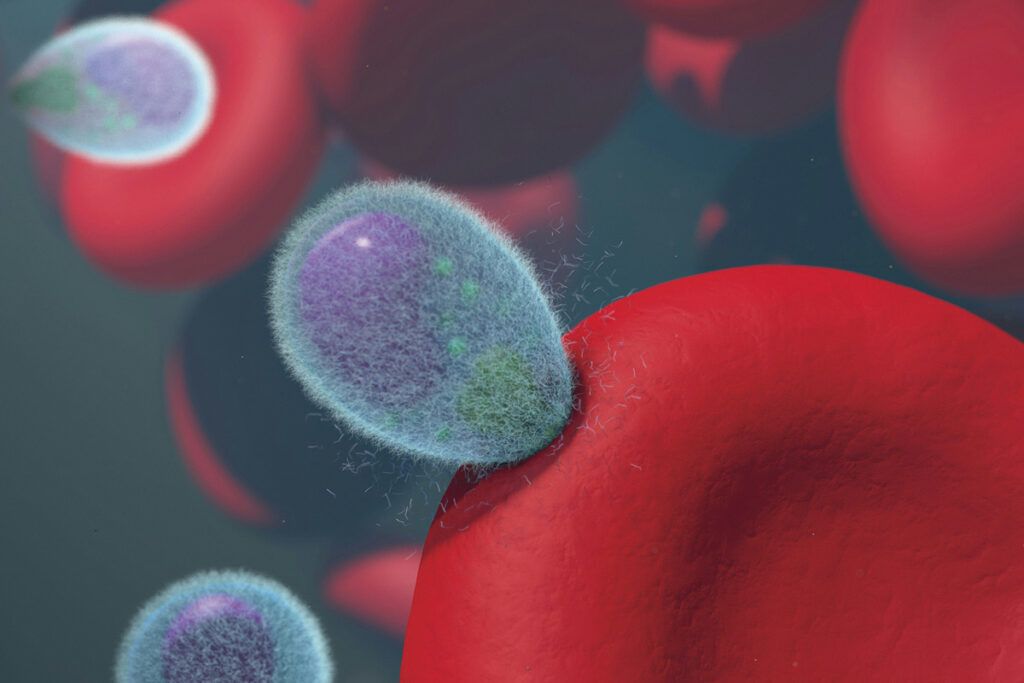
Blood type may also influence our vulnerability to infections. For example, some evidence suggests type O blood may provide protection against severe malaria. One study among children in Mali found type O blood was associated with a 66% reduction in the odds of developing severe malaria compared with non-O blood. In this case, scientists think they may have found the mechanism: A protein secreted by the malaria parasite seems to have a harder time sticking to type O blood cells.
Meanwhile, other blood types may affect susceptibility to illnesses such as cholera, norovirus, and certain bacterial infections. Interestingly, researchers have found that certain blood groups are more common in regions where specific diseases are more common. Scientists believe these patterns may have evolved over thousands of years as infectious diseases shaped human populations. In other words, blood-group diversity may partly reflect humanity’s long evolutionary battle with pathogens.
A Possible Link to Brain Health

A smaller but intriguing body of research suggests blood type could even influence brain health. Some studies have found that people with AB blood may have a higher likelihood of cognitive impairment later in life. Researchers have speculated that clotting factors and cardiovascular health could partly explain the connection, since blood flow problems can affect the brain over time.
Blood Type and Kidney Stones
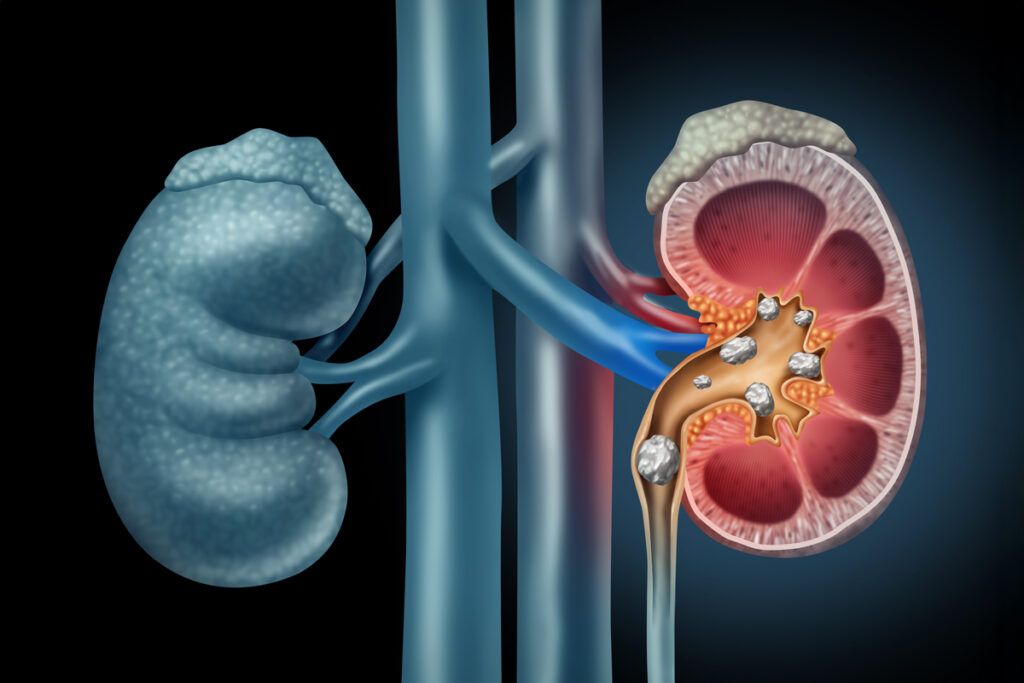
One of the more unexpected discoveries involves kidney stones. The large Swedish study examining health data from more than 5 million people found that type B appeared to have a lower risk of developing kidney stones compared with people who had type O. Researchers described this as a newly identified association and noted that the underlying mechanism remains unclear. It’s a good example of how scientists are still uncovering unexpected ways blood type may intersect with health.
Blood Type Is Only Part of the Story
Despite all these associations, scientists still have many unanswered questions. Researchers are still trying to determine exactly how blood-group molecules affect inflammation, clotting, bacteria, immune activity, and other biological systems. Some findings have also been inconsistent across studies and populations.
It’s important to note that your blood type doesn’t determine your destiny. Experts say blood type should be viewed as one small piece of a much larger health puzzle, and that lifestyle factors — such as diet, exercise, sleep, and smoking habits — likely have a much greater impact on overall health than whether you’re type A, B, AB, or O. For most of us, the basics of taking care of yourself still matter most.