HEALTH
The 8 Weakest Bones in Your Body
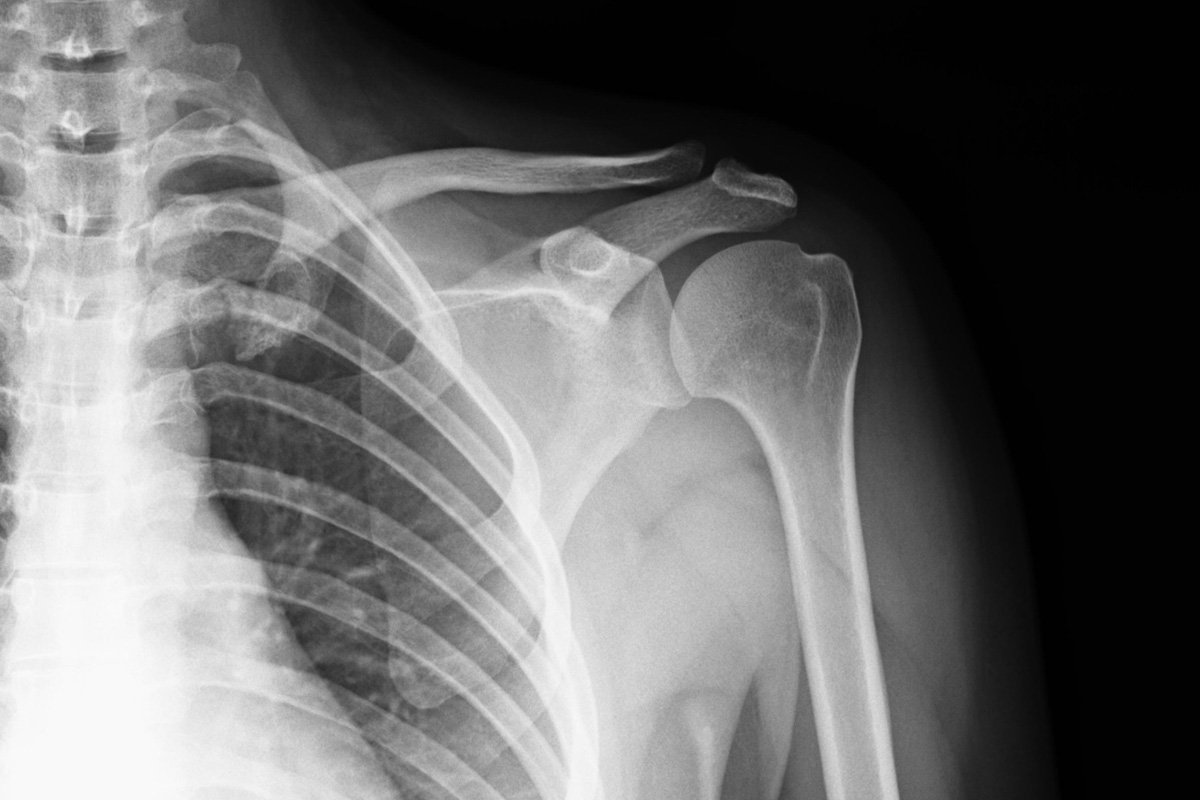

You have 206 bones in your body and not all of them are created equal. Some, like your femur, are dense and strong enough to support several times your body weight. Others are thin, precariously shaped in a way that makes them less structurally sound, or simply stuck in more exposed areas where they’re bound to take a hit.
Bones like these are the ones that are more likely to end up in a cast (or sling, or boot) than the others. Here are the most delicate parts of your skeleton — and what makes them that way.
Collarbone
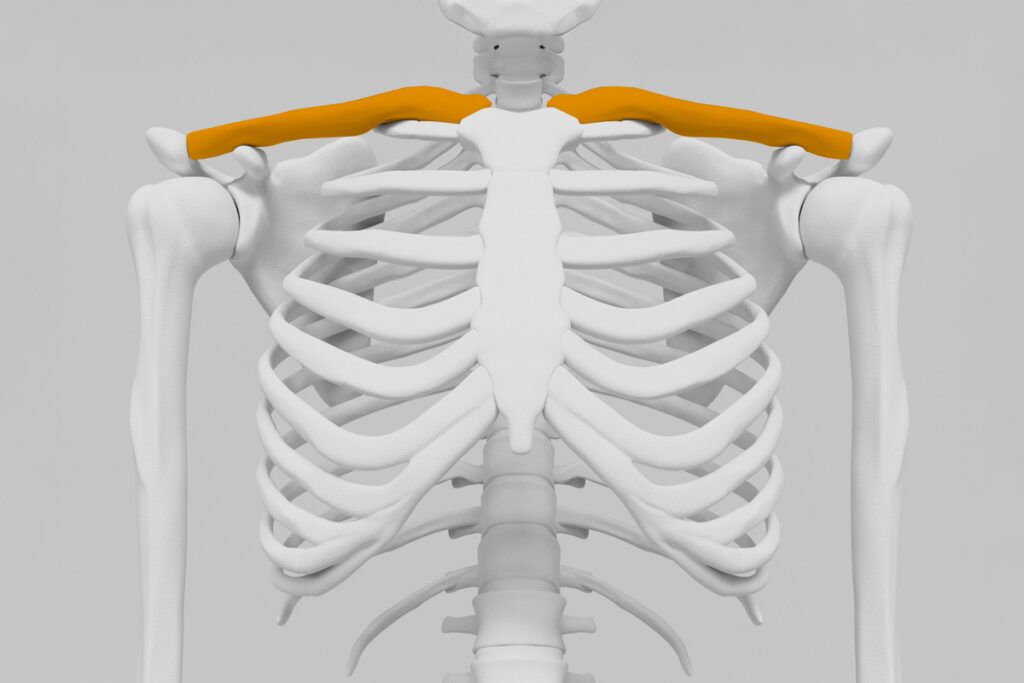
Formally known as the clavicle, this is one of the most commonly broken bones in the human body in both children and adults. It’s long and thin (two dings against it) and sits right under the skin with little muscle to cushion it (another ding).
It also acts as a strut between your sternum and shoulder — so a fall onto your shoulder or an outstretched arm sends the force straight into your clavicle. That’s unfortunate, since many of us instinctively reach out as we fall or try to cushion the landing with our shoulders. Most clavicle breaks happen in the narrow, middle-third of the bone.
Scaphoid
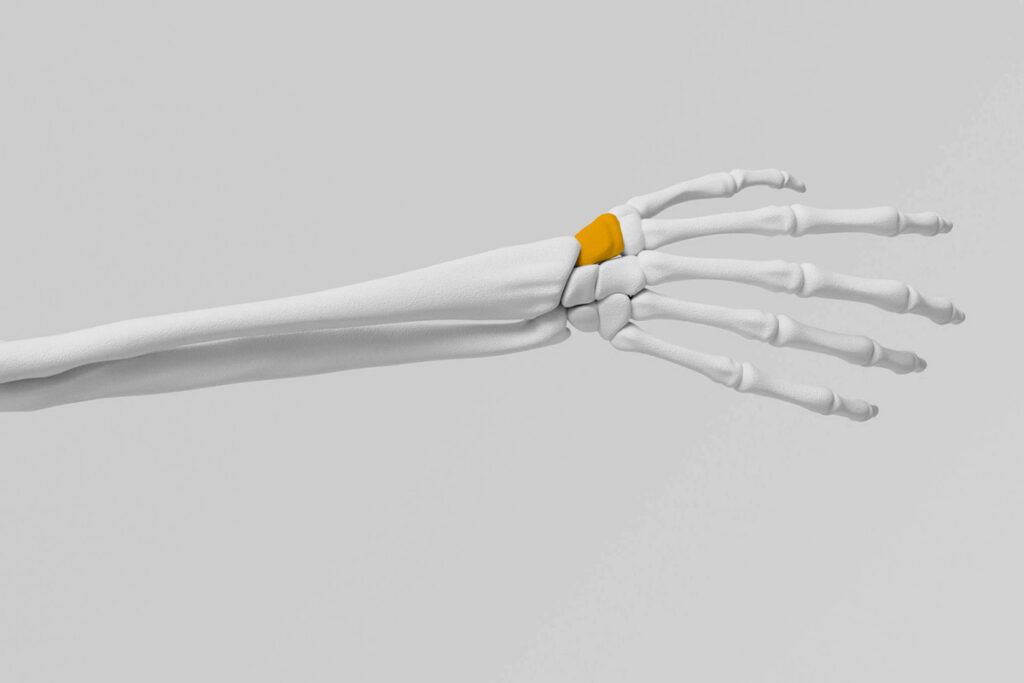
Of the eight tiny bones in your wrist, the scaphoid is most likely to break. This small, boat-shaped bone is located near the base of your thumb and is one of the first to absorb the hit of using your hand to catch yourself in a fall.
Many fractures in this bone go unnoticed, which is what makes damaging the scaphoid so problematic: Because the scaphoid is surrounded by a lot of cartilage, blood can only enter the bone from one end. A fracture can cut off circulation to the rest of the bone, leading to avascular necrosis or a fracture that never fully heals.
Fibula
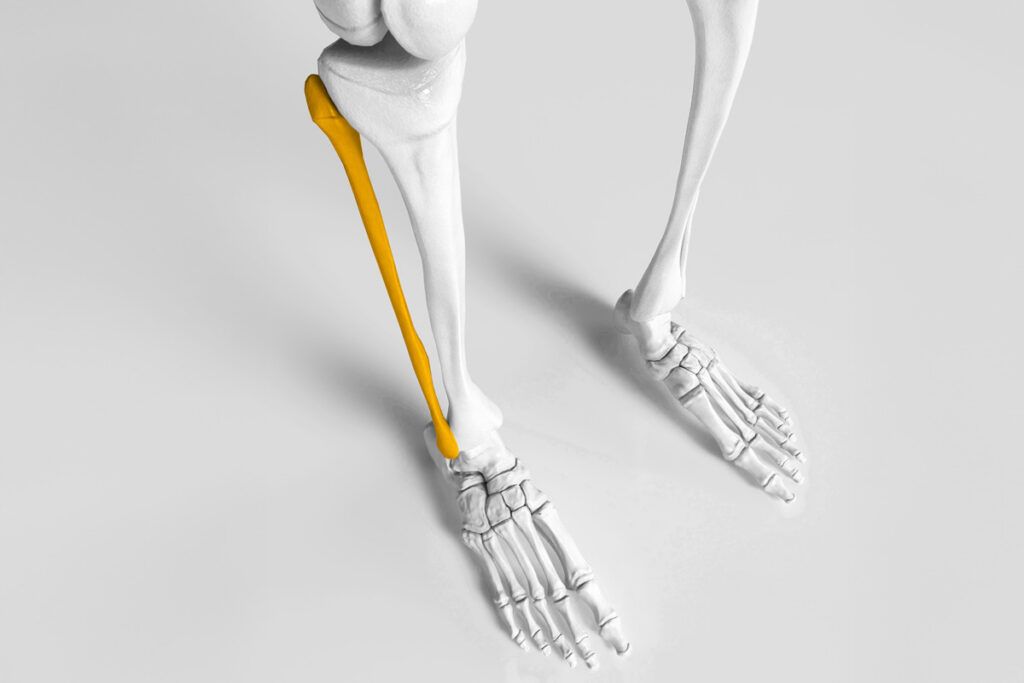
There are two bones in your lower leg: The tibia, which is one of the strongest bones in your body, and the fibula, which is much, much thinner and carries just 5%–10% of your body weight. There’s a reason our legs evolved not to share the load fifty-fifty, though.
While weaker, the fibula is there to stabilize the ankle against twisting outward — it’s the part that gives when you roll an ankle or land wrong in sports. These common injuries often show up as a stress fracture (especially in runners). In a worst-case scenario, they can suddenly snap and break.
Fingers and Toes
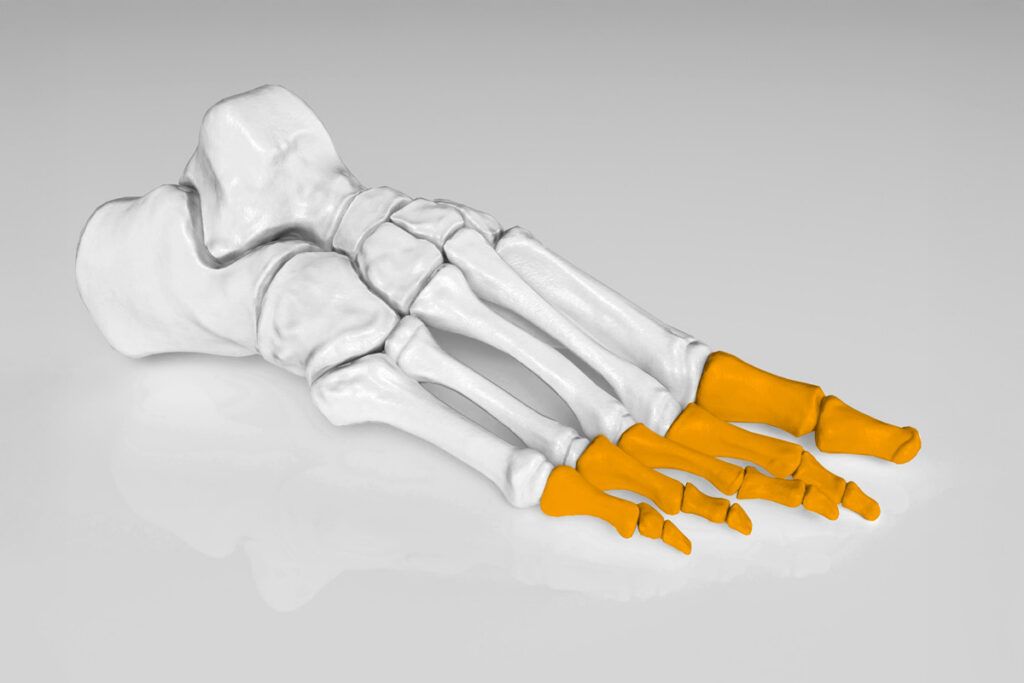
The small bones in your fingers and toes are called phalanges. They’re among the most frequently broken bones in the body, mostly because they’re small, thin, and constantly exposed. Phalangeal fractures are incredibly common and can happen very easily — slamming your fingers in a car door, stubbing your toe, jamming a finger while catching a baseball, catching your hand on a fall… and many, many other ways.
Nose
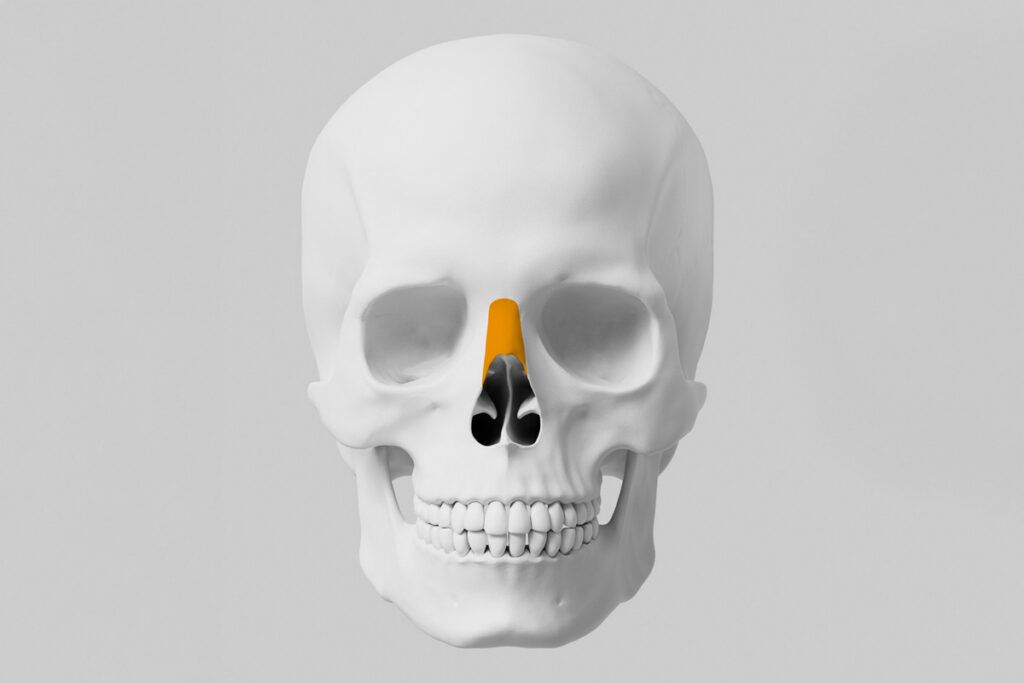
When it comes to faces, nasal bones are the most commonly injured. And the reason is simple: Your nose sticks out further than anything else on your face, making it the first to make contact with a projectile or during a fall. Unlike the jaw or cheekbones, the bones in your nose are thin and largely unprotected, so it doesn’t take much of a hit for them to crack. Fortunately, a nasal fracture can heal within two months, which helps explain why boxers can have rematches.
Lower Ribs
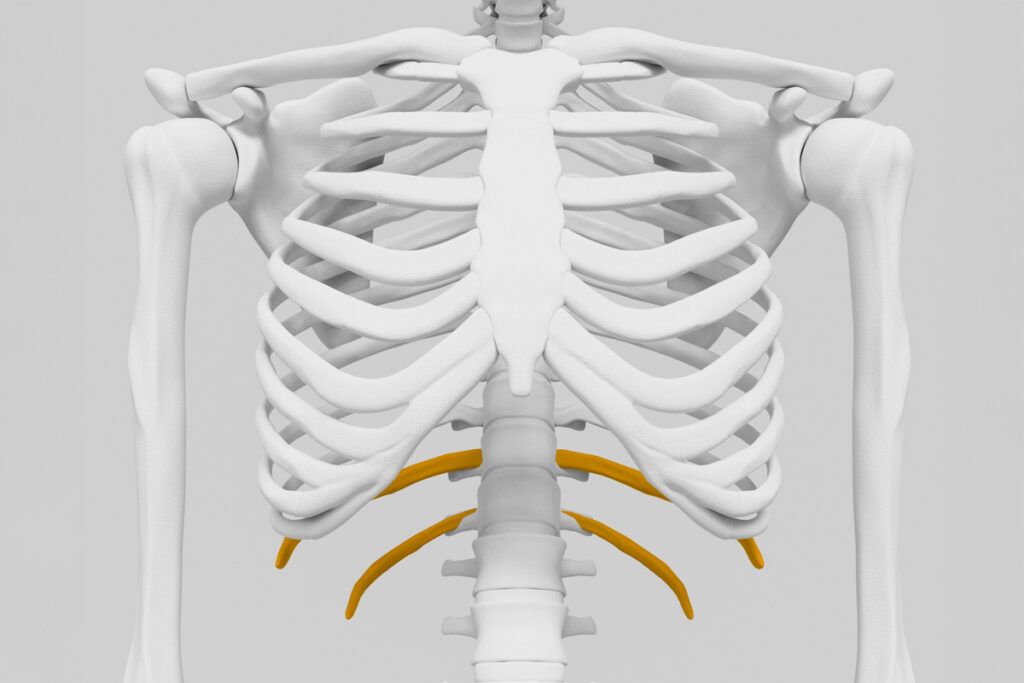
Rib bones are very sturdy in general, which is good for us since they protect our most vital organs. Breaking one requires real force, such as a direct hit in a contact sport or a car accident. But it’s different with your floating ribs, which is what your bottom two pairs of ribs are called. Because they’re not attached to the sternum, meaning they have less support.
This is partly why a bad coughing fit alone can lead to a cracked rib. Thankfully, most of the time, ribs crack, not shatter, which is less serious considering that shattered bones can damage blood vessels and the organs they’re meant to protect (like your lungs).
Hip
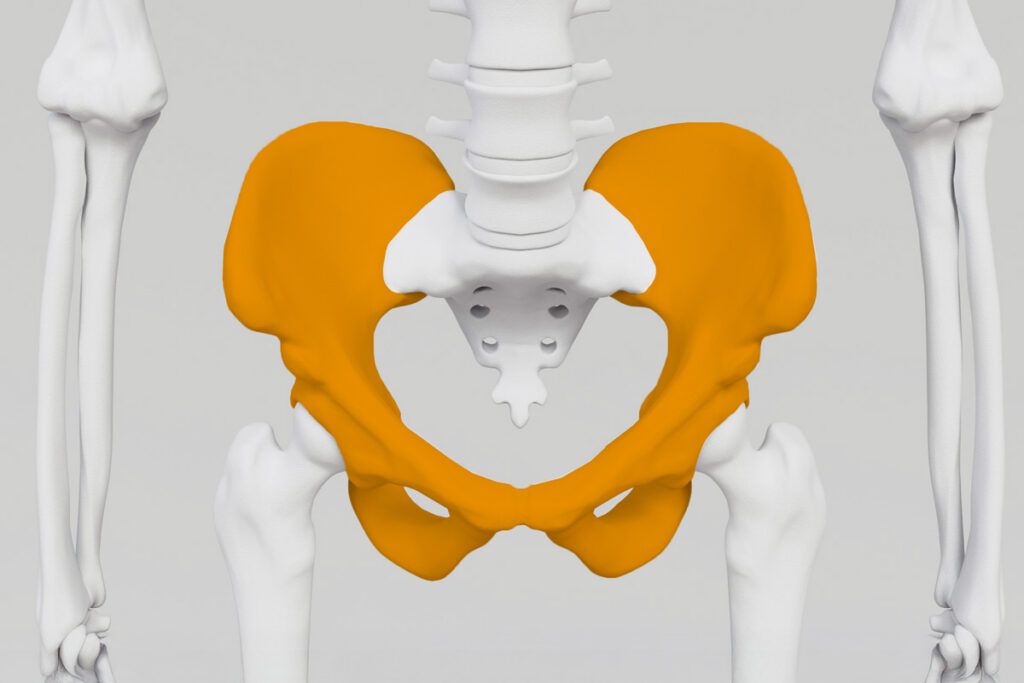
The femur is your densest bone, but as we age, bone density drops and the risk of fracturing your upper femur increases, particularly the femoral neck area, just below your hip joint. In fact, hip fractures are the most common serious fracture in adults over 65. That’s why as we age, the advice to “look before you leap” becomes “look before you step.”
Stapes (In Your Inner Ear)
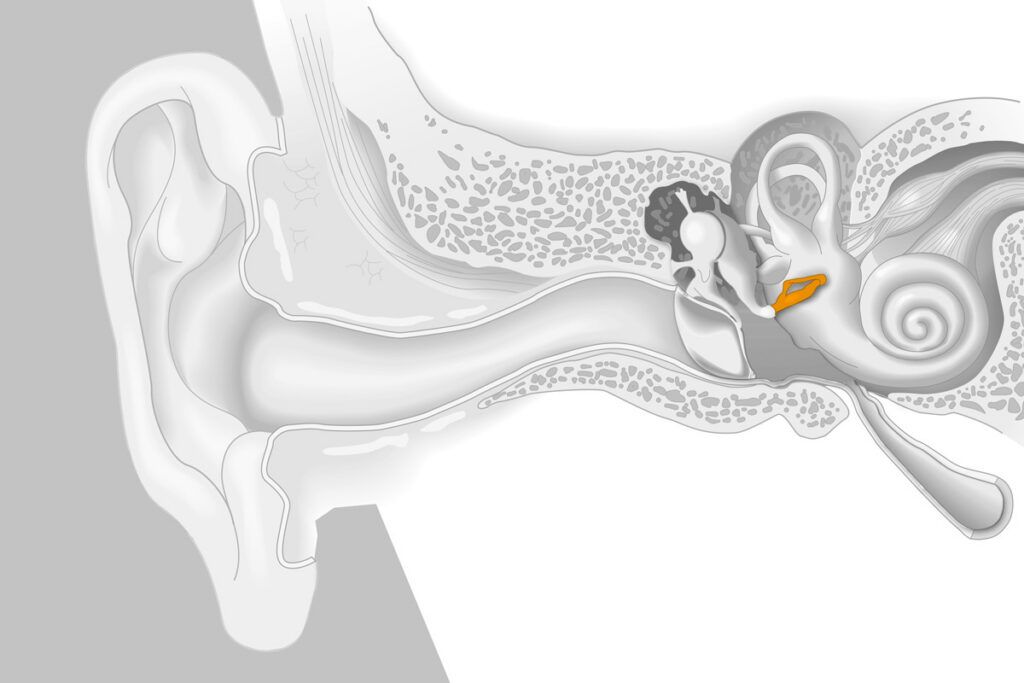
The stapes, also known as the stirrup due to its shape, is the smallest bone in the human body. At just a few millimeters long, it sits deep in the middle ear, where it relays vibrations from your eardrum to your inner ear to help you hear. It’s tucked safely inside the skull, so it almost never breaks on its own, but its size leaves very little room for error — even minor damage from head trauma, infection, or ear surgery can affect hearing.
Your stapes doesn’t need to fracture to cause problems, as otosclerosis, a common form of hearing impairment, can occur when the stapes becomes locked in place and unable to vibrate.
That’s why, as with our other most vulnerable bones, it’s so important to protect.