CULTURE
How Is Your Credit Score Calculated?


Whether you’re applying for a mortgage, a car loan, or a new credit card, one three-digit number is imperative to the process: your credit score. This rating signals to lenders how likely you are to repay borrowed money on time based on patterns in your credit history.
How it’s calculated isn’t a secret, either. Your credit rating doesn’t reflect your income, and even fiscally responsible people can find themselves with poor scores. It’s based on a formula of five factors — including some habits you can control.
Keeping Score
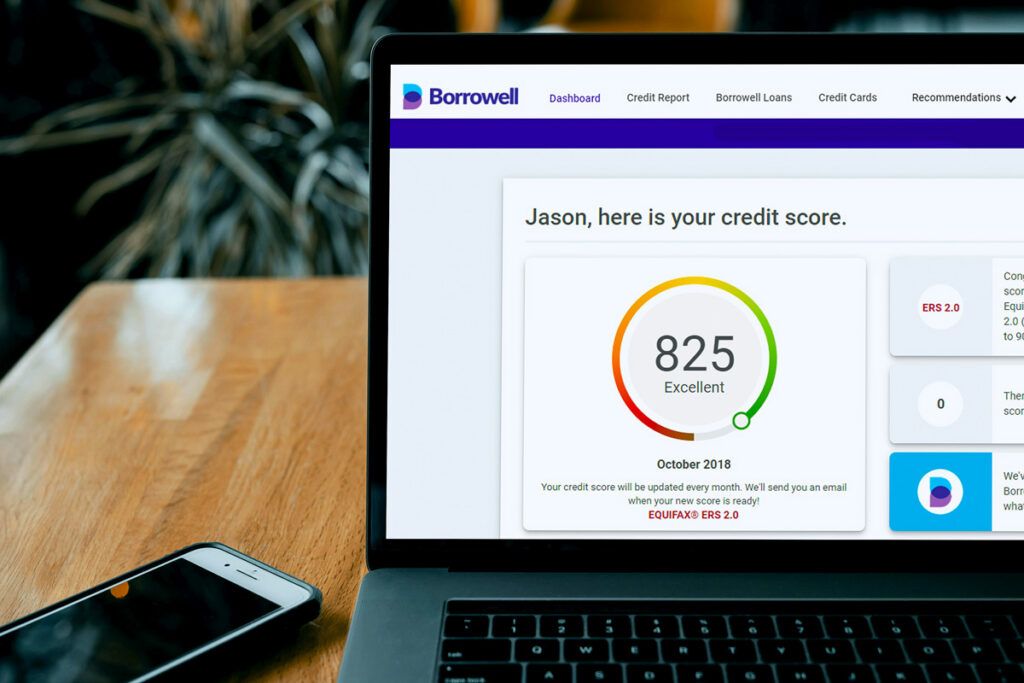
The higher your credit score, the less risky you appear to lenders, meaning you can expect better terms on loans you take out. Your credit score is calculated by analytics companies, such as FICO, using information in your credit reports. (FICO introduced the modern credit scoring system in 1989).
Those reports are compiled by other companies called credit bureaus, including the three major nationwide ones: Equifax, Experian, and TransUnion. Credit reports include a history of your loans (such as mortgages, student loans, and auto loans), your credit cards, your payment history, and other related information, such as if you’ve ever filed for bankruptcy.
This data is run through a mathematical formula to determine your credit score, which usually lands somewhere between 300 and 850. For a FICO-formulated score, which is used by many lenders, anything above 799 is considered exceptional, while 740-799 is considered very good and 670-739 is considered good. Fair scores range between 580 and 669 and anything between 300 and 579 is considered a poor credit score.
FICO’s scoring model considers five factors that are weighed differently: payment history (35%), amounts owed (30%), length of credit history (15%), credit mix (10%), and new credit (10%).
Payment history is affected positively by making payments on time and negatively by being late or missing payments altogether. A late payment is typically only reported after 30 days and anything less results in a late fee.
Amounts owed is calculated based on how much you owe versus your total available credit — a $2,000 balance on a card with a $10,000 limit is 20% utilization. Some financial experts suggest keeping credit utilization below 30%, while FICO recommends keeping it below 10%.
A longer credit history, which includes the age of your oldest account, your newest account, and the average age of your accounts, signals lower risk, although you can have a good score without decades of credit history. Credit mix refers to the variety of loans you take out, such as credit cards, car loans, and mortgages.
New credit refers to when you take out a new loan, such as opening a new credit card. Applying for credit triggers a “hard inquiry,” which is when your credit score and history are officially looked into by a company considering giving you a loan. Hard inquiries can affect your score, typically lowering it by fewer than five points and staying on your report for up to two years. Several applications in a short span can be a red flag to lenders.

What isn’t measured in your credit score is just as important. Your income, savings, job title, and age are not factors. Neither are your marital status, race, or where you live. Lenders may consider some of those details separately when making a credit decision — income, for example, can be important when determining whether you can afford a loan — but they aren’t part of the score itself.
This means a high earner can have a mediocre credit score, while someone earning a modest income who consistently manages credit responsibly (for instance, by paying off a credit card balance in full each month) can boast an 800-plus score.
Think of your credit score as a reputation for returning what you borrow. It’s like the friend who borrows a shirt, then returns it washed in a timely manner. The score doesn’t reflect how big your closet is.
Of course, you don’t have one fixed score. Lenders may utilize different scoring companies, so your number can vary slightly. The rating can also go up or down over time based on your credit activity. Checking your own score is considered a “soft inquiry,” meaning it doesn’t lower it, so there’s no reason not to keep tabs on it yourself.
Your credit score is a statistical prediction for lenders, measuring how reliably you’ve handled borrowed money. It’s calculated from your credit reports and primarily assesses five factors: whether you pay on time, how much of your available credit you use, the length of your credit history, how often you apply for new credit, and the types of credit you hold. Your income, savings, or marital status aren’t used to calculate your credit score, though lenders may consider those factors separately when considering whether to loan you money.
Short Answer