NATURE
Do Vegetables Actually Exist?
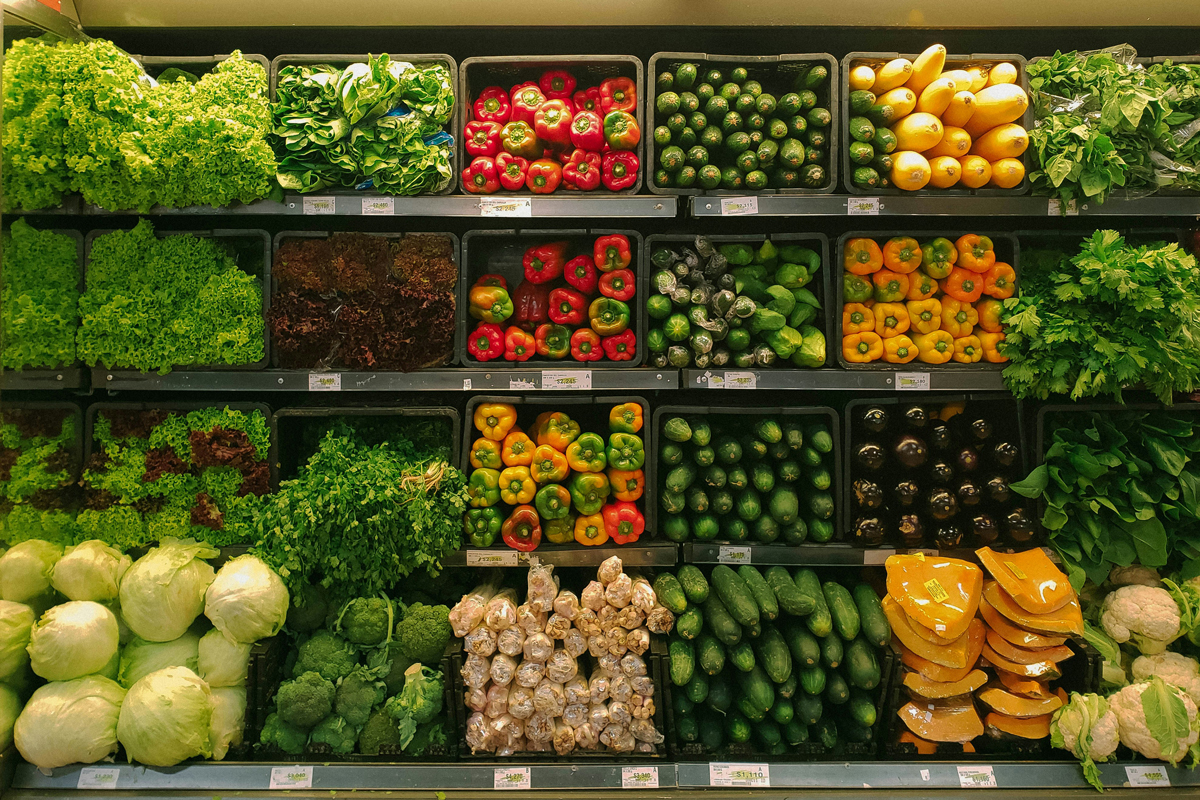

There’s a joke that’s common in horticultural circles. It goes like this: “If a tomato is a fruit, does that make ketchup a smoothie?” It’s often delivered to a chorus of groans, but it brings up some interesting questions. In the produce section, tomatoes are typically found among other vegetables, such as carrots and potatoes, rather than apples and berries.
It’s not just tomatoes that blur the lines. And in fact, there really aren’t any lines. Unlike fruits, which are scientifically defined as the seed-bearing structures produced by a plant, vegetables have no specific scientific classification. It leaves you wondering: If tomatoes are fruits because they have seeds, what about eggplants? What about peppers or green beans?
So what makes a vegetable a vegetable? The question can be answered, but it takes a bit of digging (pun intended).
‘Vegetable’ Covers a Lot of Ground
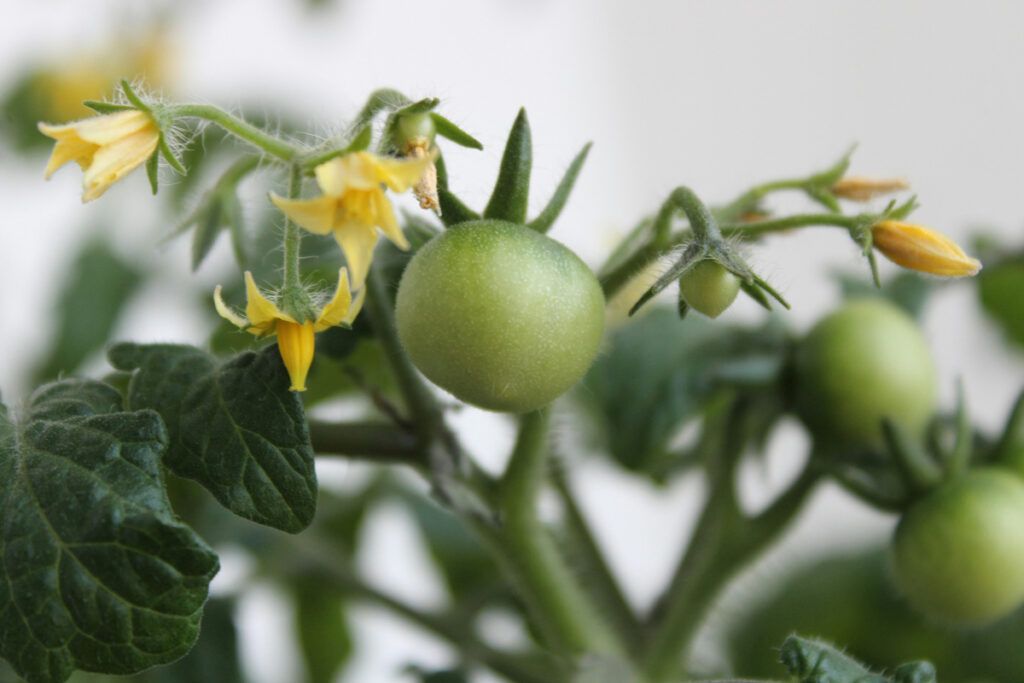
Conventional wisdom is that a vegetable is the edible part of an herbaceous (non-woody) plant. And that definition works fine at the dinner table, but it falls apart the moment you ask a botanist.
Scientifically, a fruit is the part of a plant that develops from the flower’s ovary and carries the seeds. Sweetness, time of day in which it’s consumed, and the kinds of recipes it’s found in have nothing to do with its identity. This is why tomatoes, squash, cucumbers, peppers, and other “vegetables” borne from flowers are technically fruits.
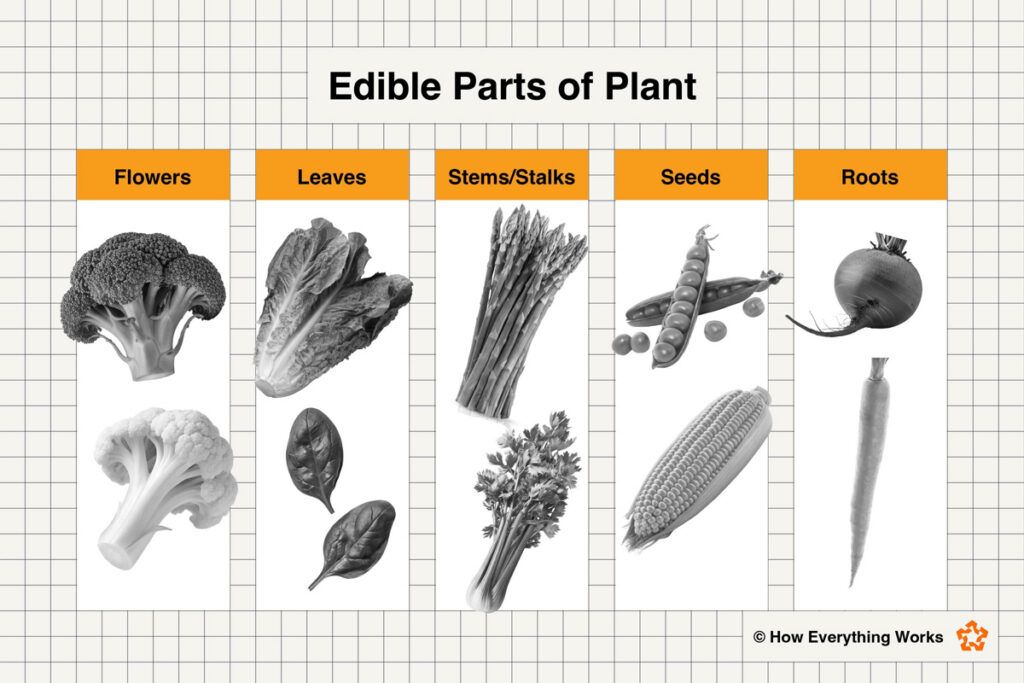
“Vegetable” is really just a culinary catch-all for edible plant parts that aren’t sweet — and those parts come from all over the plant. Carrots and beets are root vegetables. Lettuce and spinach are leafy greens. Celery and asparagus are stems and stalks. Broccoli and cauliflower are immature flower buds that are harvested before they get the chance to bloom.
If that’s not confusing enough, there are also certain plant parts that are considered veggies for one species but something else for another. For example, look at legumes — peas, beans, and peanuts, to name a few — which are the seeds of plants in the Fabaceae (bean) family.
The USDA hedges that sometimes, beans and peas can also be filed as a protein, depending on the plate. Peas are definitely considered a vegetable, but peanuts? Not so much, despite being the same part of a legume. (Note how the idea of what kind of meal the edible plant shows up in affects its “vegetable” status.)
And let’s not forget alliums, which are vegetables that come from plant bulbs. These include onions, leeks, garlic, and chives. But don’t think too hard about that last one, as chives are usually used as an herb and classified as such. (Yet another instance showing that how the edible part of the plant is used determines how it’s categorized.)
So, Does That Ketchup Joke Work?
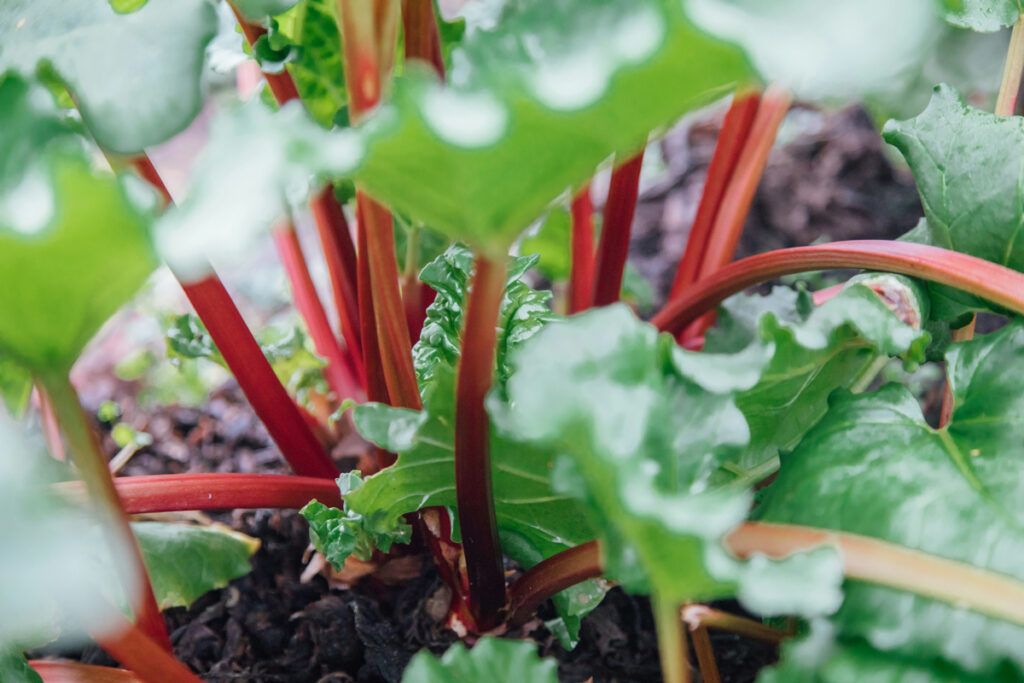
Just as some fruits, such as tomatoes, are commonly described as vegetables, the reverse can also be true. Rhubarb is a leaf stalk, not the fruit of a plant. But, because it’s used mostly in sweet dishes such as pie, most people call it a fruit. Nothing about the plant changed. The plate did.
Back to that groan-inducing joke: Is ketchup a fruit smoothie? Tomatoes are fruit, so the premise holds — but once they’ve been cooked down and cut with vinegar and sugar, “smoothie” is a generous, at best, word for it. And this is the whole point. Botany can tell you what a plant is, but the kitchen holds the power to decide what we call it.
Botanically, “vegetable” isn’t a real category. It’s a culinary label for the edible parts of plants we eat at meals — whether that’s a root (carrots), a leaf (spinach), a stem (celery), or a flower (broccoli). “Fruit,” by contrast, is a true scientific term for the seed-bearing part that grows from a plant’s flower, which is why tomatoes and cucumbers are technically fruits. What makes something a vegetable is mostly how we perceive it and use it in the kitchen, not its biology.
Short Answer