SCIENCE
Why Does Aloe Stop Your Sunburn From Hurting?

You know the feeling. You spent a little too long at the beach, forgot to reapply your sunscreen on a hike, or underestimated just how strong the afternoon sun could be. A few hours later, your skin feels hot enough to toast bread, your shoulders are flamingo-pink, and putting on a T-shirt feels like snuggling against sandpaper.
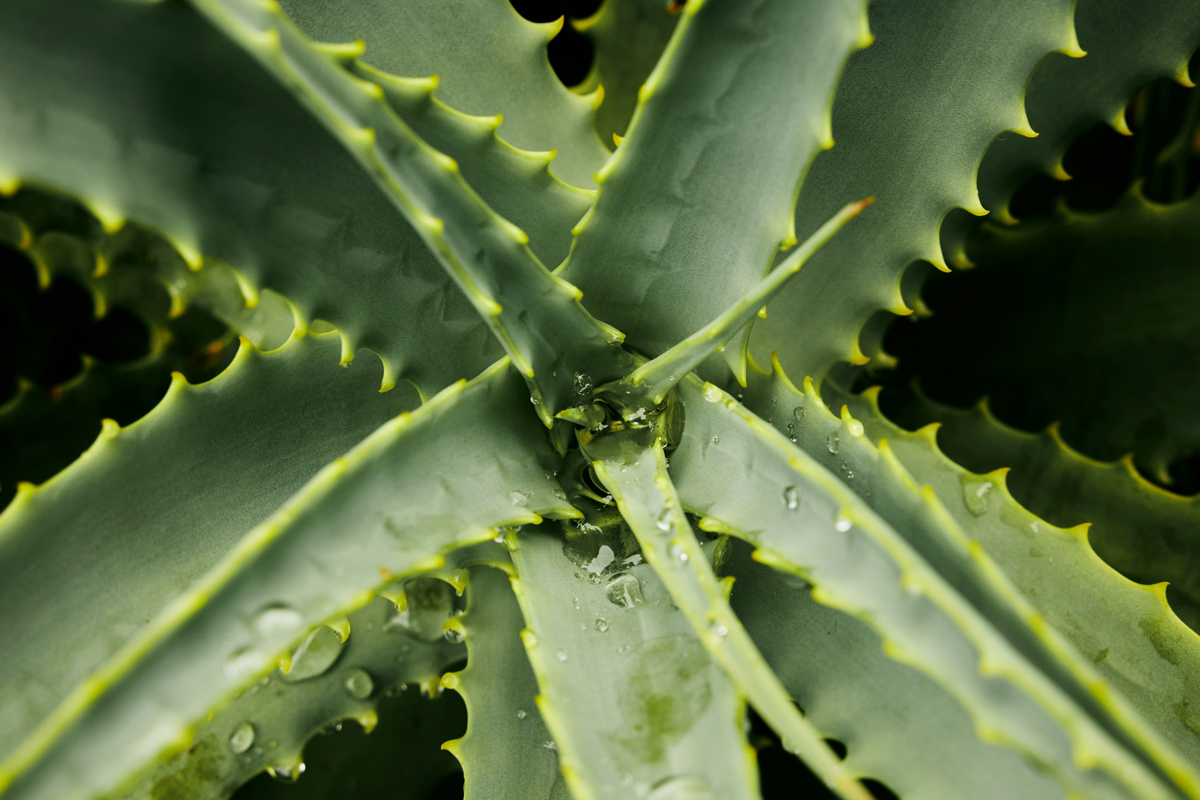
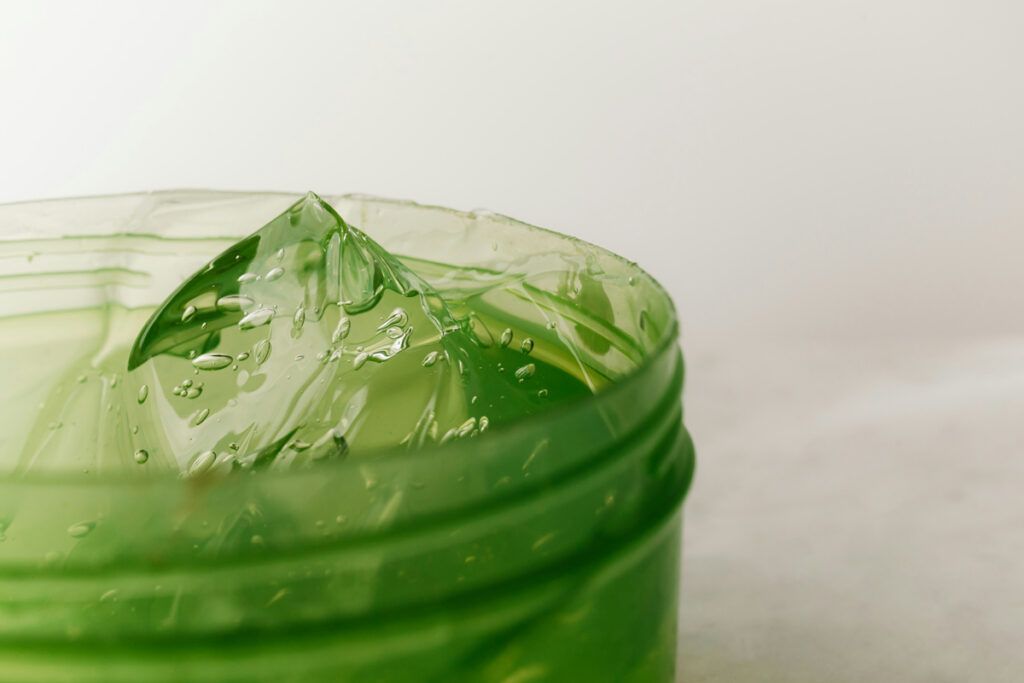
For many people, the next step is almost automatic: Reach for the aloe vera. Whether it comes squeezed from a bottle or snapped fresh from the thick leaves of the succulent it originates from, the cool, slippery gel has become a go-to remedy for sunburn.
But why does it feel so good — and is it actually helping your skin heal?
Nature’s Burn Gel
Aloe vera doesn’t erase a sunburn. Once ultraviolet (UV) radiation from the sun has injured the DNA inside your skin cells, the damage is done. Your immune system responds by widening blood vessels and flooding the area with inflammatory proteins, all in an attempt to repair the damage.
The familiar redness, heat, swelling, and tenderness of a sunburn is how your body heals, not the reason it needs to heal. As damaged skin cells die and slough away, that not-so-lovely flaking and peeling often follow. Aloe can’t turn back the clock on that damage, but it can make the healing process more comfortable.
Part of aloe’s magic is wonderfully simple: Aloe gel is mostly water, so it feels cool as it spreads across overheated skin. If you keep it in the fridge, you probably savor that first delicious moment when your burning shoulders seem to sigh with relief.
The gel also acts as a moisturizer, helping replace some of the water lost from damaged skin and reducing the tight, dry feeling that often precedes peeling. As an added bonus, moisture may also help reduce the peeling itself.
But aloe’s effects come from more than just H2O. Scientists have identified dozens of biologically active compounds inside aloe vera, including vitamins, amino acids, antioxidants, sugars, enzymes, and plant chemicals that can reduce inflammation and speed up the healing process. One compound, called aloin, has attracted particular interest because laboratory studies suggest it can dial down some of the chemical signals that drive inflammation.
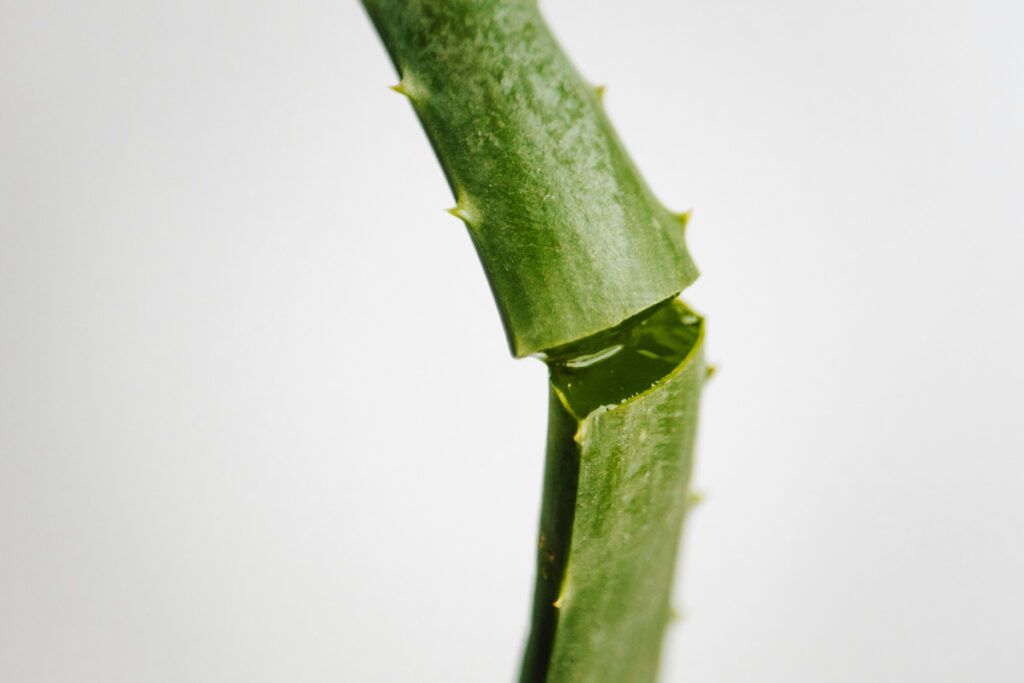
Those potent anti-inflammatory effects are, in a sense, cooling down your skin’s fever — reducing the redness and swelling that continually remind you of the mistake you made when you underestimated the sun. (It’s worth noting that aloin comes from the bitter, yellow fluid that exists between the skin of an aloe plant and the inner gel typically associated with sunburn care. When applied directly, this yellow latex can irritate skin for some people.)
Other components in aloe may encourage skin cells to repair damaged tissue and stimulate collagen production, keeping your skin elastic and bouncy. However, experts recommend choosing a product that’s as close to pure aloe gel as possible, without added alcohol, fragrances, or dyes that could further irritate already-sensitive skin.
Fresh gel straight from an aloe leaf also works (provided it’s the clear inner gel rather than the yellow latex that may irritate you). Applying chilled aloe several times a day can provide welcome relief, alongside other first-aid basics such as cool compresses, staying hydrated, and avoiding additional sun exposure until your skin has recovered. For more severe burns, seeking medical attention is always advised.
When it comes to dealing with a sunburn, think of aloe as a supportive teammate rather than the star player. It can’t undo UV damage, but by soothing inflammation and preventing parched skin from drying out even further, it can make the healing process a little more bearable.
Aloe vera soothes sunburn because its water-rich gel cools and moisturizes damaged skin, while its natural compounds may reduce inflammation and support the skin’s healing process. It won’t reverse UV damage, but it can make recovery more comfortable as your skin repairs itself.
Short Answer