NATURE
Why Are Mosquito Bites Itchy?
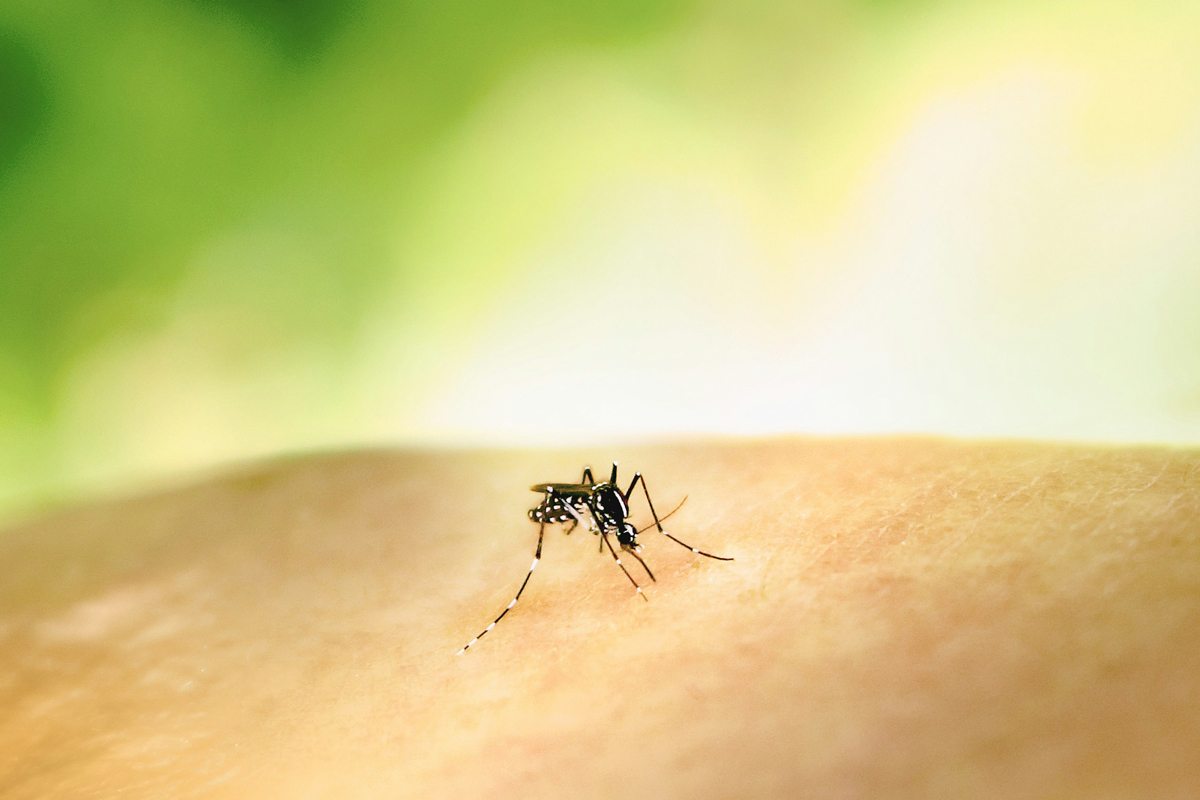

You’re at a summer barbecue, munching on a burger when you realize a mosquito is munching on your leg. The little bugger is obviously crashing the party and is not on the invite list, so you quickly squash it and forget about it.
Hours later, you’re awake in bed, scratching your leg, realizing you didn’t get the skeeter in time. The bite is swollen, but doesn’t really hurt. Instead, it’s itchy as heck. You groan, because you know this itch may linger for hours, or even days. The reason it itches, rather than throbs or stings or burns, has nothing to do with the bite itself, and everything to do with allergies.
Almost Everybody’s Allergic to Mosquitoes
Every mosquito that’s ever bitten you was a female, as the iron and protein in blood are needed for producing eggs. The proboscis isn’t just one appendage, but a collection of six needlelike mouthparts that each play a special role in feeding. A mosquito begins its meal by using two razor-sharp drill bits called maxillae to saw through your skin with scalpel precision, much like you slice your steak with a fork and knife.
Then come its mandibles, which spread the tissue apart as the labrum, the mosquito’s hypodermic needle, finds and pierces a blood vessel, withdrawing your blood like your doctor at a checkup. You’d think you’d feel this little vampire slicing and dicing your leg.
But our bloodthirsty mosquito has a secret weapon – the hypopharynx. This is the sixth and final needle, which the mosquito uses to inject specialized saliva into your wound that prevents clotting, making your blood easier to drink. This saliva also numbs the wound, which is why you don’t feel anything, allowing the bug to finish its meal undisturbed.
Now for the rub (er… itch?). That saliva may prevent discomfort in the short run, but most people are actually allergic to it. While some lucky folks have little or no reaction to mosquitoes, for the rest of us those bites become red, swollen, and itchy as the saliva activates our immune system the same way pollen or any allergen does.
White blood cells rush to the wound, releasing histamine to combat the foreign agent. This causes the wound to swell, redden, and become itchy. Within seconds, the satiated mosquito is off to lay her eggs, leaving you with an irritated welt that you’ll soon be scratching incessantly.
Knowing the source of your itch is actually an allergic reaction allows you to treat bites more effectively the next time a citronella candle fails you. For starters, try not to scratch the bite – that’ll only make things worse. Instead, try applying pressure to the wound or rubbing it with an ice cube off and on for 30 seconds at a time.
If those methods fail, calamine lotion, over-the-counter antihistamines, or corticosteroid cream should do the trick. You could even make your own anti-itch balm by mixing baking soda and water into a paste. One or two of those remedies can help soothe that itch and help you get back to sleep. But first, you should probably place an order for more bug spray…
While feeding, mosquitoes inject specialized saliva that numbs the wound and prevents clotting. This stops any pain, but most people have an allergic reaction to this saliva, which causes the bite to swell and become itchy as your immune system attacks it.
Short Answer