SCIENCE
Why Are Sunsets Redder Than Sunrises?
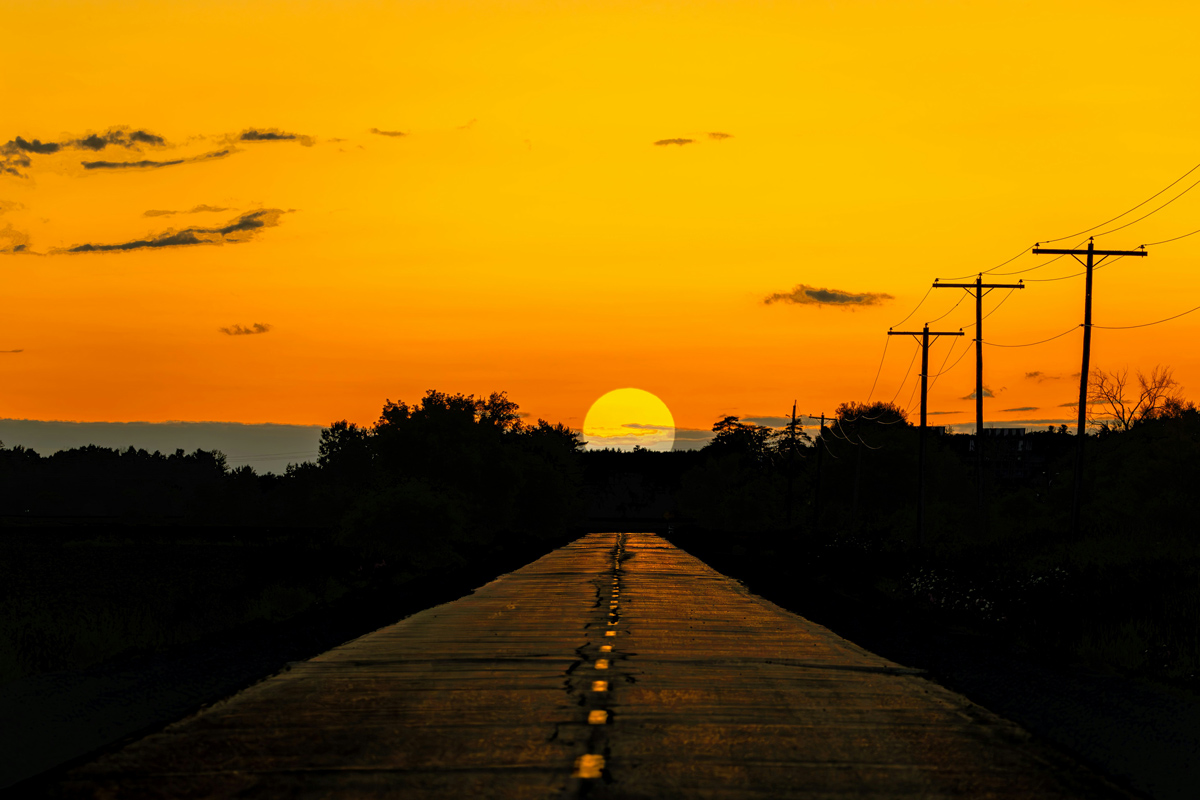

Sunsets are captivating. Humans have likely been mesmerized by the sinking sun for centuries. And why not? As the sun dips toward the horizon, the sky transforms from blue into fiery oranges, deep reds, and peaceful purples. A stunning sunset can end an otherwise ordinary day with an explosion of picturesque colors.
Sunsets and sunrises are produced by the exact same physics — namely, how light interacts with our atmosphere. So why don’t they look precisely the same? What gives some sunsets that deep red hue that sunrises usually lack?
After all, the sun that goes up is the same as the one that goes down. The reason it can look so different at dusk and dawn is much more down to earth.
Blue Disappears First
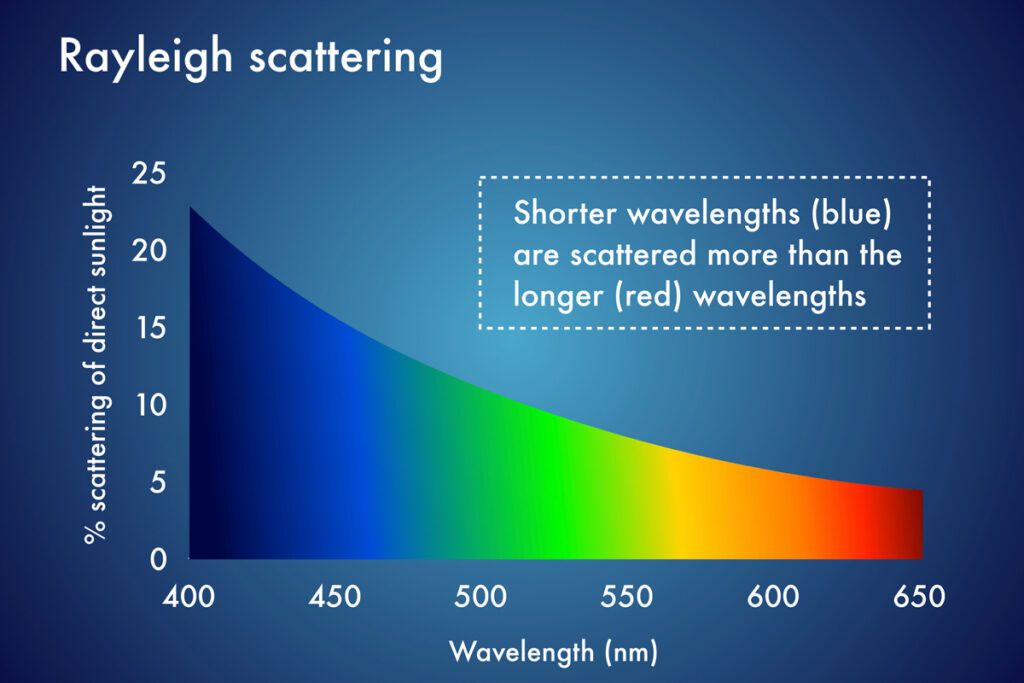
Sunlight might look like white light to the naked eye, but it contains the wavelengths of all visible colors: Violets and blues are the shortest and reds and oranges are the longest.
As sunlight reaches Earth’s atmosphere, it’s scattered in all directions by particles in the atmosphere, including nitrogen and oxygen molecules. This is known as Rayleigh scattering. Blue light scatters more than other colors because its waves are so short. That’s why, during the middle of the day, the sky looks blue.
When the sun is closer to the horizon though, Rayleigh scattering works a little differently. Light spends more time traveling through the atmosphere to reach us. Think about how much longer it takes to swim to the middle of a swimming pool as opposed to diving straight in from above. You spend a lot more time passing through water to get to the same destination, just as light spends more time skimming Earth’s atmosphere at sunrise and sunset.
All that extra atmosphere scatters most of the blue and violet wavelengths in sunlight — leaving the longer red, orange, and yellow ones to dominate the sky. The lower the sun drops toward and below the horizon, the more blue wavelengths are stripped.
This explains why the longer you watch a sunset, the deeper the orange and red hues appear, while the sky becomes bluer as the sun rises at dawn
More Scattering at Dusk
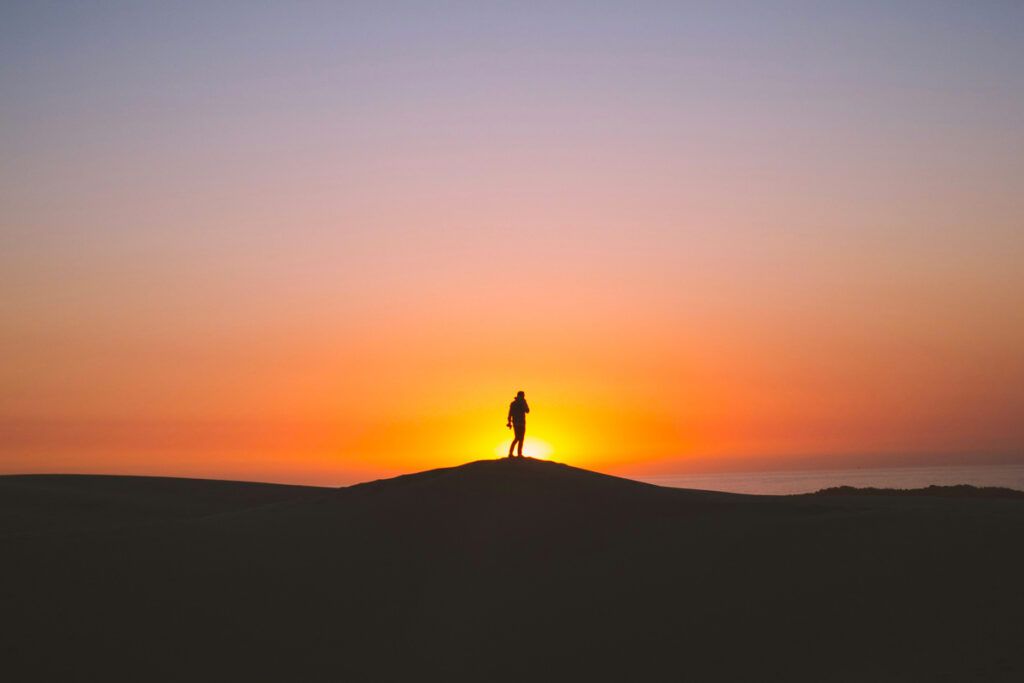
Rayleigh scattering in the atmosphere is why both sunsets and sunrises lose the blue that dominates the sky during the day. Light travels through the same amount of atmosphere at dawn that it does at dusk — the angle doesn’t change much, just the direction. Yet sunsets often seem redder than sunrises, suggesting evening light scatters even more than morning light.
That’s because it usually does, due to there being more particles in the atmosphere later in the day than at dawn. In addition to air molecules, light is scattered by ice, dust, and other particles. The more of these particles in the sky, the more sunlight has things to bounce off of, creating even more shades and patterns of color.
One reason the Sahara Desert is known for its dazzling sunsets is because of all the sand particles in the sky above it. Smoke from wildfires is also known to “enhance” sunsets. And beach sunsets stand out not just because of the flat horizon but also because of the salt in the air.
There are more concentrations of particles in warmer air than cooler. The sun warms Earth all day, so there’s more heat in the air than there is at dawn, leading to redder skies. This also explains why summer sunsets, during hotter weather, appear to be more intense.
Scientists debate whether human-made aerosols, such as smog, may also contribute to redder sunsets, as more particles are kicked up into the air during the day when people use more electricity, drive around, and go about their day. This is a controversial idea though, with some saying the concentration of human-made particles is too thin and not high enough in the atmosphere to affect color, and wouldn’t adequately explain why sunsets appear more red than sunrises.
Other factors affect sunrises and sunsets as well, such as a sky full of high, cirrus clouds, which become illuminated in brilliant reds, oranges, and golds, even after the sun drops beneath the horizon. While weather patterns such as incoming storms play a larger role, warmer air also increases cloud formation, meaning sunsets are more affected by clouds than sunrises.
Finally, there’s the possibility of confirmation bias — if we think of sunrises as more red, we’ll likely remember them that way (especially if we’re awake for far more sunsets than sunrises).
But at the end of the day (or the beginning), does it really matter if one is more red than another? Nature puts on a majestic display of light for us not once, but twice every day. Why look a gift horse in the mouth, whether it’s a horse of a different color or not?
When the sun is near the horizon at dawn and dusk, its light travels through more atmosphere. Atmospheric particles scatter blue wavelengths but leave the red, orange, and yellow — the lower the sun is, the less blue the sky becomes, creating the hues of sunrises and sunsets. Additional particles in the air, such as dust or ice, scatter light even further, and warmer air more easily holds such particles. Since the sun has been out all day, it’s typically warmer at dusk than at dawn, so more light scatters and leaves redder skies.
Short Answer