ENGINEERING
Why Do Elevators Have Mirrors Inside?
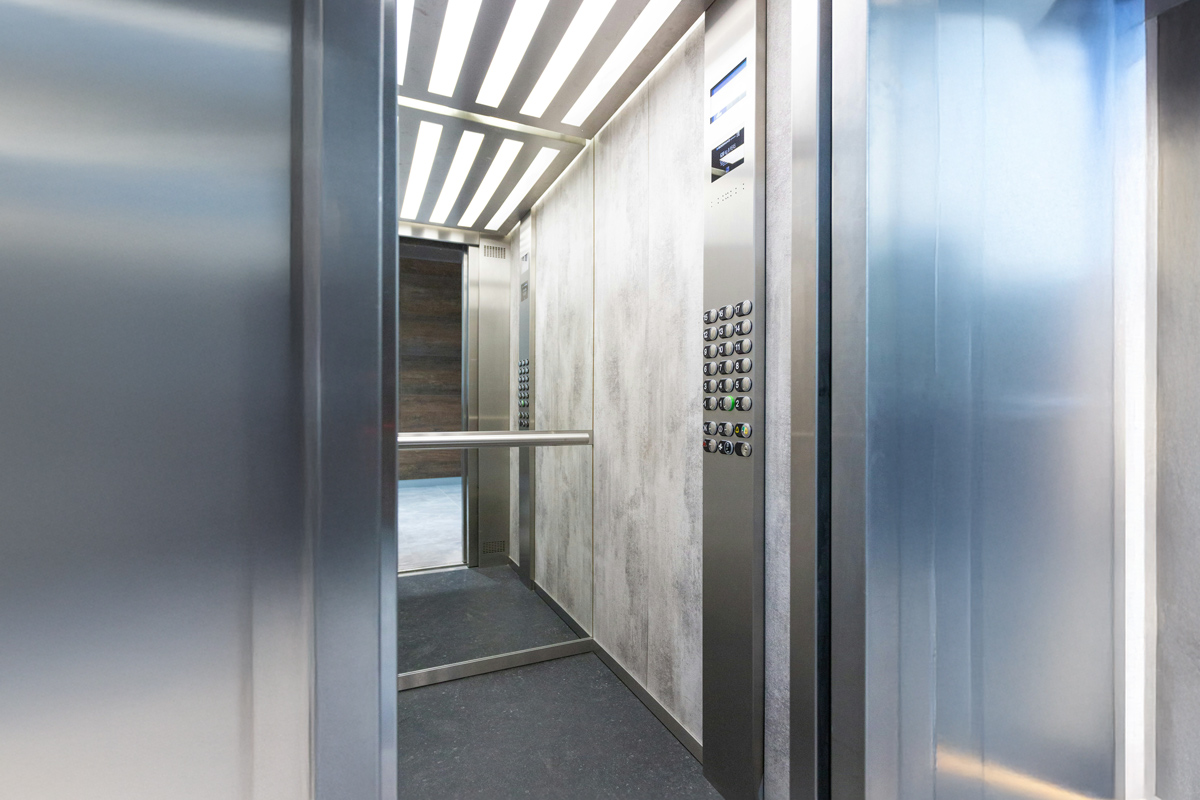

Traveling at high speeds in an enclosed box suspended high above the ground, filled with total strangers powered by a pulley system? It sounds like some daredevil stunt, or perhaps an amusement park ride — yet that’s an accurate way to describe riding an elevator.
Elevators make 21st-century urban life possible. Without them, buildings could never have grown much higher than a handful of stories, let alone into the glass-and-steel monoliths that now dominate city skylines around the world.
The weights and pulley system that allows elevators to work is a feat of modern engineering, but an unsung design feature is the mirrors often lining the interiors. But when you think about how your standard elevator works, the prospect of standing in a windowless box while it whisks you away at dizzying speeds — upwards of 50 miles per hour in some cases — can make even the most brave among us a little anxious.
Elevator Mirrors Are for Sanity, Not Just Vanity
The fear of confined spaces is a fairly common phobia, which means there’s a trade-off between convenience and anxiety for many people relying on elevators. To help ease this claustrophobia, elevator manufacturers began installing mirrors on the inside of the cab. Just as they can liven up living spaces, mirrors help make small spaces feel bigger.
This can calm the nerves of those temporarily trapped in the enclosed space of an elevator. According to the lift supplier Gartec, mirrors work better than transparent glass, which can exacerbate problems such as vertigo. For some folks, trading in cramped walls for an exposed view of the elevator’s shaft, gears, and wires — or the ground that is hundreds of feet below — isn’t exactly an upgrade.
But the benefits don’t stop there. Mirrors also provide a welcome distraction during the vertical trips, especially in tall buildings such as skyscrapers when trips may take a few minutes.
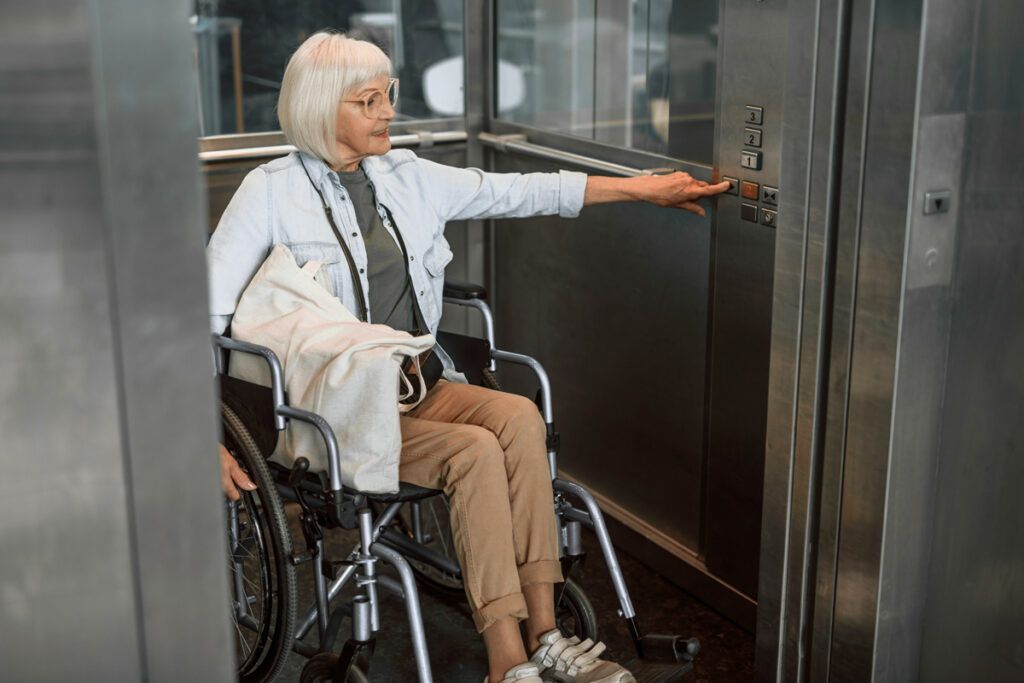
Mirrors also improve safety for elevator passengers in a few different ways. They help prevent pickpockets or assaults since it’s easier for everyone to keep their eyes on one another. Mirrors also help people with wheelchairs exit elevators more safely. It can be very difficult, if not impossible, to do a 180-degree turn in a wheelchair, especially with other people on board. Mirrors allow wheelchair users to see their surroundings while facing the rear of the cab and make it much easier to back out safely.
There are around 30 elevator-related deaths reported in the U.S. every year across an estimated 18 billion trips, so it’s fair to say that they’re safe to ride. For people who still can’t shake that uneasy feeling, hopefully the inclusion of mirrors makes elevator trips a little less stressful.
Mirrors in elevators alleviate anxiety and the fear of enclosed spaces by making smaller spaces feel bigger and offering a distraction during long rides. They also provide security by allowing passengers to see their surroundings and offer a much-needed benefit for wheelchair users backing out of elevators once they’ve reached their floor.
Short Answer