HEALTH
Why Do You Cry When You’re Sad?
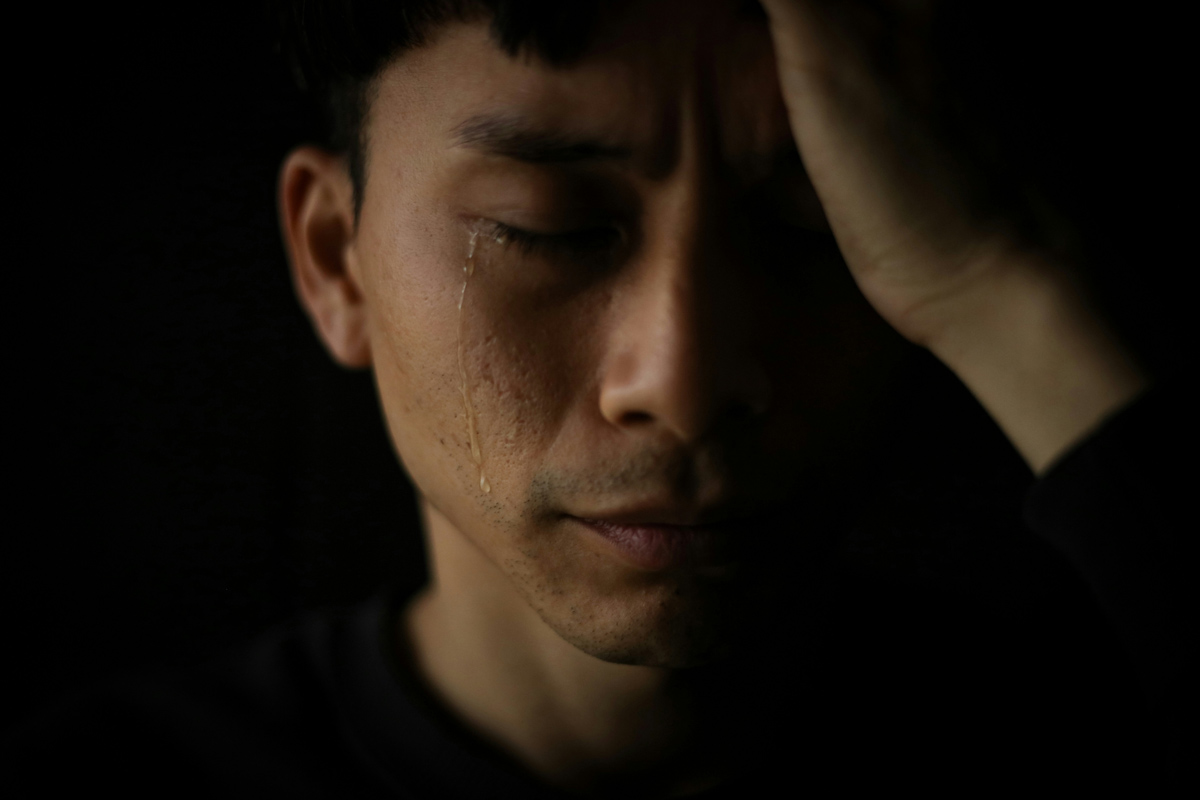

Tears are one of the most universal human responses. Emphasis on the “human.” Though animals may shed tears for various biological reasons, humans are the only creatures on Earth that cry for emotional reasons, such as sadness or frustration. But for something so universal, tears are still surprisingly mysterious.
Scientists still don’t fully understand why strong emotions — especially sadness — make our eyes well up. What they do know is that crying isn’t just a simple overflow of feeling. It’s a complex biological and social behavior that likely evolved to help us humans survive.

The Science Behind the Sniffles
At its core, crying seems to be a signal. Long before humans shed visible tears, our ancestors — like other animals — used distress calls to alert the group when they needed help. Human crying builds on that system, adding tears as a powerful visual cue. Tears are quiet but unmistakable, broadcasting vulnerability and (hopefully) prompting empathy from others. Researchers think emotional tears may have evolved in humans because of our long childhoods: Humans rely on the support of others for years, and crying helps strengthen the bond between child and caregiver.
But crying isn’t just about communication — it also physically affects the body. There are actually three kinds of tears: basal tears that keep our eyes moist, reflex tears that flush out irritants (like the fumes from chopped onion), and emotional tears triggered by strong feelings. When we cry from sadness, the nervous system kicks in, stimulating the tear glands and setting off a cascade of physical changes. Heart rate and breathing shift, and over time, crying can activate the parasympathetic nervous system — the body’s “rest and recover” mode — helping to ease stress and tension.
That’s why crying can sometimes feel like a release. Some researchers note that emotional tears may even contain stress-related chemicals or natural painkillers like endorphins, potentially helping us regulate overwhelming feelings. Still, the evidence is mixed: Crying doesn’t always make people feel better, and its effects depend a lot on context — especially how others respond.
In the end, crying sits at the intersection of biology and connection. It’s part signal, part stress response, part emotional outlet. We cry when we’re sad not just because we feel deeply, but because we’re wired to let others see it.
Scientists still don’t fully understand why we weep, but it seems likely that emotional crying evolved as a distress signal — a way to get help from other humans. Crying can also help us manage emotional overwhelm by activating our parasympathetic nervous system, known as the body’s “rest and recover” mode.
Short Answer