HEALTH
Why Does Salt Make Everything Taste Better?
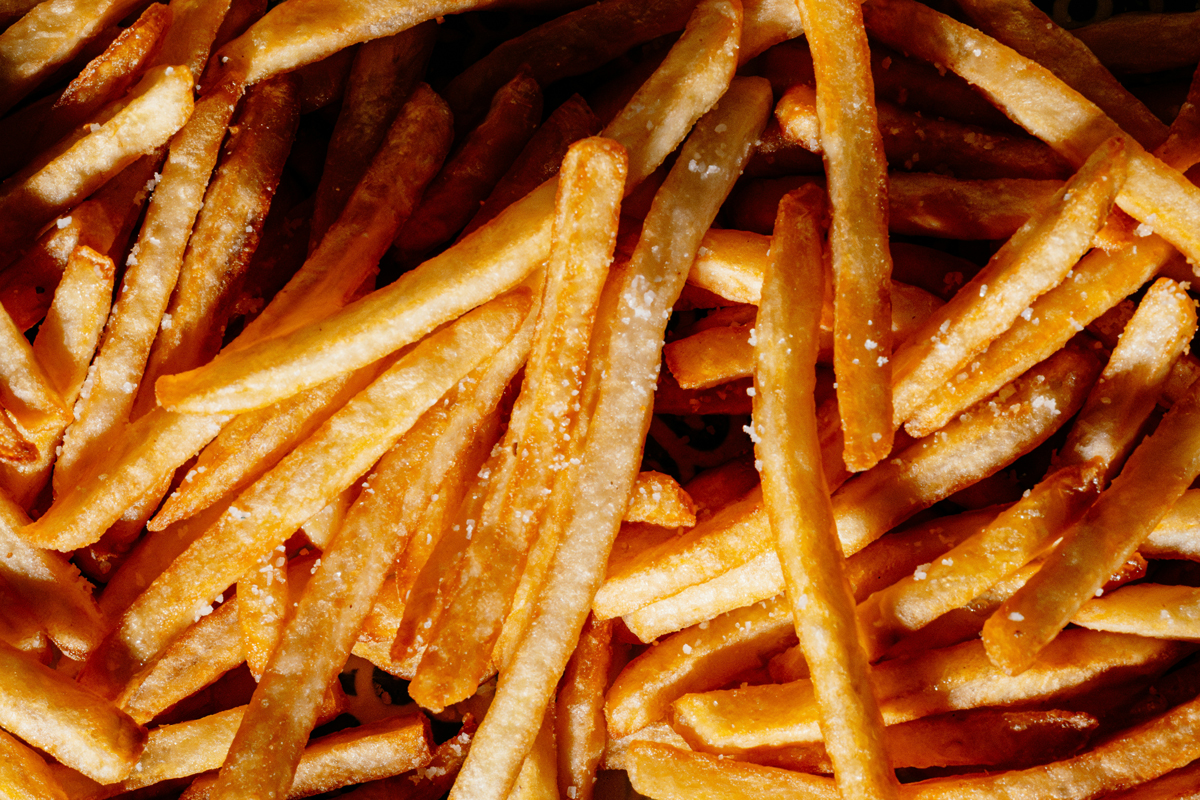

“Needs more salt.” Ever thought that when you tasted something? But salt doesn’t just make meat or soup taste better. It can also improve the taste of foods such as coffee, chocolate, or oatmeal. So, how does salt get this superpower?
Worth Its Salt
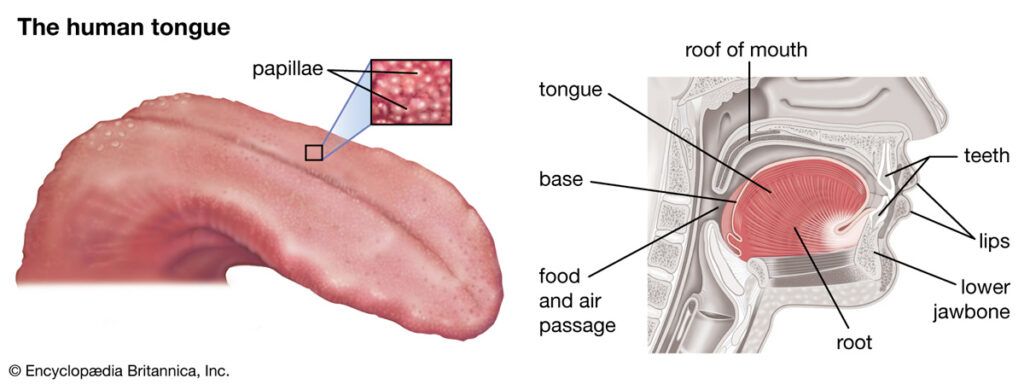
Salt is a chemical compound made up of two different elements: sodium and chloride. Sodium is mostly responsible for the salty taste, thanks to some special cells on your tongue. Your tongue is covered with tiny bumps called papillae. Inside those papillae are taste buds, tiny cells that inform how things taste.
Your taste buds can detect five basic tastes: sweet, sour, salty, bitter, and umami. (Umami is a savory flavor often found in meats and other foods.) Your taste buds can detect these flavors on any part of your tongue, but certain areas of your tongue are more sensitive to certain flavors. The front and side of the tongue are the most sensitive to salt.
When your taste buds detect an increase in sodium, signals are sent to your brain that what you’re eating is salty. Just a few compounds are interpreted by your taste buds as “salty.” Typical table salt is sodium chloride, while other types of sodium register as salty and bitter, or just bitter. The added bitterness is why salt substitutes often don’t measure up to the real thing.

This is simple science — basic chemistry and biology working together. As for why many people often react favorably to that salty sensation, however, that isn’t as certain. One theory is that in addition to salt affecting specific taste receptors on our tongue, the presence of salt in a meal also creates a more pleasurable mouthfeel.
It’s also possible that salt improves the taste of food by blocking the receptors on your tongue that register bitterness. (Bitterness is often seen as a negative trait in food, possibly because we’ve evolved to avoid the taste of harmful and poisonous plants).
This allows salt to improve the flavor of foods that are naturally bitter, such as black coffee. By dialing down bitterness, salt also helps make other foods, such as dark chocolate, seem sweeter.
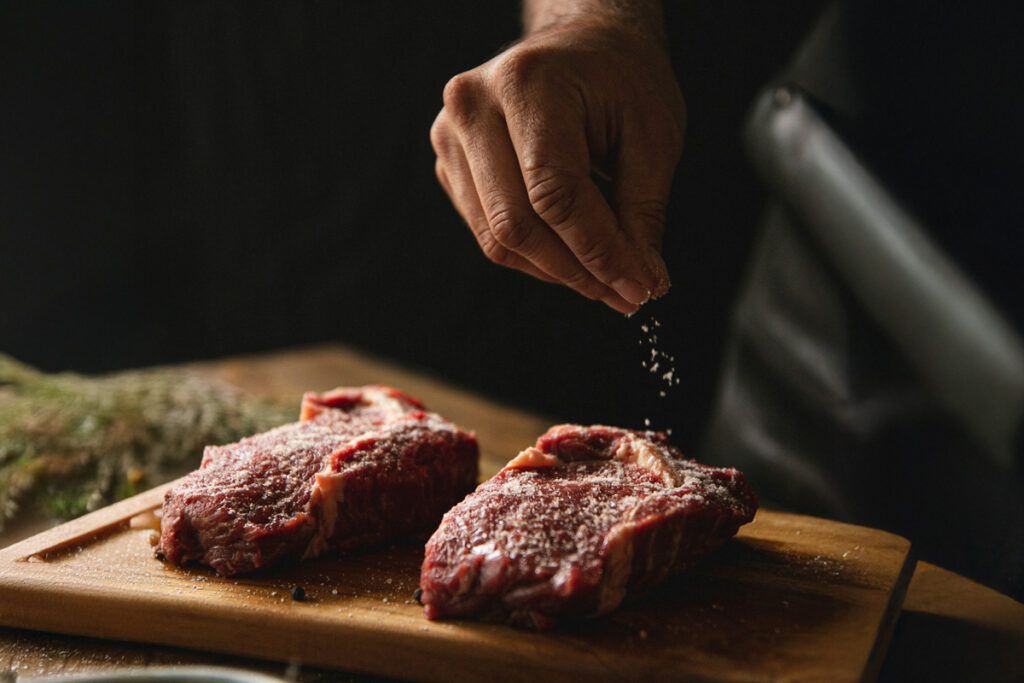
Salt also attracts H2O molecules, which is why it helps absorb moisture and water (as anyone who likes to dry rub a steak or grill an eggplant can tell you). By decreasing the amount of “unbound water” (water not bonded to other components) in food, flavors concentrate and can taste stronger. Absorbing water also makes it easier for these flavor components to escape into the air, creating a nice aroma that can make food seem to taste more flavorful.
But salt improves food only to a point (called the “bliss point”). After that, too much salt in food can make it unpalatable. That’s why a glass of seawater isn’t as tasty as water from the tap. However, people have different bliss points — some prefer more salt in their food than others.
Studies have shown that, over time, people can learn to like food with less sodium, even though they find it bland at first. That’s good, because a diet with too much sodium can raise your blood pressure and cause other health problems.
So the next time you find yourself asking if something needs more salt, consider whether or not you’d just like more salt.
Your tongue has cells that register salty and bitter flavors, so the more salt in a food, the less bitter something tastes. For the same reason, salt can make bitter foods taste sweeter. Salt crystals also physically affect mouthfeel and absorb excess water in foods, which both concentrates flavor and makes it easier to escape into the air and create a stronger aroma.
Short Answer