HEALTH
Why Does Your Foot Fall Asleep?


You’re not the only one who might fall asleep while cozying up on the couch — your feet are also prone to a quick snooze. Feet are finicky about sitting positions, causing them to doze off momentarily when you trade proper posture for a more comfortable lounge position.
Your foot isn’t sleeping of course, and the numbing sensation isn’t actually the feeling of blood rushing back into your arteries, as the common myth suggests. Instead, it indicates an internal pause button between the nervous system and one of its most important collaborators.
Getting on Your Nerves

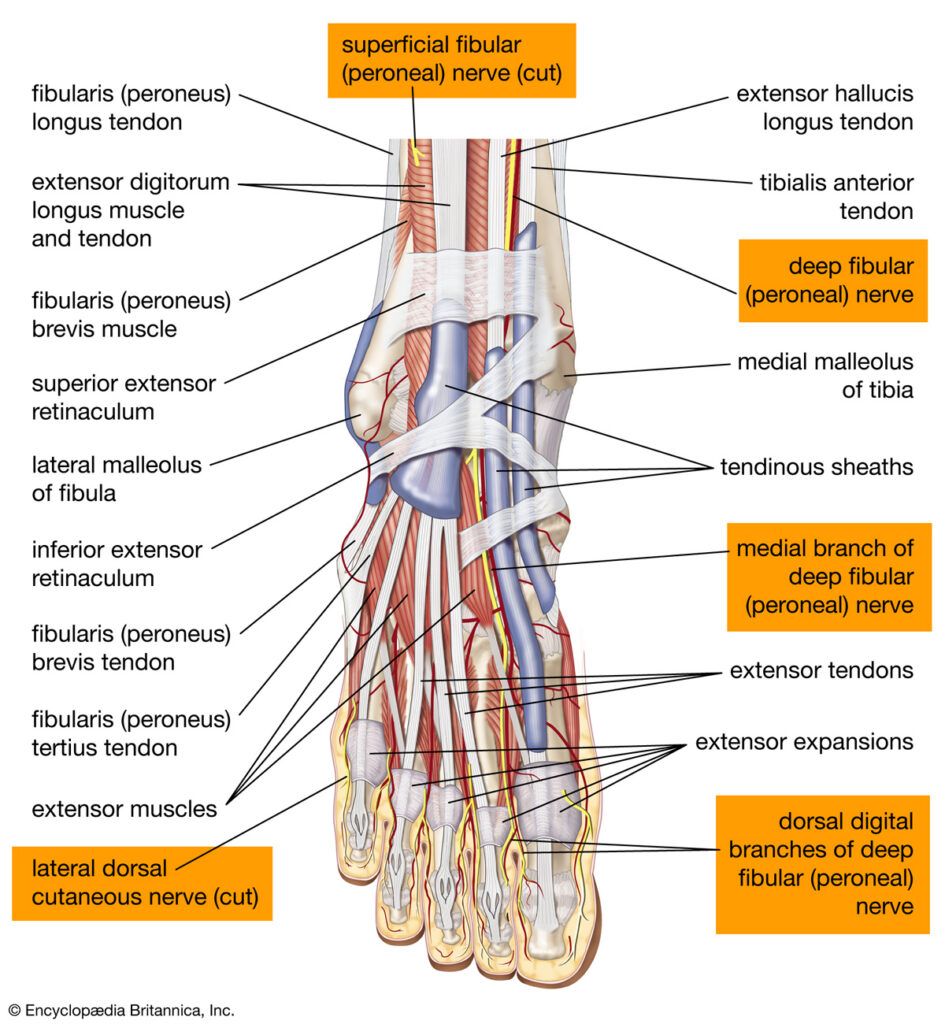
Your feet contain thousands of nerve endings, all connected to five larger nerve branches running up your legs toward the rest of your body. Temporary numbness, which doctors call “transient paresthesia,” occurs when pressure squeezes these nerve branches, momentarily pausing their signals to the brain.
This results in a loss of sensation in your foot. If your nerves were hoses spanning your body, paresthesia would be like a kink that blocks water from flowing. Stepping on a hose also cuts off water — in that sense, it’s possible for you to “step” on your own nerves, trapping them under the pressure of your own body.
While the initial numbness comes from your nerves losing communication with the rest of the body, the “pins and needles” feeling becomes more prominent after you take the pressure off. This tingling happens because nerves misfire as they wake back up, creating a rush of odd sensations that aren’t quite pain or itchiness.
The sensation of limbs falling asleep can also be caused by reduced blood flow, as nerves can’t function without the oxygen and nutrients carried by your blood. When this happens, nerves aren’t just unable to transmit their signals — they can’t generate any in the first place.
While losing blood flow to your foot might sound concerning, it doesn’t generally cause a permanent impact and, just as with nerve pressure, can be relieved almost immediately by moving or changing positions.
Some chronic conditions might also result in limbs frequently falling asleep, including vitamin deficiencies, diabetes and prediabetes, and spinal injuries. Since these causes are not connected to sitting position, they occur more randomly and might last longer or not go away once you move.
Temporary numbness from sitting awkwardly and similar causes isn’t typically concerning medically, though. While not literal, “falling asleep” is a good metaphor because it describes the generally benign and temporary nature of this phenomenon.
Luckily, your feet are light sleepers and can wake up quickly by adjusting your sitting or sleeping position.
Your foot falls asleep when nerves in your lower extremities get squeezed from pressure, which is typically caused by sitting posture or sleep position. That pressure is essentially a pause button for your nerves, as they can’t send signals to the brain. Blood flow cut off to your foot also hinders nerves from generating signals in the first place. The numbness goes away once the pressure is relieved, resulting in a prickly “pins and needles” feeling from nerves misfiring as they wake up.
Short Answer