ENGINEERING
Why Don’t You Ever See Cranes on the Road?
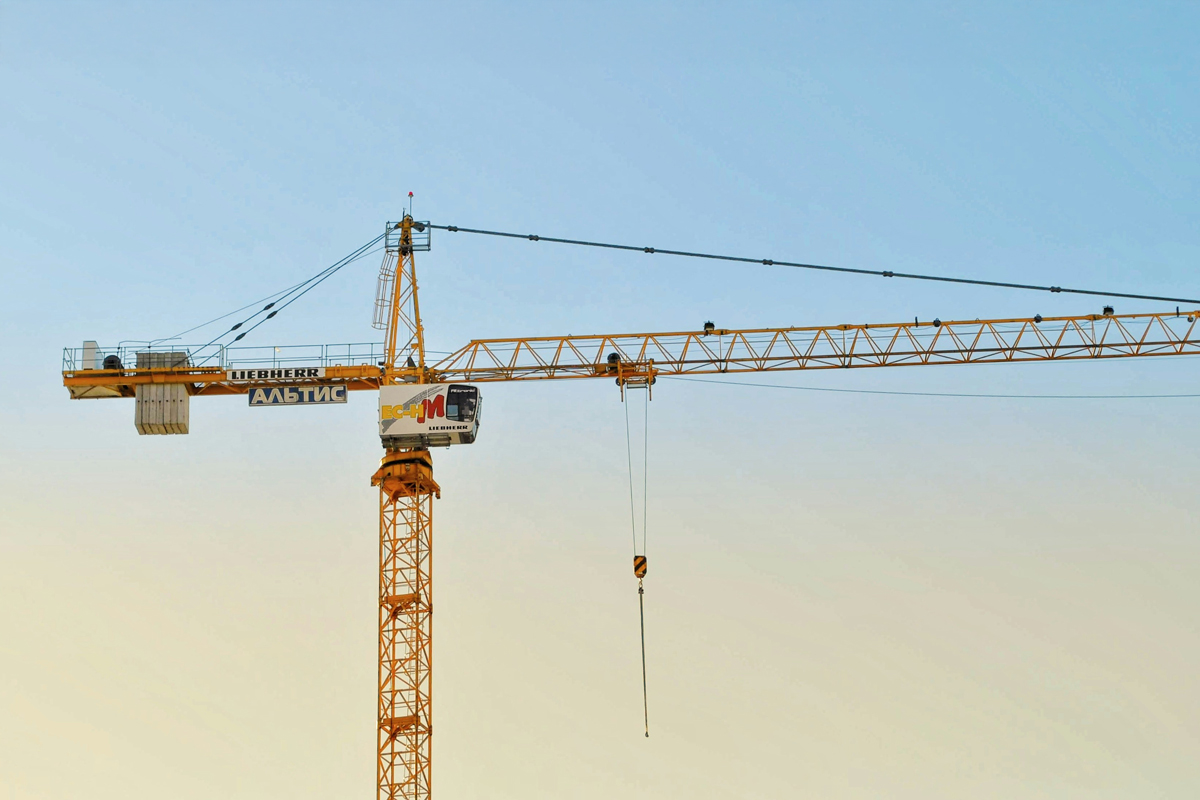

The image of massive construction cranes rising above steel columns and half-completed buildings is a classic urban landscape. But try to remember the last time you saw one of those giant beasts rumbling down the highway to get there. You probably can’t, and that’s for good reason.
The large, erector-set-looking cranes that loom over construction sites weigh multiple tons and stretch hundreds of feet into the air. Getting one to a work site isn’t as simple as, say, driving a cement truck up to the job and putting it in park. It’s actually a two-part feat: first the trip, then the climb.
The Trip
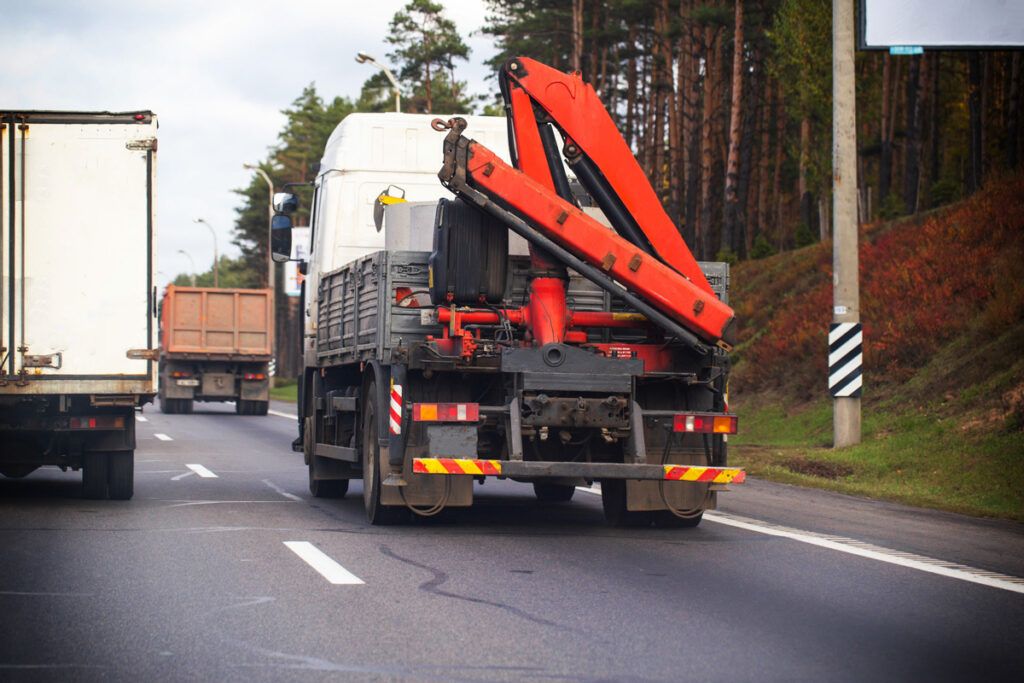
The reason you never see a finished crane cruising down the road is that, for most of the journey, it isn’t one yet. A large tower crane — the most common type of crane — travels in pieces, kind of like flat-pack furniture that needs to be assembled at home. That’s because as a single machine a crane isn’t just large but also very heavy.
It needs that weight to keep stable and firmly stay on the ground as it lifts heavy construction materials. Tower cranes are bolted to concrete bases that weigh up to 200 tons (400,000 pounds), but the machine itself can still weigh tens of tons. (That’s also about as much as they’re typically allowed to lift at once, though some can lift much more.)
There are a few major components to these cranes: the mast (the part that goes straight up), the jib (its long horizontal arm), and the counterweights to keep the load balanced. These parts all arrive in pieces, usually on flatbed trucks. The crane is bolted back together once all the pieces arrive on site. Funny enough, it usually takes the help of a smaller crane to put the big ones together.
Even in pieces, a crane is an awkward thing to haul. Loads that are especially tall or wide require special permits and often need a pilot-car escort (that’s what those vehicles advertising “oversized load” are called). Cranes also typically need a route mapped out in advance, making sure to dodge low bridges and tight turns.
Many places only allow these oversize loads to travel during certain hours when traffic is expected to be light, which is part of why the delivery tends to happen when you’re not around to see it. That said, the smaller, mobile cranes mentioned earlier can drive themselves short distances on their own wheels, and you may spot those in traffic.
The Climb
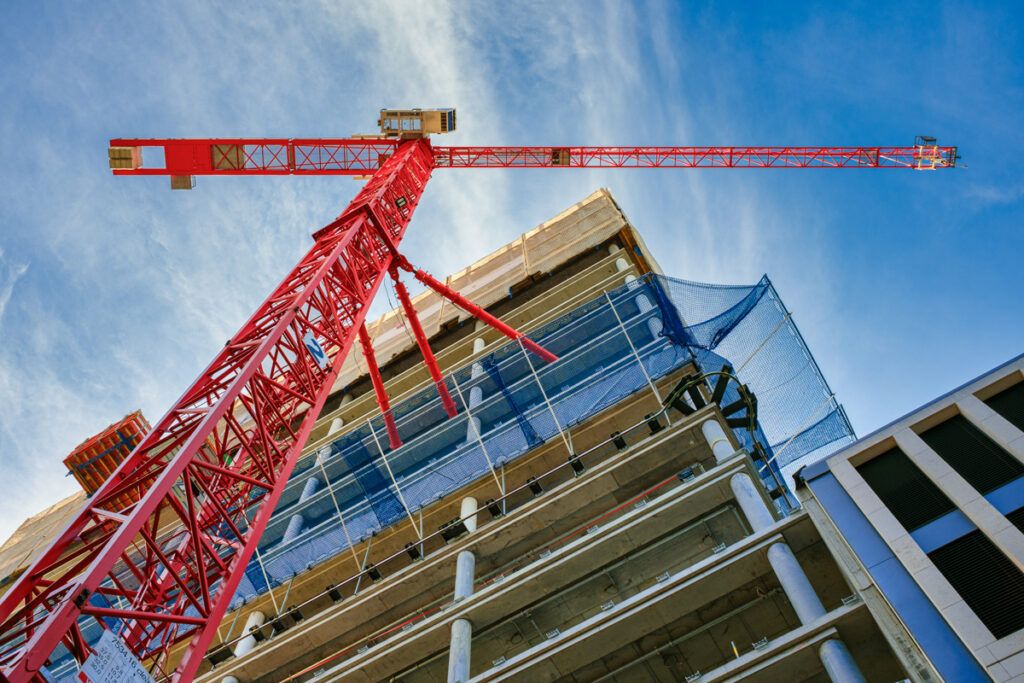
Once assembled, a tower crane needs to live up to its name and get tall. A crane anchored only to the ground can only rise so high — generally not much more than 265 feet, or roughly 25 stories — before stability becomes a problem. To go taller, the crane basically “grows” alongside the building it’s helping to build, rising floor by floor and leaning on that same structure for support. Which is to say: The crane helps build the very thing that holds it up.
One way it does this is via a method called “external climbing.” The crane stands beside the building and uses a hydraulic climbing frame to hoist itself up, adding a new tower section into place each time. All the while, steel collars tie it to the finished structure for support. Gardeners can think of it like attaching a tomato plant to a wooden support as it grows.
The other method is “internal climbing,” in which the crane sits inside the building’s core — in, say, a future elevator shaft — and leapfrogs upward floor by floor as new levels are poured beneath it.
Either way, the crane is never lifted to the top — it climbs there, one section at a time. To leave the site after construction is complete, a “Russian doll” method is usually implemented: A small crane dismantles the big one, then an even smaller crane is hauled up to take apart that one, and so on.
So the next time you pass a construction site, remember that one of the first things that needed to be built was the crane itself, after traveling there in pieces. It then gradually rose higher with the building it’s helping assemble — giving a whole new meaning to “climbing the corporate ladder.”
The giant cranes we see at construction sites are too big to travel as one piece, so they arrive disassembled on flatbed trucks. Those trucks often need oversized-load escorts and travel at odd hours when traffic is lighter. The crane is then put together on site. It rises higher with the structure being built, using the building itself for support to remain stable.
Short Answer