CULTURE
Why Are Silica Gel Packs In Things You Buy?
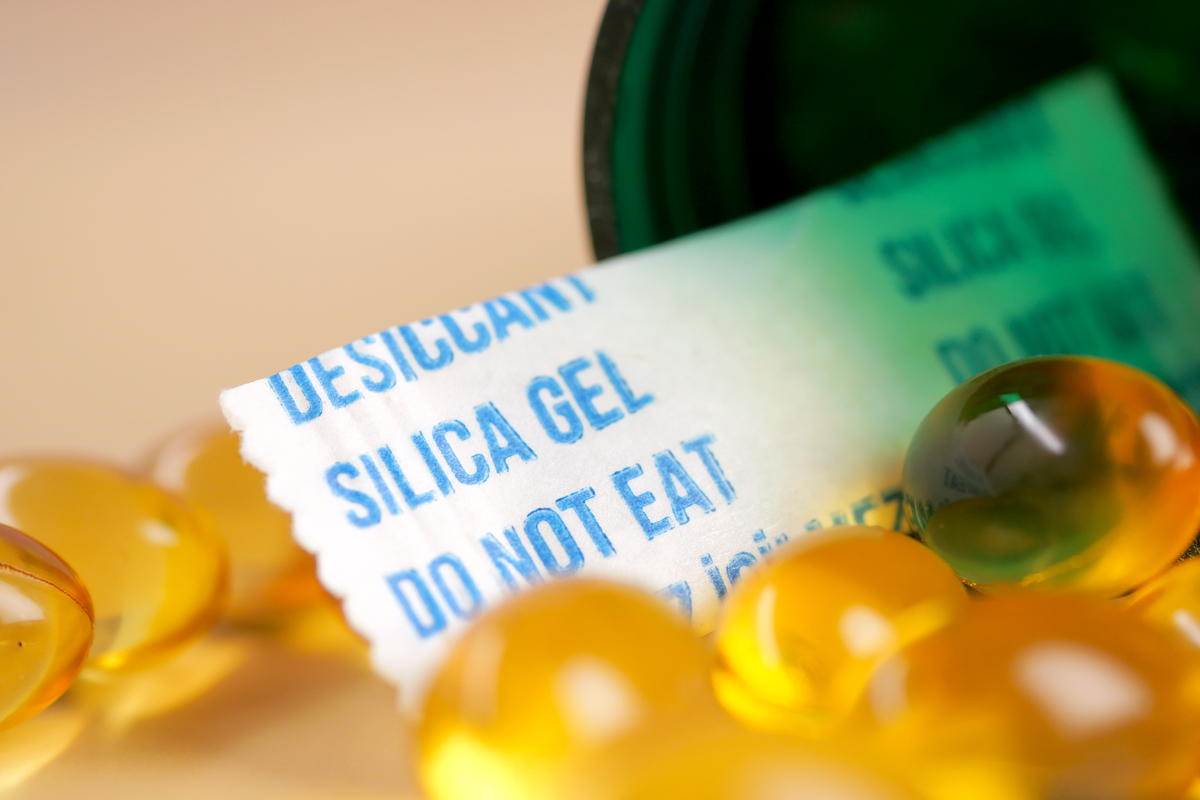

When a product you ordered online finally arrives, it might come in a box with Styrofoam peanuts, crinkle-cut paper, or plastic air pillows to protect the items and keep them from jostling too much during transport. But another material that often comes with packages, silica gel packs, serve a different purpose.
These little packets come in different sizes, though usually you’ll find them no larger than a matchbook. Inside are tiny beads and outside is a stern warning not to eat them. Here’s a look at what silica gel packs are for, how they work, and — if you really want to know — why you shouldn’t ingest them.
A Shipping Superstar
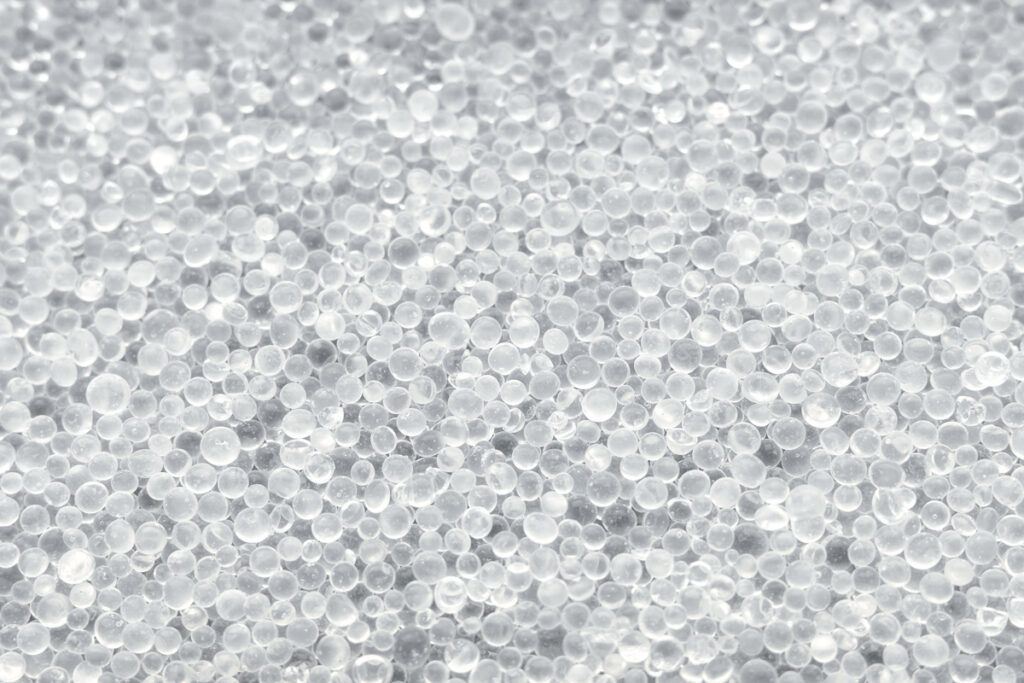
Silica gel packs might seem wasteful, but they serve a vital purpose. While other packaging physically protects what’s being shipped, silica gel packs also help keep items in good condition, but chemically. Though called gel, silica packs are filled with solid beads of silica, which is also called silicon dioxide and is one of the most abundant compounds found in Earth’s crust. You’ve definitely seen it before, even if you haven’t torn open a gel pack out of curiosity, because it’s the primary component of sand.
Silica is also a desiccant, meaning it’s a substance that naturally attracts water, including moisture in the air. Standard packets, such as those you find in shoeboxes, contain around 1-5 grams of silica beads, which each absorb around 40% of their weight in water.
Moisture-retaining silica packets help preserve products by keeping them dry. Not only would it be kind of gross to open a new pair of shoes to find them damp, but water also allows bacteria and mold to grow. This means that silica gel also indirectly prevents odors by limiting microorganisms that cause them.
Inorganic materials can be corroded and perishables will perish more quickly when moist. Plus, silica packs help water-soluble items such as vitamins stay intact, which is why you’ll find them in bottles of supplements and medications. Even electronics benefit from a moisture-free environment as they sit on shelves and make their way to your front door.
Silica gel beads capture moisture through a process called capillary condensation, which changes vapor into liquid water. Once absorbed, the water gets sealed into silica’s internal structure, which is why we don’t notice a difference in the beads’ texture and they never appear wet.
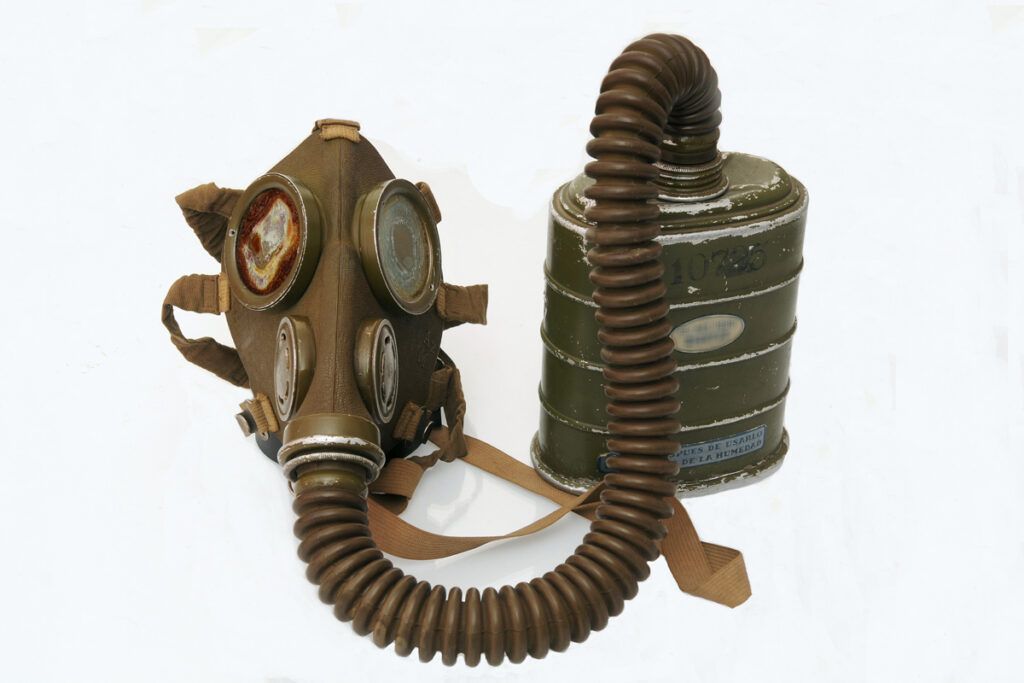
In addition to moisture, silica gel packs are also a magnet for ammonia, sulfur dioxide, and other gases in the environment. In fact, this ability was why modern silica gel was first used on a large scale, in gas mask canisters during World War I.
Technically, silica is nontoxic (who hasn’t gotten sand in their mouth at the beach?). So why do packets come with a “do not eat” warning? For one thing, the small packets can be a choking hazard for kids, which isn’t something to take lightly. And, while not silica is not poisonous when swallowed, its desiccant properties can irritate your throat and nose, and cause stomach pains, vomiting, constipation, and nausea. Some packets also include harmful chemicals in addition to silica.
You Don’t Have To Throw Them Away

You might be tempted to throw out these little packs after receiving your shipment, but because they have beneficial moisture absorption properties, they can actually be reused in the home. If you store electronics in a container, toss in a few packets to help keep moisture at bay and protect your tech when not in use.
If they’re explicitly designed as food-safe, you can use packets in spice cabinets to protect freshness and prevent those pesky clumps. Silica gel packs are also a great addition to a gym bag, shoe storage (including shoe boxes), and luggage. You can even toss a couple into your photo boxes or filing cabinets to protect paper goods from mold, discoloration, and warping.
Silica gel packets technically don’t expire, so they can be used over and over again. However, they can reach capacity and lose their ability to take on any more moisture. To test this, place a silica gel packet on a kitchen scale to measure its weight; if it weighs around 40% more than what the packet says, it’s fully saturated.
Fortunately, you can still keep using these resilient packs by evaporating their trapped moisture. Heat them in the oven at around 240 degrees Fahrenheit for up to three hours, depending on how much moisture they’re holding. Once you get in the habit, don’t be surprised if you end up keeping the silica gel packs that came with your package far longer than the items you actually purchased.
The silica gel beads inside packets included in product packaging absorb moisture, ammonia, sulfur dioxide, and other gases. They can hold up to 40% of their weight in water, protecting items from the damaging effects of humidity, odor-causing bacteria, mold, and corrosion while in transit. Silica gel doesn’t expire and can be repurposed at home to keep moisture out of apparel, spice cabinets, and more.
Short Answer