HEALTH
Why Do Placebos Work?


A bad headache can make you really grateful you live in the age of modern medicine. You swallow a pill no bigger than your fingernail, and soon the throbbing begins to fade — thank you, science.
But imagine learning that the pill contained no pain reliever at all: You’d been given a placebo, a treatment without any active ingredients. Yet it’s as plain as day that your headache really did go away.
That doesn’t mean your pain — or your relief — was imaginary, or that you magically willed yourself better. Although scientists are still untangling exactly how placebos work, there is measurable data showing that they can activate real responses in your brain and body. Sometimes they even work when you know you’re taking one. How is this possible?
The Brain’s Medicine Cabinet
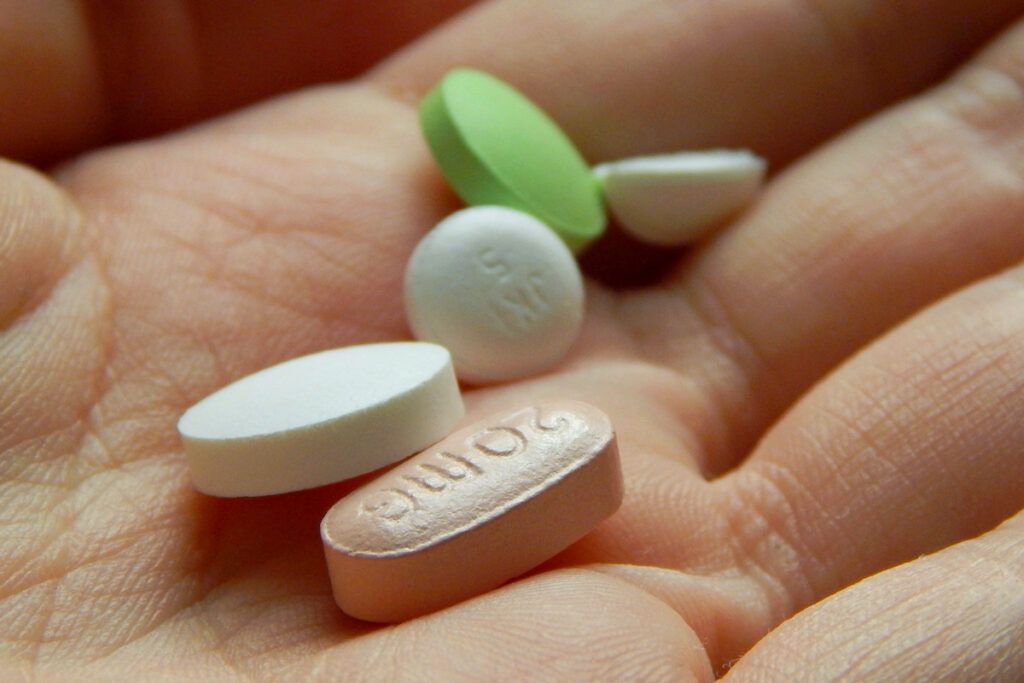
Think “placebo” and you might imagine a sugar pill. Technically, though, a placebo can be any pill, injection, device, or other treatment that has no ingredient or physical action capable of treating a particular condition. Theoretically, a placebo pill could be full of Jell-O, for example.
But think about everything else that happens when you receive medical care. You sit in an exam room, explain what hurts, and interact with someone who tells you that a treatment should help. You may recognize the shape of a pill, the pinch of an injection, or the familiar instructions on a medicine bottle or discharge papers. Your brain draws on previous experiences and interprets those signals, potentially preparing your body for relief.
Researchers are still working out exactly how this response operates. Expectations of relief appear to play a role, but so does conditioning. That is, if swallowing a pill has repeatedly brought relief in the past, your brain may learn to associate the ritual of taking the pill with feeling better — much as your mouth might water when you smell a favorite meal. Strangely enough, that conditioning alone seems to improve how you feel.
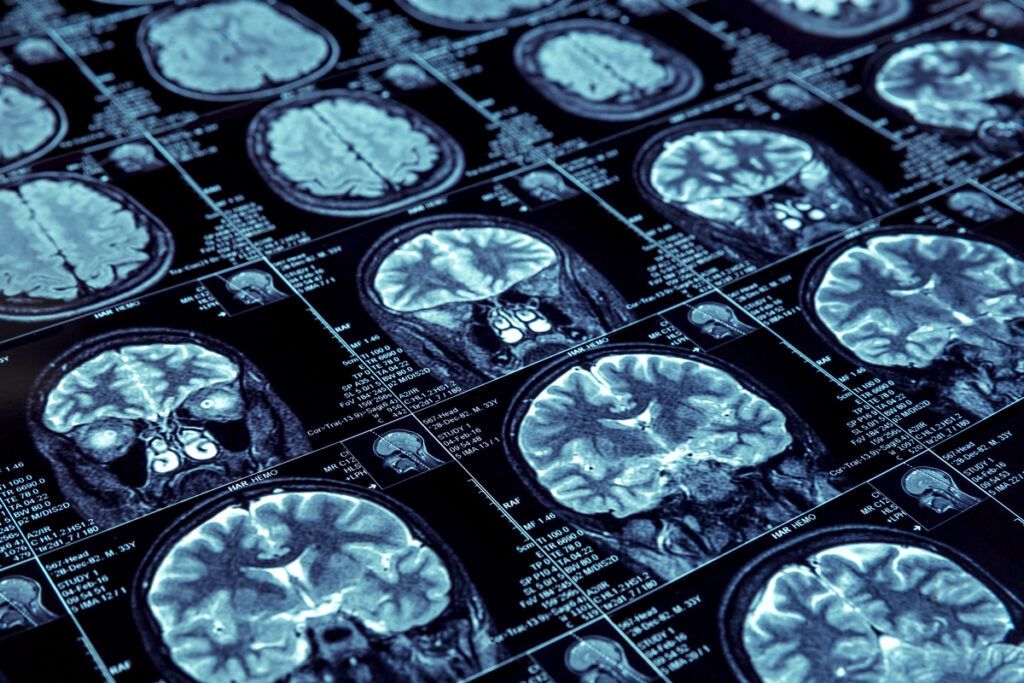
The neuroscience of all this is still being sorted out. The placebo effect has been linked to changes related to how the body uses dopamine, a chemical that regulates learning, pain, and your brain’s reward system. Brain-imaging research suggests that in complex ways, placebos can also alter activity in parts of the brainstem involved in processing painful signals.
That helps explain a crucial distinction: Placebos work best on symptoms the brain helps mediate, such as pain, nausea, fatigue, stress-related insomnia, and emotional distress.
You might think of the brain as controlling a volume knob: A placebo can sometimes turn down the intensity of a symptom, but it can’t necessarily remove its source. It won’t kill the bacteria causing an infection, for example, or lower cholesterol, or cure cancer.
What the Research Says

So how effective are placebos? There is no single reliable percentage. A 1955 paper famously claimed that they helped about 35% of patients, but a later analysis heavily criticized that figure. If your headache fades after taking a placebo, the placebo’s actions may have helped — but the headache might also have been about to improve on its own.
That’s what makes the placebo effect difficult to measure. Symptoms naturally fluctuate, and people often seek treatment at the peak of their illness, meaning they can start to feel relief whether they take anything or not.
To objectively study the placebo effect, scientists must compare people receiving a placebo with people receiving no treatment at all. A large review of 202 trials covering 60 health conditions found no major clinical benefits from placebo treatments overall, although placebos had modest effects on some patient-reported outcomes — especially pain and nausea. The results varied considerably depending on the symptom, the type of placebo, and how it was presented.
Another problem with quantifying the effects of placebos is that there’s no official bar a treatment must clear to be considered effective. Its effects are instead judged by whether it is statistically significant and large enough to matter to patients — standards that vary by symptom, condition, and the individual patient.
Interestingly, placebos might not always require deception. In open-label studies, where patients are explicitly told that they’re receiving an inactive treatment, some still experience relief from taking the inert medicine.
Even when you know nothing of note is in the pill, the familiar ritual of treatment — combined with conditioning, supportive care, and the possibility of improvement — may be enough to set your brain’s response in motion.
Placebos can work because your brain is able to adjust how we perceive pain and react to certain stimuli based on expectations, previous experiences, and the ritual of treatment. This can allow medical care that doesn’t directly treat an ailment to improve how you feel, whether the placebo is a device, drugs for a different affliction, or even just a sugar pill. Because the placebo effect is related to signals from your brain, it’s most apparent in symptoms the brain has some control over, rather than underlying causes of diseases or bacterial infections.
Short Answer