NATURE
The Categories of a Hurricane, Explained

A hurricane isn’t born a hurricane. It begins as a weather system in the tropics or subtropics known as a much calmer tropical disturbance, before using the warmth of ocean water to gain size, strength, and speed.
The same storm can be identified as several different types depending on its wind speed — anything below 39 miles per hour is called a “tropical depression,” while anything between 39 and 74 miles an hour is referred to as a “tropical storm.” (A storm doesn’t typically get a name, such as Katrina or Andrew, until it reaches this point.)
Once a storm surpasses 74 miles per hour, it’s become a full-fledged hurricane. Hurricanes are categorized one through five, which are also determined by wind speed with Category 1 storms having lower wind speeds and Category 5 having the highest.
These categories may shift in real-time, and a hurricane that’s classified as Category 5 when in the middle of the ocean may drop to a Category 1 storm when it reaches land (or vice versa). Here’s a look at the metrics that define each category of hurricane and the potential destruction each one may bring with it — and why these categories can be dangerously misleading.
The Saffir-Simpson Scale
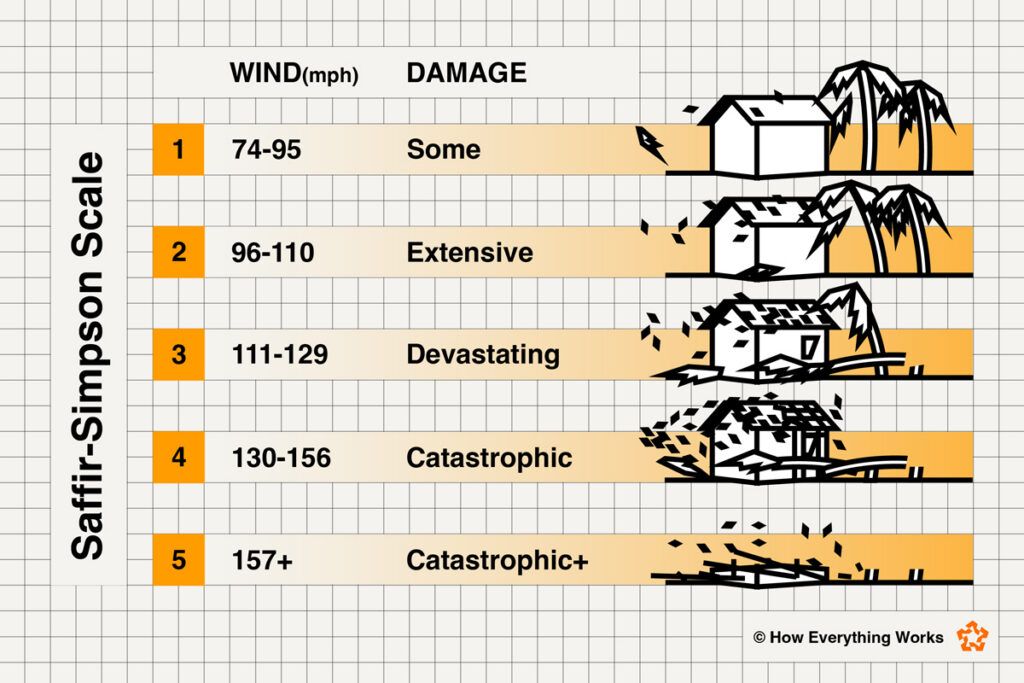
The Saffir-Simpson Hurricane Wind Scale was created in 1971 by civil engineer Herbert Saffir and meteorologist Robert Simpson. The scale, formulated to estimate potential property damage, categorizes hurricanes by maximum sustained wind speed 10 meters above the surface, averaged over a 1-minute interval.
The scale is focused primarily on wind and fails to take into account other factors such as storm surge, flooding, tornados, and other effects associated with hurricanes. Despite its limited scope, the scale remains a helpful tool for hurricane preparedness and determining whether evacuations may be necessary.
Category 1

A Category 1 hurricane features wind speeds between 74 and 95 miles per hour. While it isn’t considered to be a “major” hurricane, a Cat 1 event can still result in notable damage to roofs, shingles, gutters, and vinyl siding. You’re also bound to see branches snapping off trees and damage to power lines that can result in outages that last several days.
Despite being the lowest category of hurricane, a Cat 1 can still result in deaths and damage. In 1972, Hurricane Agnes caused $2.1 billion in damage (nearly $17 billion when adjusted for inflation) and caused 122 deaths across Florida, Georgia, and the Atlantic Coast up to New York City.
Category 2
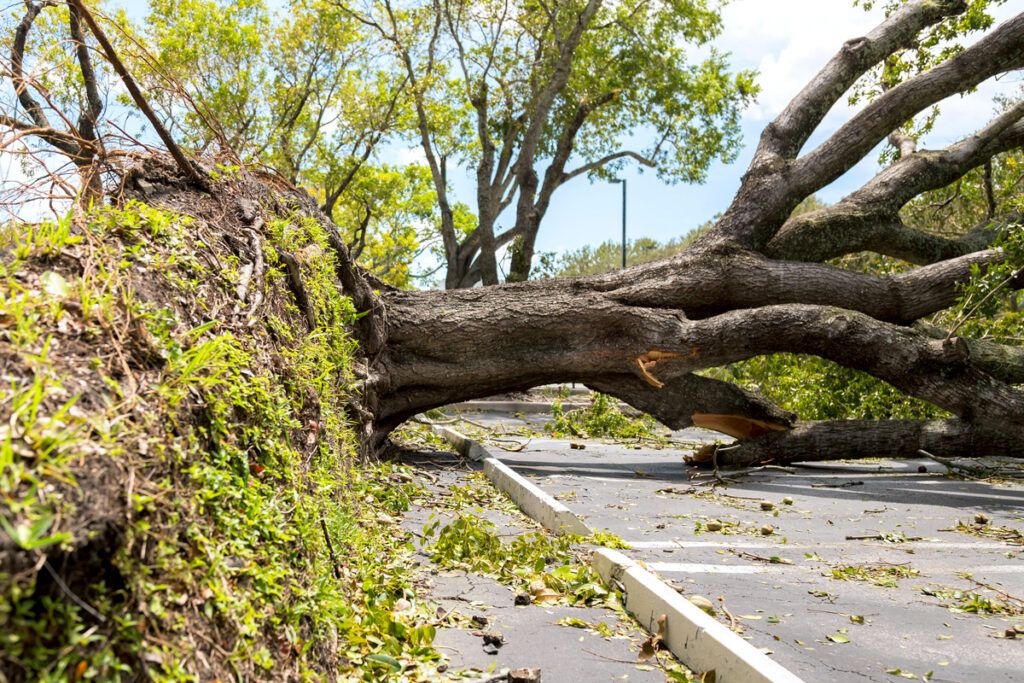
If winds reach at least 96 miles per hour but keep under 111 miles per hour, it’s a Category 2 hurricane. These are considered extremely dangerous, and are likely to cause extensive damage to permanent homes and structures.
Trees are bound to get uprooted and create hazards on roadways. Total power loss is also considered likely, and the outage may last several weeks. Hurricane Frances was among the most notable Category 2 storms in recent memory, resulting in $9 billion (roughly $16 billion when adjusted for inflation) in property damage after hitting Florida in September 2004.
Category 3
A “major” hurricane is one that is Category 3 or higher. A Cat 3 storm has winds between 111 and 129 miles per hour. Roofs can be ripped from homes, trees can be uprooted from the ground and hurled into the sky, and electricity and water are likely to be left unavailable for days, if not weeks, after the storm.
One of the most recent catastrophic Category 3 hurricanes was Irma, which hit Florida in 2017 and caused a total of $42.5 to $65 billion in damages. Though mandatory evacuations may be ordered sooner, you can expect one if a Category 3 storm is likely to hit your area.
Category 4
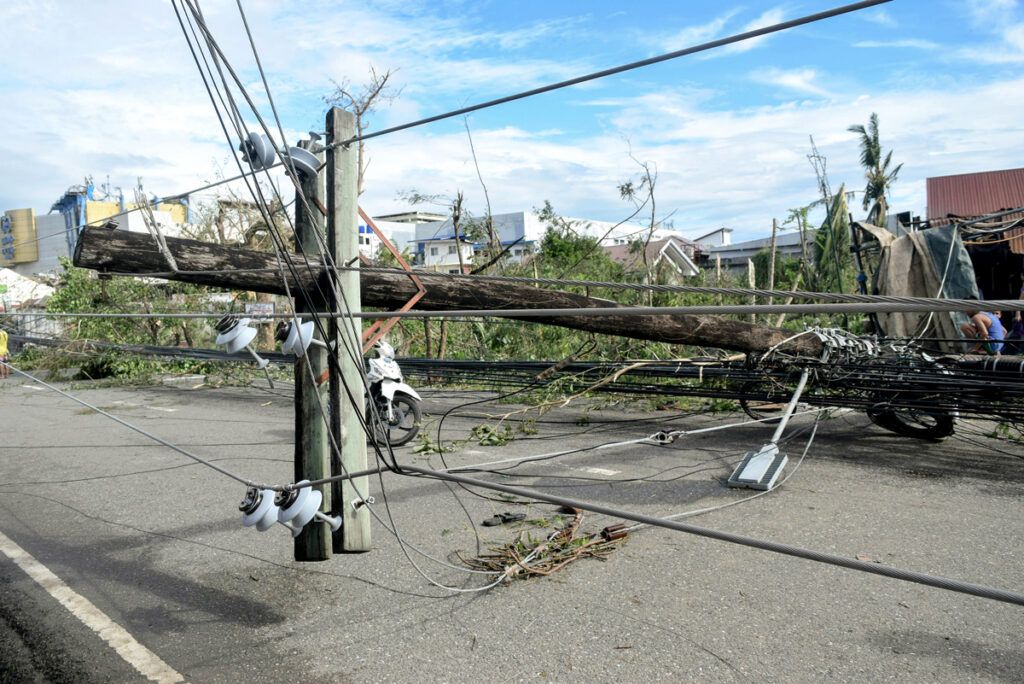
When winds blow between 130 and 156 miles per hour, you’re dealing with a Category 4 storm that’ll cause catastrophic damage to anything in its path. Even the sturdiest home may have its roof torn off or walls collapse, and trees and power lines can be brought down en masse.
Power outages may last several months and render the area uninhabitable during that time. One of the most disastrous Cat 4 hurricanes in recorded history is the unnamed storm that hit Galveston, Texas, in 1900, resulting in 8,000 to 12,000 dead and around 3,500 homes and buildings that were destroyed.
Category 5
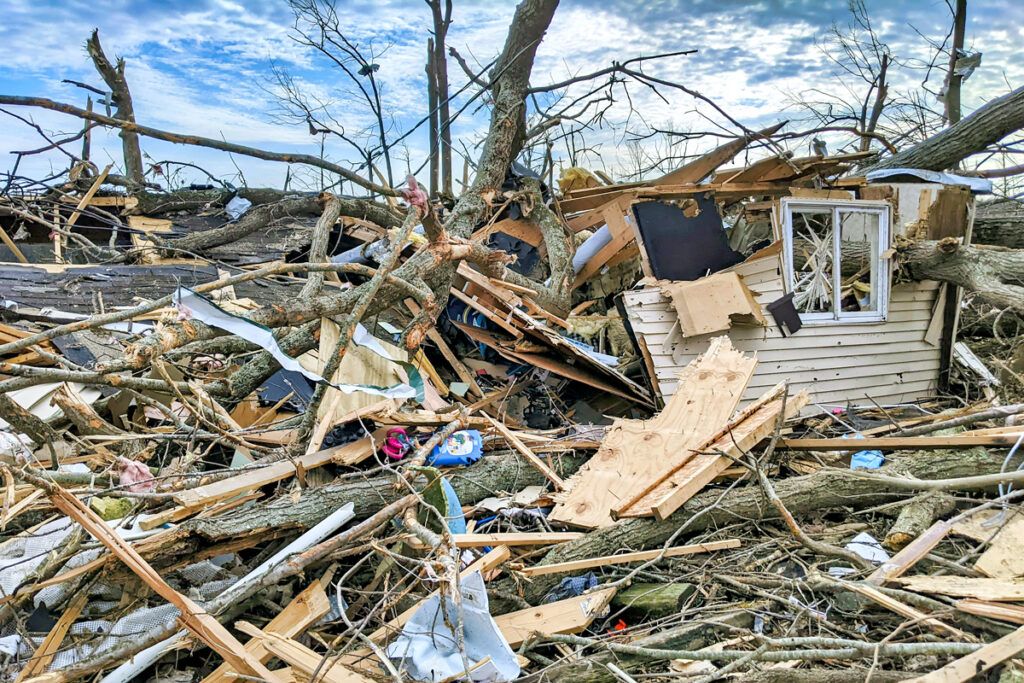
Category 5 is as devastating as any tropical cyclone can become, at least according to the Saffir-Simpson scale. This category includes storms with winds of 157 miles per hour or higher, which are bound to destroy a large percentage of permanent structures in the storm’s path.
Hurricane Andrew is one of the worst Cat 5 hurricanes ever recorded, slamming into South Florida in 1992 and causing $27 billion (nearly $65 billion when adjusting for inflation) in damage. Perhaps the most infamous Cat 5 is 2005’s Hurricane Katrina, an unusually large storm that made landfall as a Cat 3. Katrina killed 1,833 people and led to $108 billion ($185 billion today) in damages and showed what could happen when a major city is in the direct path of an intense cyclone.
Is There a Category 6?
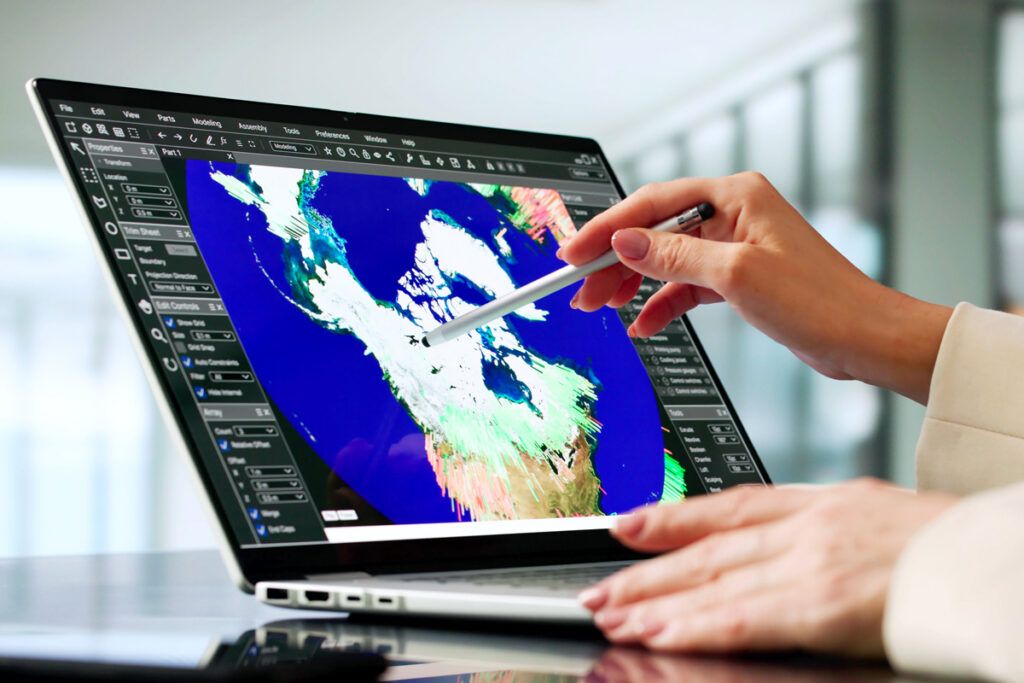
Climatologists have recently detected a notable increase in the severity of Atlantic-based tropical cyclones, which is attributed to rising ocean temperatures around the globe. Since 1924, there have been 45 Category 5 hurricanes in the Atlantic, though at least a third of those have occurred over the last 20 years, at a rate of nearly one per year.
Amid this concerning uptick, some have suggested establishing a Category 6 type of hurricane — a category reserved for storms with winds above 192 miles per hour. That way, people can have a better understanding of an extreme storm’s intensity. But critics say that such a step is unnecessary, arguing that Category 5 hurricanes are already devastating enough and that adding a new category wouldn’t change the way people act.
Basically, it wouldn’t matter if a Category 6, 7, or 8 was headed your way, because a Category 5 is already a life-or-death emergency you should be preparing for (and fleeing from ahead of time, when possible).
Hurricane Categories Can Be Dangerously Misleading
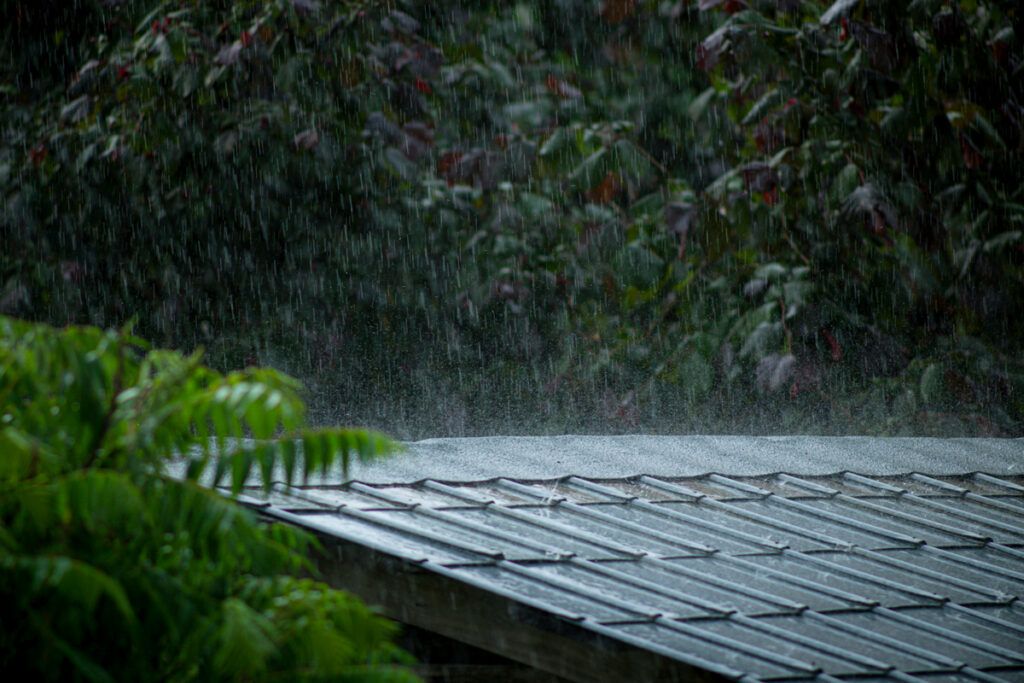
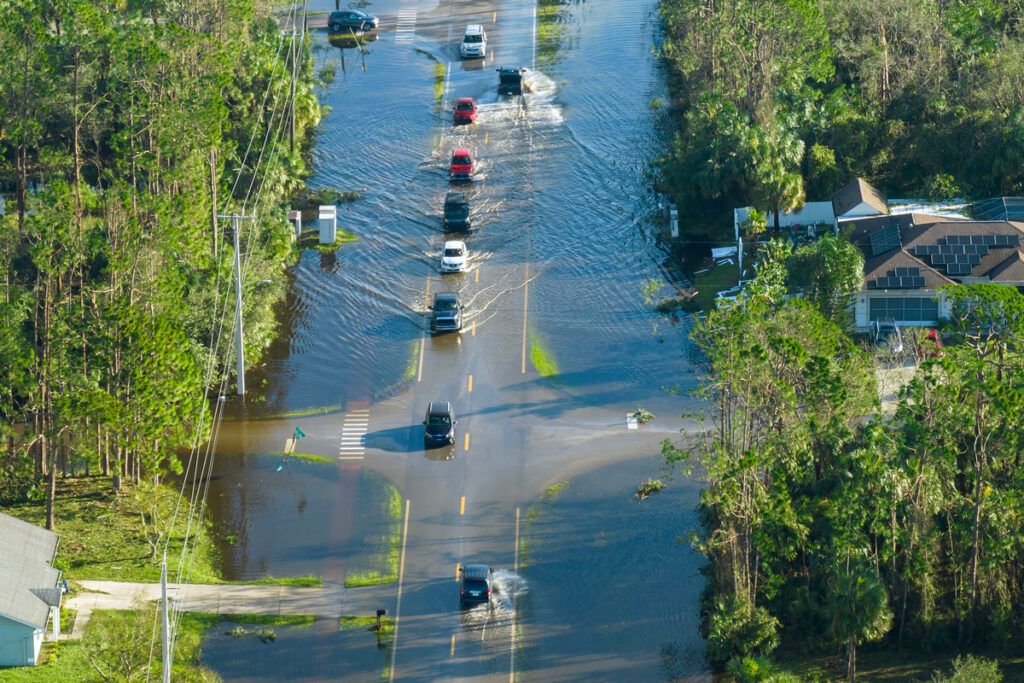
That said, storms with lower categories shouldn’t be automatically brushed off as less dangerous. The Saffir-Simpson Scale only measures wind speed and doesn’t take other factors, such as storm surge and rainfall, into account — making it potentially, and dangerously, misleading.
For example, 2012’s Hurricane Sandy reached a peak intensity of Category 3 when it made landfall in Cuba, but had weakened to a “post-tropical cyclone” by the time it hit New Jersey and New York. Winds weren’t catastrophic at that point, and it didn’t even rain in much of New York, yet the city infamously flooded. That was due to storm surge, as the cyclone had literally pushed the ocean several feet above sea level as it made its way up the coast. The intense flooding and related destruction resulted in $19 billion in damages — a greater financial burden than many Category 5 hurricanes.
In 2024, Hurricane Helene became the deadliest mainland hurricane since Katrina after flooding southern Appalachia with massive amounts of rainfall, which doesn’t affect a storm’s Category status. So while the Saffir-Simpson Scale is a useful metric for alerting the public and giving some sense of a storm’s intensity, it’s not the only thing to consider when gauging the danger of a situation.
When is a Hurricane Not a Hurricane?

Storms with identical wind speeds may be referred to by different terms depending on where you are in the world or who you’re talking to. The average American tends to be familiar with categories one through five, and so that system is used by the media since it’s more widely understood.
When it comes to cyclones that are less likely to impact the U.S. mainland, other terms are more common. “Typhoon” refers to the same type of weather system if it’s located in the Northwest Pacific, while “tropical cyclone” is most commonly used for storms located in the South Pacific and Indian Ocean. Those terms are simply more popular in those parts of the world, even if the storms themselves are identical.
Storms like blizzards and nor’easters may not be hurricanes, but can have similar (or stronger) wind speeds and be just as dangerous. When it comes to weather, never judge a book by a cover — or a storm by its name or category.