CULTURE
Why Being an Air Traffic Controller Is So Stressful
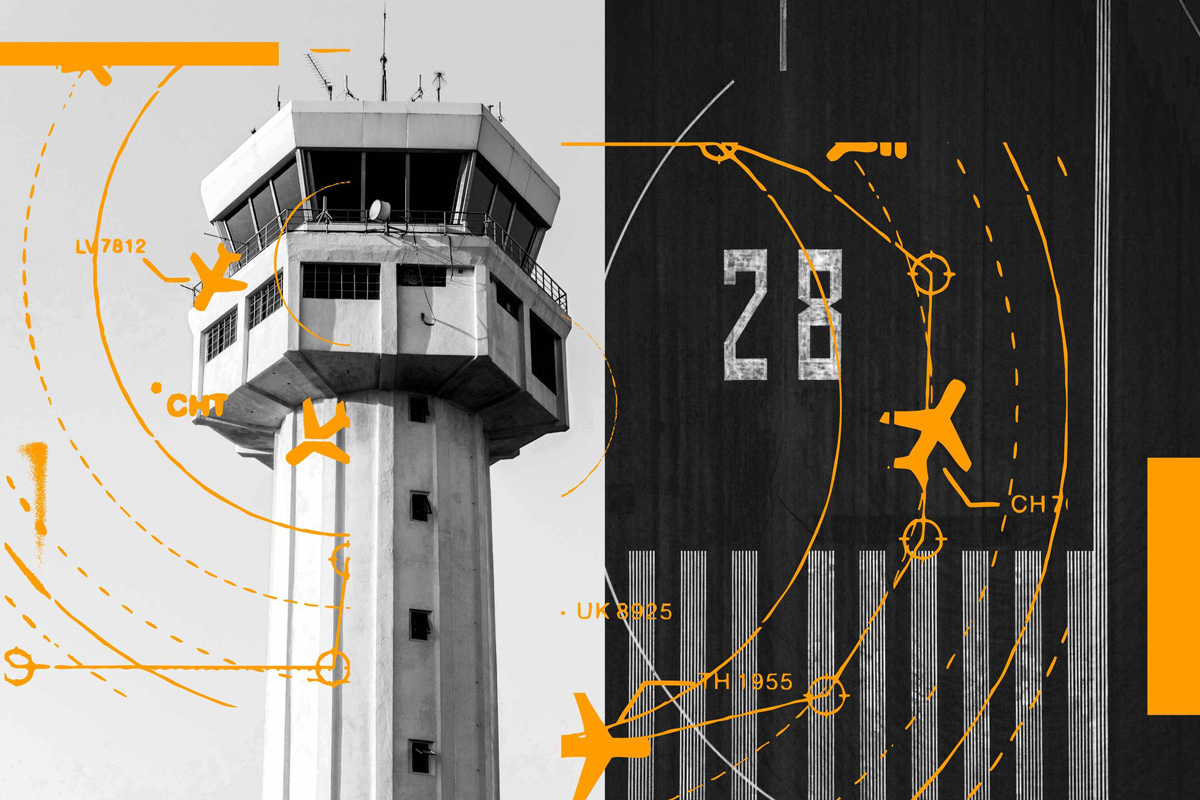

Flight delays occur for many reasons, including a lack of air traffic controllers across the country. There are roughly 11,000 certified controllers in the U.S., which is well below the recommended number.
On an average day, the Federal Aviation Administration (FAA) handles more than 44,000 flights, with as many as 5,500 aircraft in the sky at once — and every plane relies on air traffic controllers to taxi, take off, climb, turn, and land. Here’s what it’s like to have this uniquely stressful job.
What Do They Actually Do?
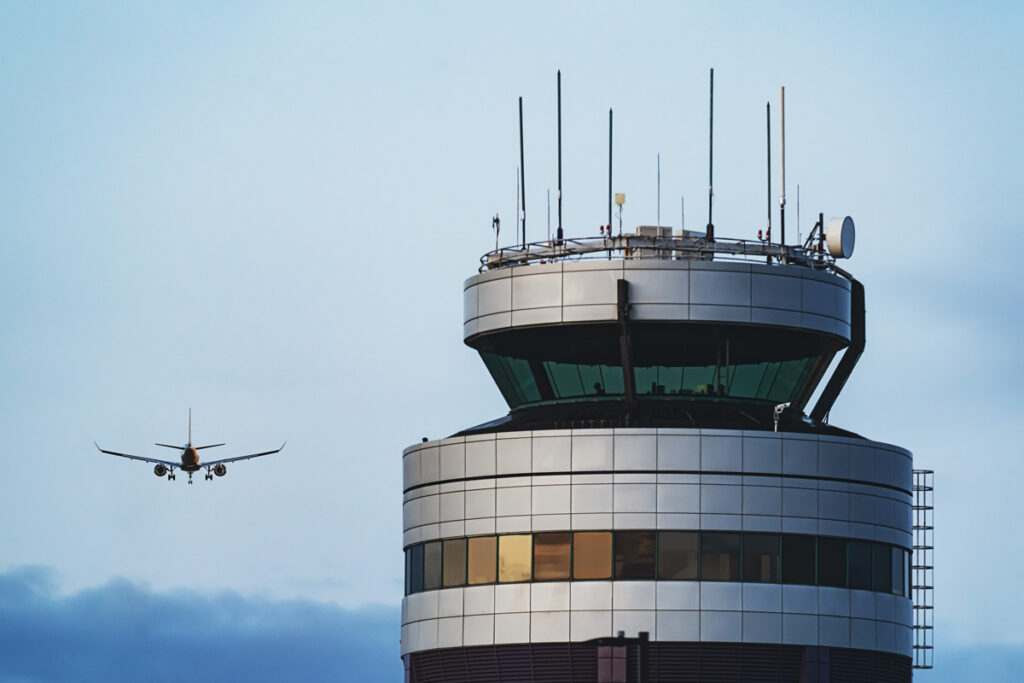
Distilled to one word, the core responsibility of air traffic controllers (ATCs) is “separation.” It’s their job to keep aircraft a safe distance from one another. Closer to the ground, that generally means at least 3 nautical miles apart horizontally or 1,000 feet apart vertically. (That distance grows when planes are at cruising altitude.)
Controllers issue instructions by radio and hand planes off as they move from one controller’s airspace to the next. They also step in when something goes wrong, from a sick passenger to a sudden storm.
Because air traffic never stops, neither does the job. Controllers work rotating shifts 24 hours a day, 365 days a year, holidays included. Here’s what can make the job stressful.
Sustained, Unbroken Concentration
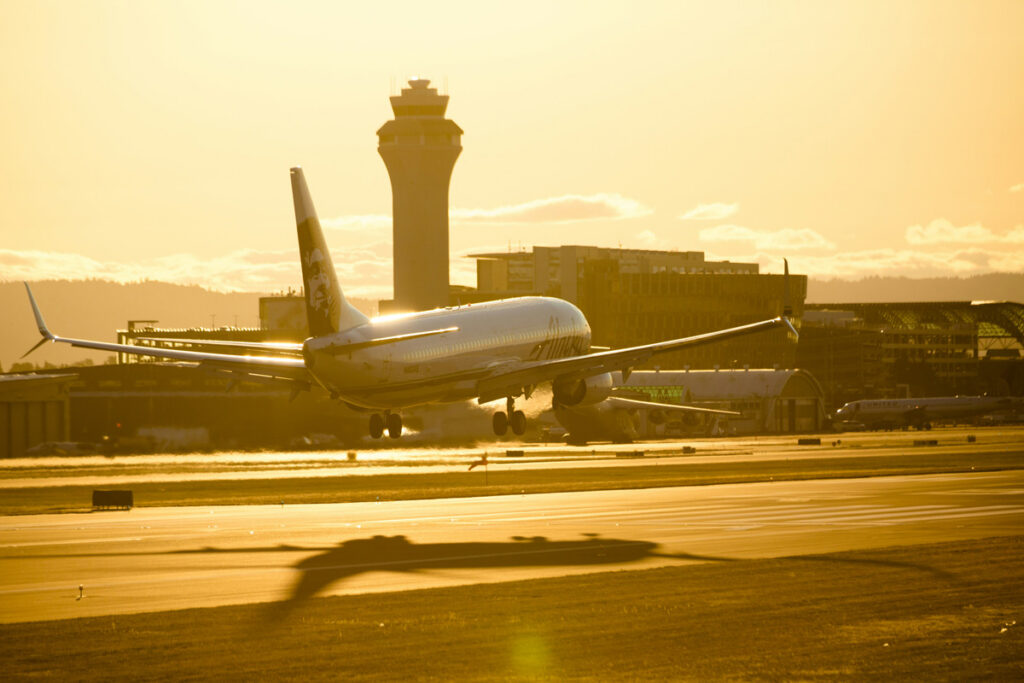
Watching a radar screen sounds passive. It isn’t. Controllers spend an average of about four hours per shift actively working traffic, often in dim rooms, with no room for a wandering mind. And slow stretches can be just as hard. Staying sharp at 3 a.m., when traffic is lighter, takes its own kind of effort. The one plane on the screen still demands full attention.
Split-Second Emergency Response Readiness
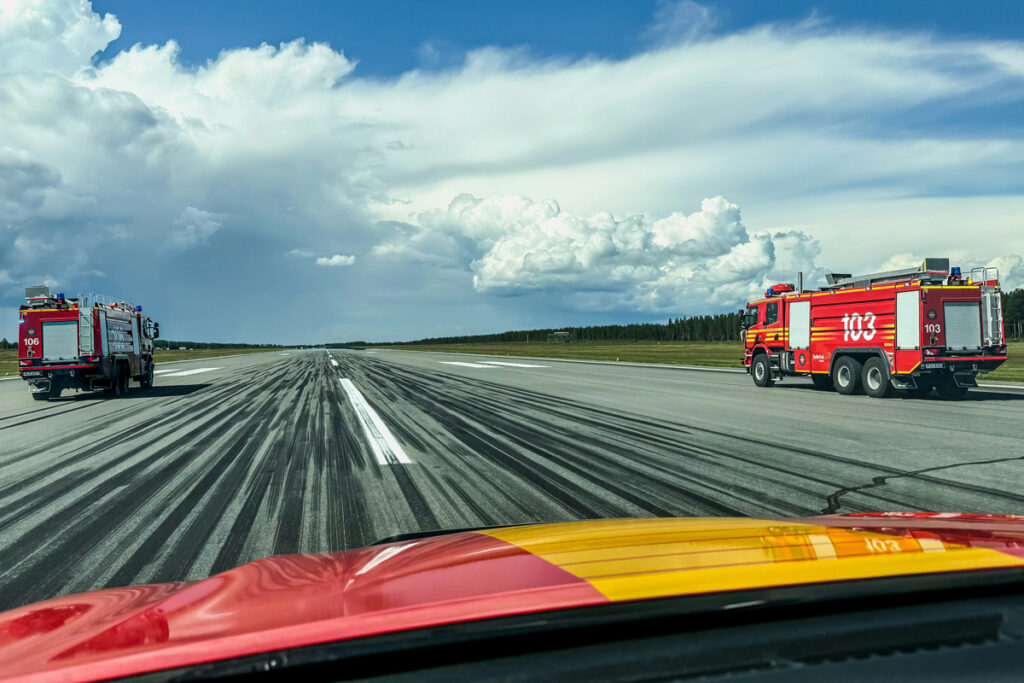
Emergencies can happen at any time. A line of thunderstorms can force a wave of flights onto new routes all at once. A pilot can declare a mechanical problem and need a clear path to the nearest airport. A vehicle or another plane can accidentally wander onto an active runway, an incident known as a runway incursion.
Such emergencies require instant feedback — there’s usually no time to look anything up or consult for a second opinion. And rarely can other nearby air traffic pause right away. The ability to think quickly and react calmly in high-pressure, life-or-death situations is paramount.
Grueling Shift Schedules
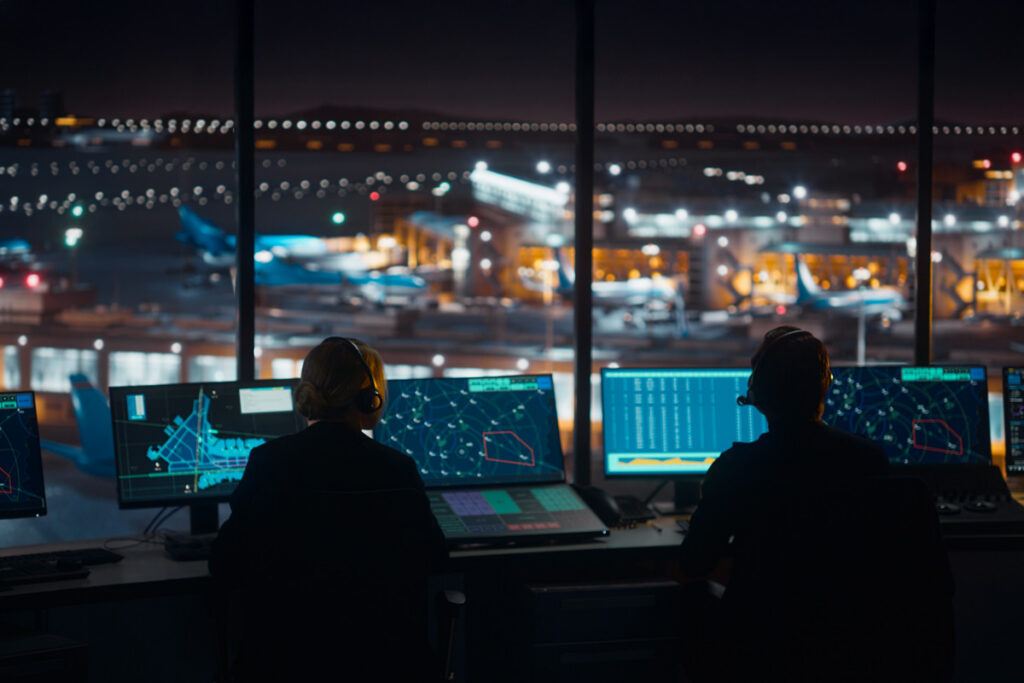
For decades, many controllers have worked a schedule nicknamed “the rattler”: two afternoon shifts, two morning shifts, and one overnight shift that are all packed into a four-day period. The reward is roughly 80 hours off afterward. The cost is a body clock that never knows what time it is; hence this schedule’s full nickname: “brain rattler.” One 2014 report conducted for the FAA by NASA found that controllers linked more than half of their on-the-job mistakes to fatigue caused by scheduling.
The FAA has since lengthened required rest between shifts, and a 2024 “fatigue report” recommended scrapping the rattler entirely. But a long-running staffing shortage has made overtime mandatory. According to research from 2025, more than 41% of certified controllers were working 10-hour days, six days a week.
Zero Margin for Error
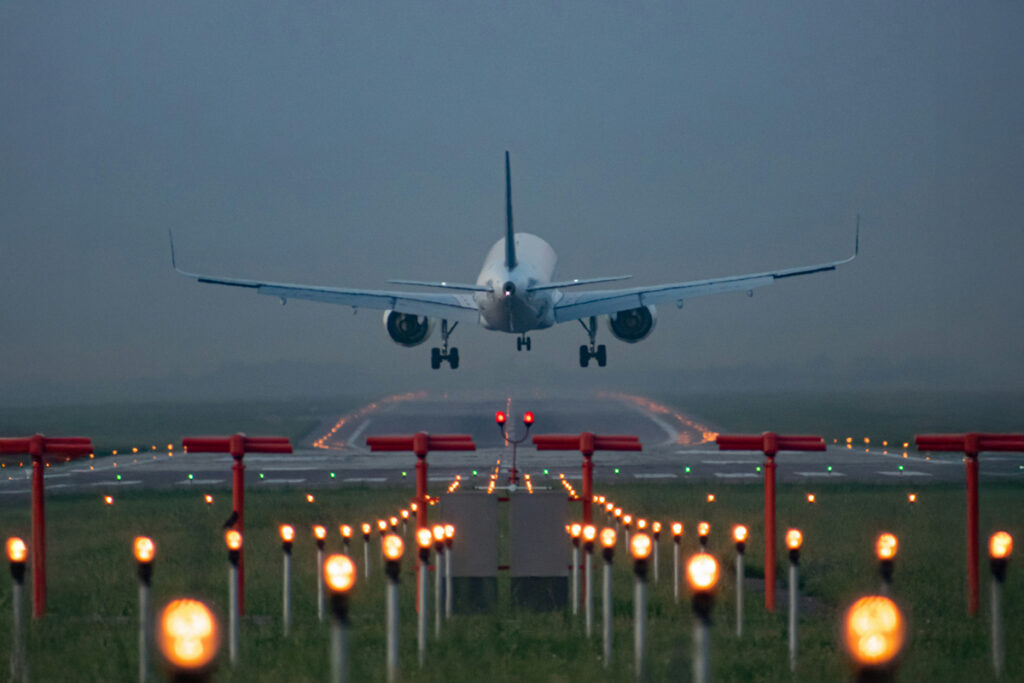
In most jobs, a mistake isn’t lethal, but for air traffic controllers, that’s often not the case. A misheard call sign or a wrong altitude can put two aircraft on a collision course. That’s a lot to carry, mentally, and controllers hold that awareness through every shift.
Of course, there are safeguards: Pilots read instructions back to confirm them, radar systems issue automated conflict alerts, and aircraft carry their own collision-avoidance systems. But knowing a backup exists isn’t a guarantee accidents won’t happen.
Extreme Cognitive Load
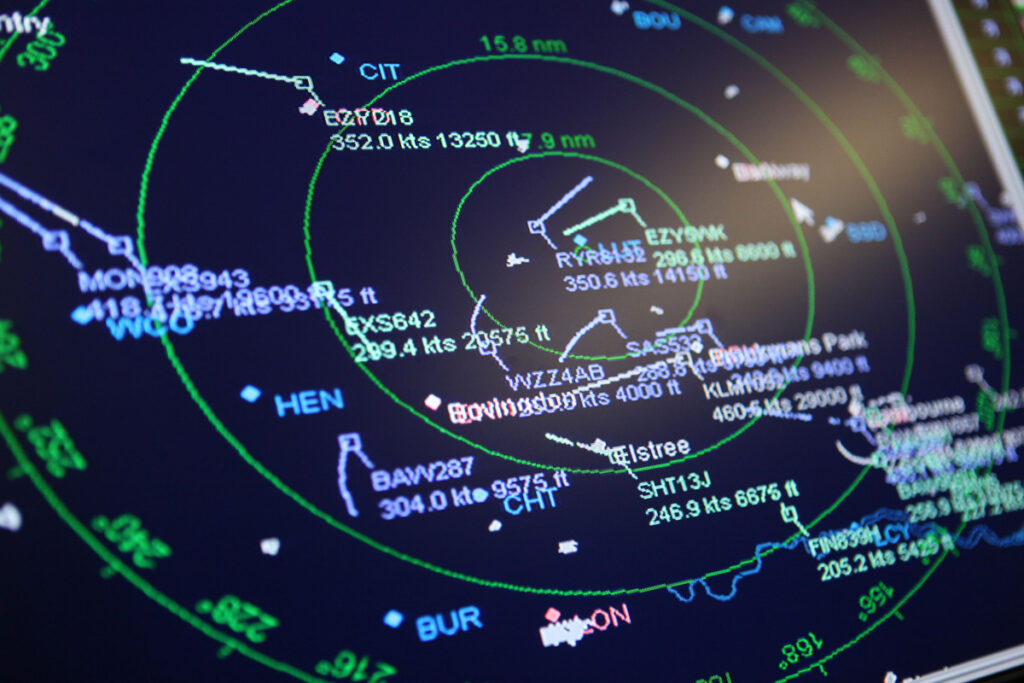
Controllers track aircraft moving through three-dimensional space on a two-dimensional screen. Each blip on the display carries its own altitude, speed, and heading. The controller has to know not just where each plane is, but where it will be a few minutes from now — all while talking on the radio, listening for readbacks, and coordinating with other controllers.
Picture merging onto a busy, multilane highway. Now think about doing that for a dozen planes at once, all of which are traveling at different heights, speeds, and in different directions.
So the next time your pilot announces you’re “number four for takeoff,” hold your groan and know that a lot of people are working very hard, under very tough conditions, to keep you safe.