NATURE
Why Does Rain Smell So Pleasant?
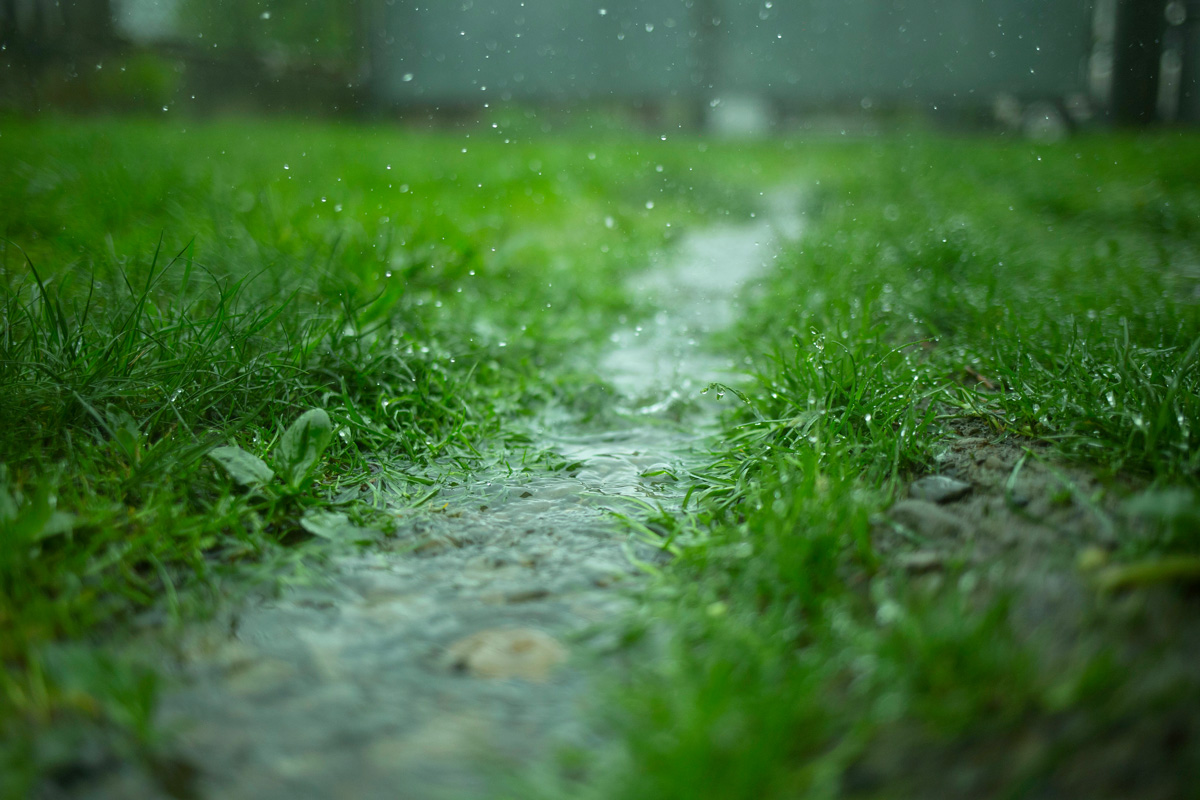

Peruse the scented candle aisle or the various names of fabric softener options and you’ll likely see some variation of “rain” — “morning rain,” “spring rain,” and the like. It’s a common fragrance because many people love the smell of rain — a distinctive aroma that feels fresh and clean despite its earthiness.
There’s actually a name for this scent: petrichor. The word combines petros, Greek for “stone,” and ichor, the golden fluid that, according to Greek mythology, flowed in the veins of ancient gods instead of blood.
But this beloved smell isn’t the rain itself. Instead, it’s produced by something else — the rain simply unlocks the scent.
A Dirty Smell
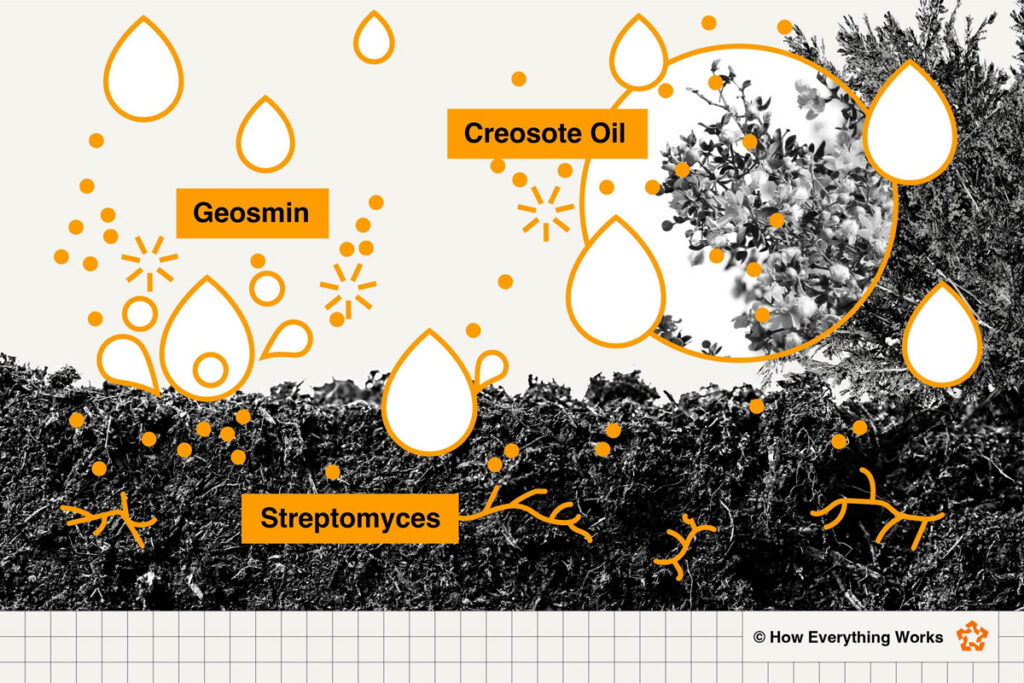
Rather than the water falling from the sky, you’re actually smelling a chemical that’s released from the ground beneath your feet. Streptomyces is a genus of bacteria found in soil that helps with the decomposition of organic matter. These bacteria produce geosmin, a compound with an earthy scent that attracts insects and other invertebrates, which in turn help distribute the bacteria.
Humans are extremely sensitive to geosmin, detecting it at concentrations of less than 10 parts per trillion, which is about the equivalent of a teaspoon in 200 Olympic-sized swimming pools.
When it rains, the water droplets hit the soil and release geosmin as aerosols, floating particles that carry scent. It’s when you inhale these particles that you perceive — and enjoy — the fragrance. That enjoyment may have a psychological component, as well, since rainfall can have positive and calming associations. It may even provide a sense of relief, as it often follows hot or dry conditions.
It Varies by Region
The earthy aroma produced by geosmin is likely what you conjure when you picture the smell of rain. Then again, that may also depend on where you live, as certain types of precipitation beget different kinds of scents.
The scent of desert rain can be especially intoxicating. One contributor to that distinctive aroma is the creosote bush, a shrub native to the American Southwest. It covers its leaves in aromatic waxes and oils to prevent water loss and protect the plant from the harsh climate. When the leaves get wet, they release those compounds. The smell of rain isn’t from the water droplets or what they carry from the sky (usually). Rain releases compounds produced by plants and soil microbes, which then waft into the air as aerosols. One such compound is geosmin, which has a distinct, earthy smell that humans can detect even in very low concentrations. There is likely a psychological association with this smell, as rainfall is often calming and a relief from hot or dry conditions.
Other plants produce oils to prevent seed germination, which may serve to limit competition for water in times of drought. These oils seep into rocks and soil, and their scent is released when it rains. So whatever climate you’re in when it rains, you’re smelling a combination of geosmin and other compounds specific to the local vegetation, meaning that the smell of rain can be unique to wherever you are — your own backyard may even have its own take on petrichor.
In the case of a thunderstorm, there’s an extra layer to the scent. Lightning heats the air and creates a gas called ozone. Ozone has a sharp, clean smell that’s often compared to chlorine in a swimming pool. (In fact, the word is derived from the Greek word “ozein,” meaning “to smell.”)
Some people don’t want to wait for the sky to open to enjoy the smell of rain. Perfumers have tried to bottle the aroma of fresh rain, using geosmin or creosote as ingredients in fragrances. You can buy a variety of such candles, room sprays, and perfumes online — but nothing can compete with that first deep inhale after the clouds part.
Short Answer