ENGINEERING
Are Slot Machines Actually Random?
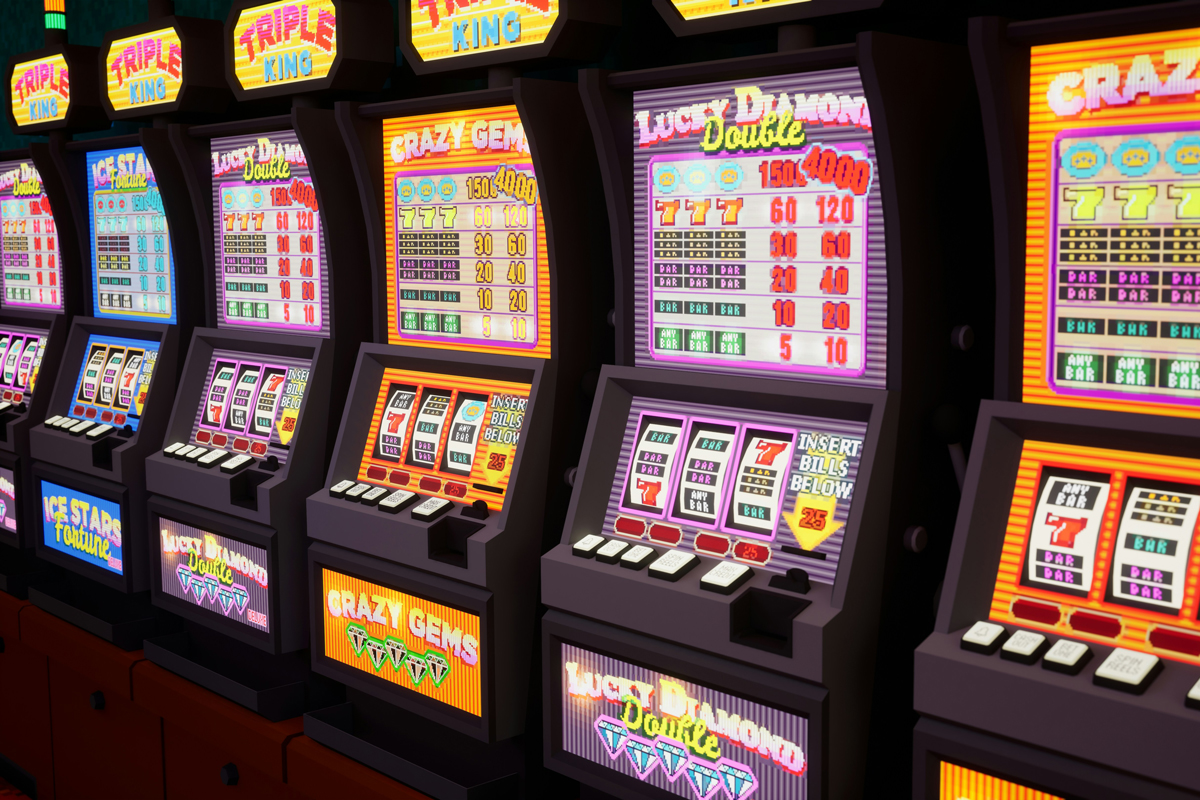

You sit down thinking that lining up three cherries is only a matter of time, only to find your luck is in the pits. That’s an all-too-common experience when giving the slots a spin.
Not every pull can be a win, but it may seem like if you play enough times, you’re bound to hit the jackpot eventually. But are slot machines truly random?
Simply put, no, they’re not. The game is programmed to guarantee some profit for the casino, and if that shocks you, you may want to consider hanging out at the pool or checking out the nearest Elvis impersonator instead. Here’s a look at how slot machines actually operate.
How Slot Machines Work
Slot machines are programmed using random number generators (RNGs) that produce each individual outcome. There are two main types of RNGs, the first of which is truly based on chance. It outputs authentically random results that aren’t influenced by any external factors — cherries here, a bell there, maybe three sevens if you’re lucky.
However, casinos typically avoid these types of RNGs since they run slower than available alternatives, thus limiting how many times you can spin (and pay to spin) per hour. Instead, most slot machines rely on what’s called a pseudo-random number generator. These produce outputs that are seemingly random and impossible to predict, and at lightning-fast speeds. But they are based on an algorithm running behind the scenes that influences each spin.
A slot machine’s software is constantly generating numbers at all hours of the day, even when nobody’s playing, sometimes cycling through tens of thousands of options every second.
One number is assigned to each reel of a slot machine — if that number is, say, 14, the reel will always stop at a specific point — a triple bar, for example. Old-school slots send electronic pulses to physically stop reels based on the number just generated, while newer digital displays are just told where to land.
When you pull the lever (or press the button) to initiate a spin, the machine outputs a result based on whatever number had just been cycled through by the algorithm. In some ways, this makes playing slots similar to playing roulette.
Slot machines cycle between as many as 4 billion distinct options. But, it’s impossible for you to know what your number is going to be at any given time, and with so, so many possible options, the result still feels 100% random in practice.
The Numbers Are Random, The Odds Are Not
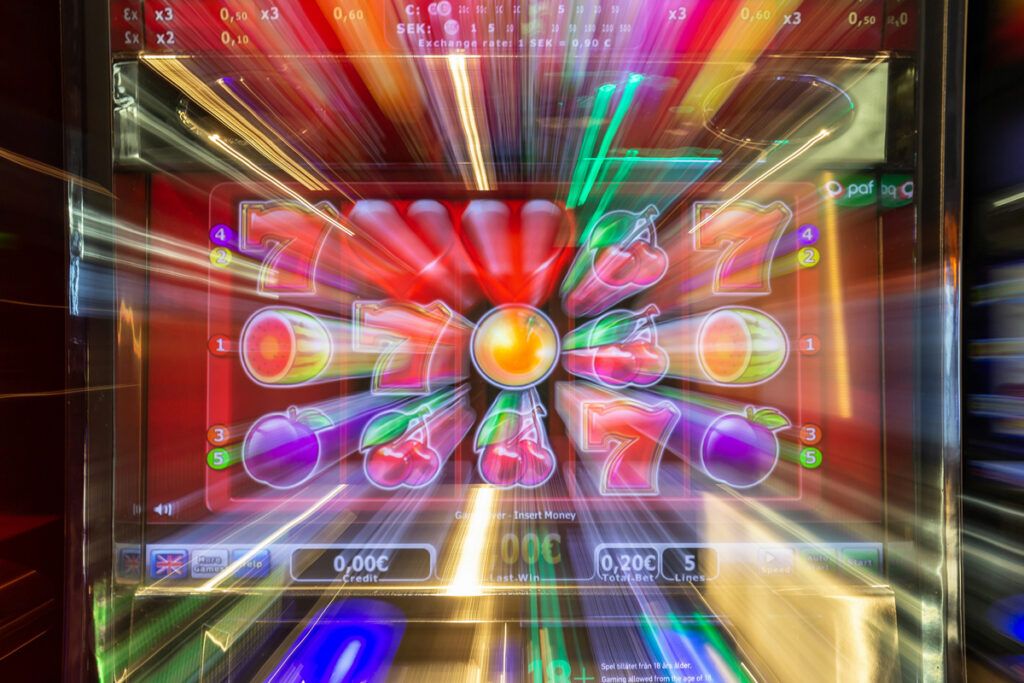
However, a greater percentage of numbers are assigned to stopping reels in such a way that payouts will be lower (or zero), while big jackpots will be pretty rare. That’s legal and how the house makes money, but what the casino can’t do is decide which number you get when you make your spin — the jackpot is always in play.
Even a pseudo-random number generator guarantees that each spin will be completely independent from all prior spins. While the odds of hitting a jackpot two spins in a row might be one in 4 billion, it’s technically still possible based on the internal software.
RNGs are regulated by third-party gaming commissions to ensure there’s no way for the casino to meddle. That said, casinos do set a payback percentage that has to be approved by each state gaming commission. This typically sits at 82% to 98%, and it tells you how much the slot will pay out over its total lifespan.
For example, a slot machine with a 92% payback percentage will theoretically return $92 for every $100 wagered, but this doesn’t mean you’ll win exactly that on any given session. That’s because the payback percentage is the long-term average calculated over millions of spins.
This is how casinos make guaranteed profits on slots: the percentage always sits below 100%, ensuring the machine will inevitably take in more cash than it pays out. In that sense, even if the spins are essentially random, your luck is not.
Slot machines constantly run pseudo-random number generators in the background, with each number assigned to a specific spin result. When you spin or stop a slot machine, the result is whatever number it’s cycling through at the moment. This gives off the perception of true randomness, as it’s impossible to predict or manipulate what number you’ll stop on. However, most numbers are assigned to zero or low payouts, with jackpots few and far between. Slot machines are also legally designed to pay out less than they take in over their lifespans.
Short Answer