CULTURE
Why Does Stress Turn Your Hair Gray?

It’d be an understatement to call being president of the United States a tough job. Many seem to age rapidly during their time in the White House, gaining more gray or white hair than you might expect in such a short period of time.
While genes and natural aging certainly play a role in this (presidents often take office in their 50s, when such changes happen anyway), could job stress be contributing to those gray hairs?
That’s what many people worry is happening or will happen to them — and their jobs don’t even involve nuclear codes. So what does the science say?
A Gray Area
Let’s get something out of the way: Despite what happens in stories, it’s medically impossible for hair to turn completely white overnight, no matter how stressful or dramatic your evening is. What’s less clear is whether stress can cause hair to lose color more rapidly over time.
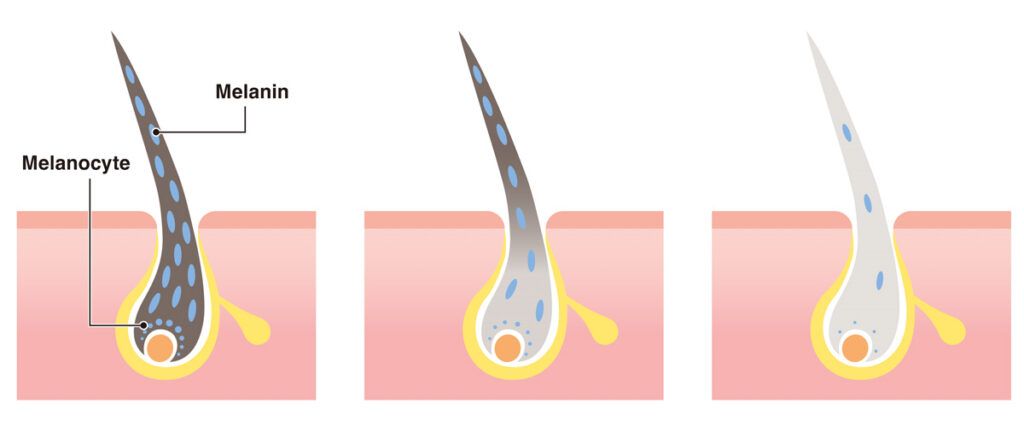
Scientists don’t actually know for sure whether stress can cause gray hairs, and there aren’t a lot of studies about it (perhaps they’re too stressful to conduct). But there are a few theories, including some based on melanocytes and melanocyte stem cells, the cells that produce the pigments that determine hair color.
Melanocyte stem cells, located at the roots of your hair, start to disappear as you get older. A 2020 study published in Nature showed that stress can also cause a loss of melanocyte stem cells in mice. Stress releases a chemical called norepinephrine into a hair follicle that depletes the stem cells in the follicle involved in producing color. Because there are no cells that produce color left, new hair grows in gray or white.
In 2021, some of the same researchers grew human hair follicles in a lab before exposing them to stress factors such as radiation and hydrogen peroxide. The melanocyte stem cells showed high levels of norepinephrine, supporting the idea that stress can cause hair to turn gray.
So that’s in the lab. But how does that translate into the real world? Perhaps the closest we’ve come to understanding that is a small 2021 study published in Cell Biology in which scientists collected strands of hair from 14 people.
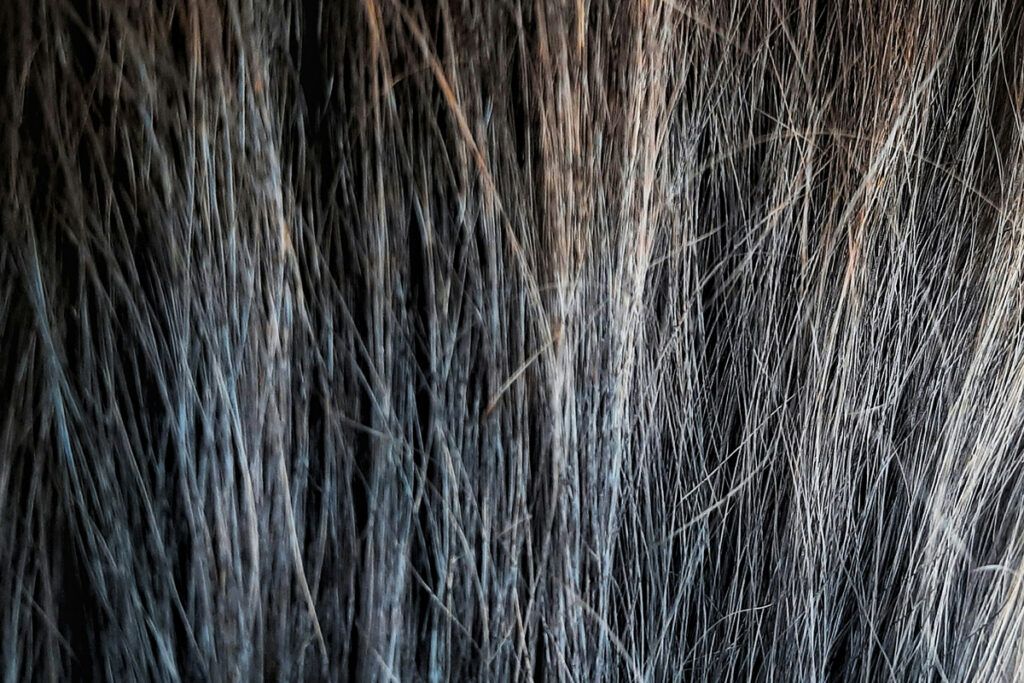
The researchers developed a way to measure small color changes along a single strand of hair over time using highly detailed digital images. These images were mapped against stressful situations in the subjects’ lives. The study found that there was often a link between graying hair and a stressful life event.
The way hair cells produce and manage energy may also be involved in graying. Mitochondria, the parts of cells that make energy, rely on proteins to do their job. The researchers in the 14-person study found that the levels of certain proteins found in hair are changed when the hair becomes gray. Some proteins become more prevalent, while production of others is reduced, affecting metabolism and other functions.
While the study involving mice had found that gray hair was not reversible, this small human study found that hair sometimes regained color when the stress was lifted. This was more likely to be seen in younger subjects, though.
So if you’re self-conscious about your graying hair, don’t let this stress you out — it may only make things worse. And if you can, try to avoid being elected president.
When you’re stressed, your body releases a chemical called norepinephrine that may reduce the number of pigment-producing cells in your hair follicles. New hair growing from these follicles will have no color. However, more research is needed to determine whether there is a definitive link between stress and gray hair.
Short Answer