HEALTH
What Exactly Is a Virus?
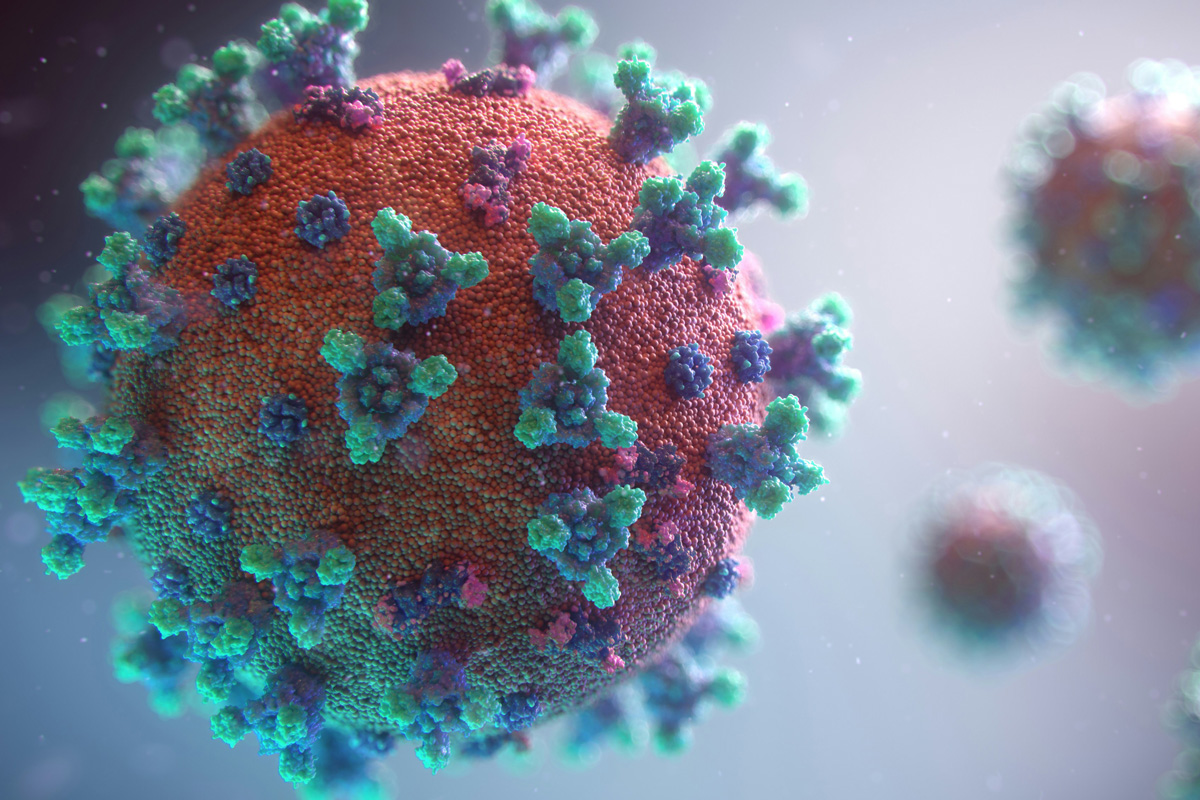

You wake up with a scratchy throat. By afternoon, your head aches, your nose is running, and getting off the couch feels like a major undertaking. The culprit may be a virus, but knowing its name does little to explain what has invaded your body. Without a host (that’s you), a virus is powerless. Yet once it reaches the right cell, it can multiply, spread, and leave you reaching for the tissues and the thermometer.
A virus is not a tiny animal. Nor is it bacteria, which is why antibiotics won’t get rid of it. A virus is in a category all its own — and it’s up for debate whether or not it’s even alive. So how does it cause so much trouble?
A Tiny Package of Instructions
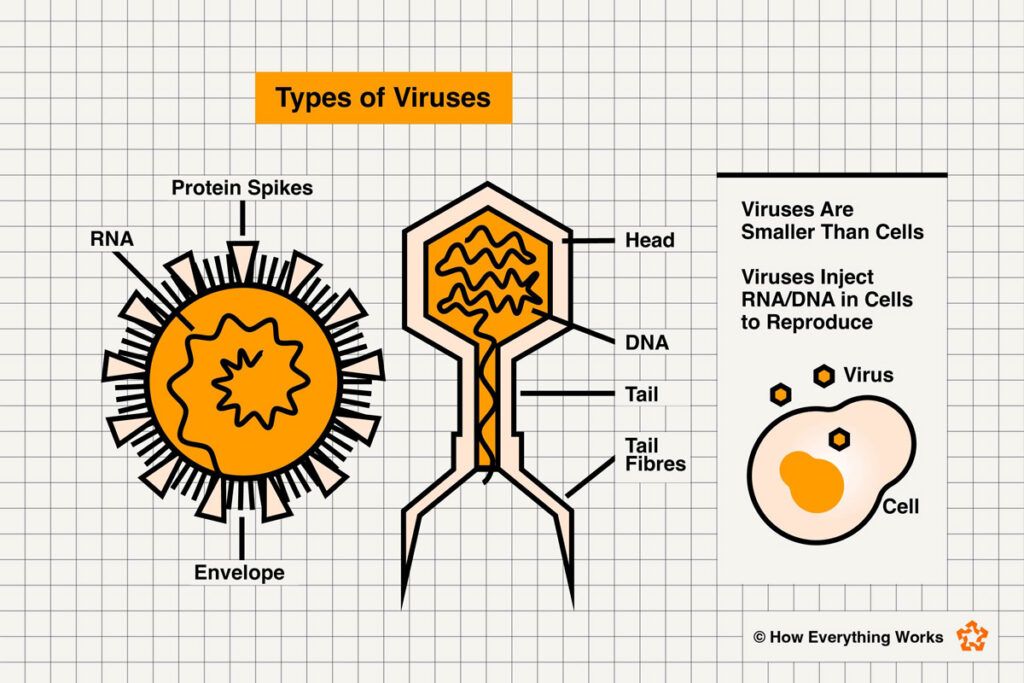
At its simplest, a virus consists of genetic material that is either double-stranded (DNA) or single-stranded (RNA), which is enclosed in a protective protein shell called a capsid. Some viruses also have a fatty outer envelope studded with proteins that help them attach to and enter cells.
That’s about it. Viruses have no organs, no cells, and none of the molecular machinery that living things use to turn food into energy. Most are also tiny, and much smaller than bacteria: While a typical bacterium is around 1 to 2 micrometers across (1 micrometer equals one-millionth of a meter), many viruses measure somewhere between 20 and 300 nanometers (a nanometer is a thousand times smaller than a micrometer). Thousands could fit across the width of a single human hair.
Despite this simple construction, viruses come in an assortment of shapes and appear downright alien when viewed under a microscope. Some have 20 triangular faces. Others are helical (tube-shaped), with their genetic material coiled inside. Bacteriophages — viruses that infect bacteria — can look surprisingly mechanical, with geometric heads, spider-like legs made of fibers, and tails used to inject genetic material into their hosts.
Are Viruses Alive?

Scientists do not have a universally accepted definition of life, which makes the status of viruses difficult to settle. Viruses possess genes and can reproduce, mutate, and evolve through natural selection — all characteristics associated with living things. But they can’t do any of these activities independently.
A virus sitting on a doorknob is not breathing, feeding, growing, or using energy. In fact, it isn’t doing anything. It becomes biologically active only after reaching a compatible living cell. For that reason, viruses are sometimes described as existing “on the edge of life” rather than being obviously dead or alive.
One way to think of a virus is as a set of operating instructions without a computer to run them (it’s not a coincidence that a computer “virus” works in a similar way). The information is there, but nothing happens until the virus finds compatible machinery. When it does, it takes over — and that’s how it makes you sick.
How Viruses Hijack Cells
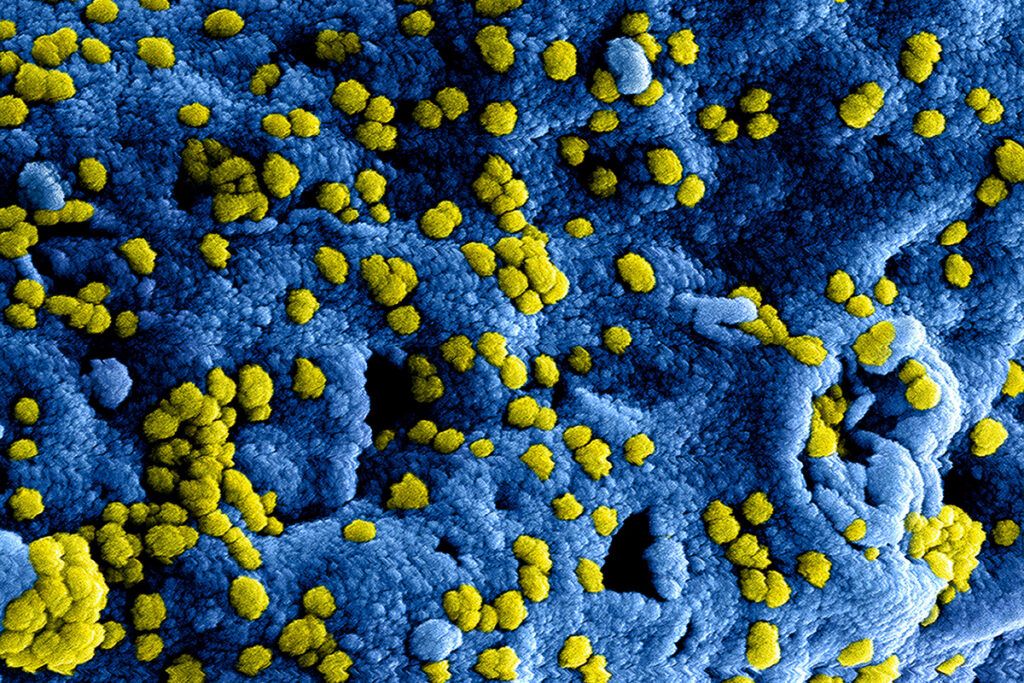
A virus cannot enter just any cell. Proteins on its surface must match specific receptors on the cell, much like a key fitting a lock. These cell receptors normally perform useful jobs for the host, but a virus can exploit them as entry points. This selectivity helps determine a virus’s host range — which is why certain animal species or parts of your own body won’t always get infected by a virus even after coming into contact with it.
Once attached, the virus or its genetic material enters the cell. Its capsid comes apart, releasing the viral DNA or RNA. Those genetic instructions then redirect the cell’s normal machinery, forcing it to copy the viral genome and manufacture viral proteins. In effect, the virus turns the cell into a factory for making more viruses.
The new components assemble into complete virus particles, which escape to infect additional cells. Some viruses burst out, destroying the host cell in the process. Others bud through the cell membrane, sometimes wrapping themselves in a piece of that membrane to create an envelope. Still others can remain latent for years, hiding inside cells before becoming active again, as herpesviruses do.
There’s No Single Kind of Virus
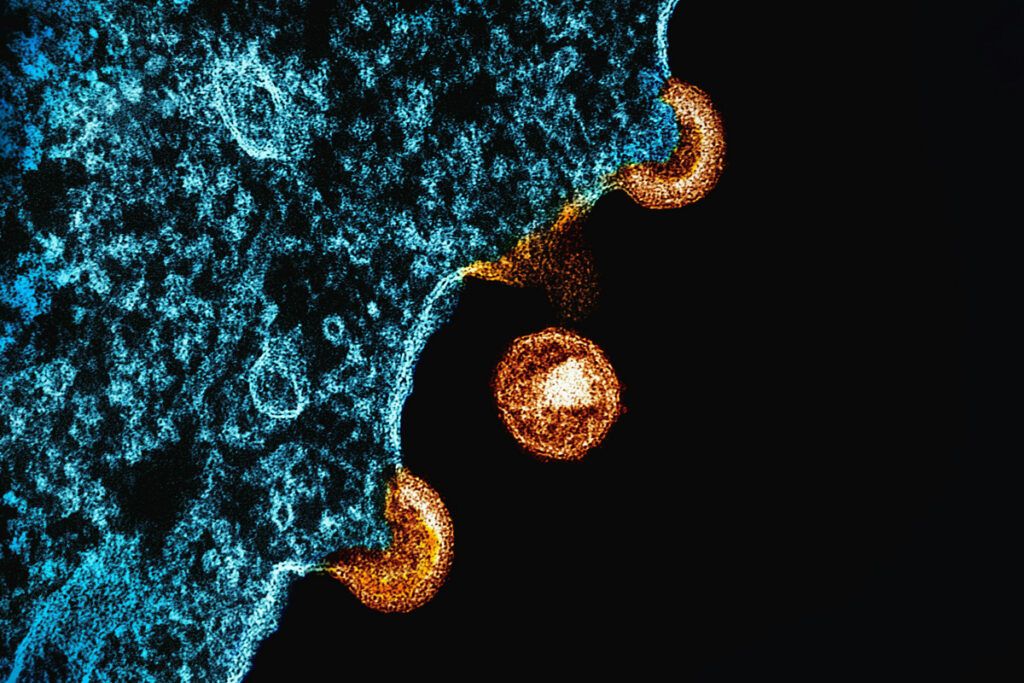
Viruses are often divided into two broad groups according to whether they carry DNA or RNA, and different viruses use different strategies to copy it. Retroviruses such as HIV, for example, carry RNA but convert it into DNA after entering a cell.
That DNA can then become integrated into the host’s genome. In fact, 8% of human DNA comes from ancient viruses that infected our ancestors and made themselves part of our permanent genetic makeup. Other viral remnants may constitute another 40% of our genome.
Viruses also vary in size, shape, structure, and behavior. Some lack an envelope, while others have one. Some produce brief illnesses, while others remain in the body indefinitely. Even closely related viruses can infect different organs or cause radically different diseases.
This diversity helps explain why antiviral drugs can be difficult to develop. (Remember: Antibiotics work against bacteria, not viruses.) Because viruses perform much of their work using the host cell’s machinery, an antiviral medication must somehow disrupt the virus without also damaging the cell it occupies, which is no easy task.
Fortunately, many viruses have distinctive enzymes or stages in their reproductive cycles that medications can target. The virus that causes COVID-19, for instance, has an especially distinct spike protein that makes it easy to stick to human cells but also much easier for the immune system to identify, making it possible to develop a vaccine.
Viruses Infect More Than Humans
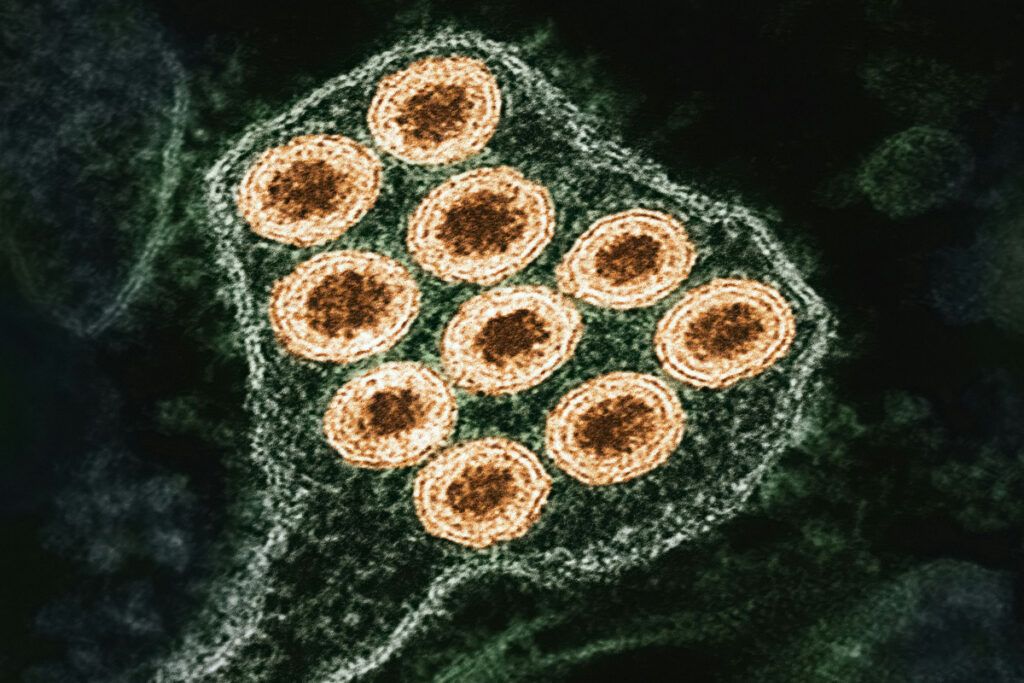
The viruses that infect humans represent only a small fraction of those on Earth. Viruses also infect other animals, plants, fungi, single-celled organisms, and bacteria. Many can infect only a particular species or type of cell, while others cross species boundaries. Influenza and rabies viruses, for instance, can infect multiple animals because different species have sufficiently similar cell receptors.
The most abundant viruses on Earth are probably bacteriophages, also called phages. They are found virtually anywhere bacteria live, including oceans, soil, and the human body. By infecting and destroying bacteria, phages help regulate microbial populations, just as wolves keep deer populations in check.
Viruses can also move genes between organisms and influence how their hosts evolve. Far from being merely agents of human disease, they are major players in the planet’s ecosystems.