CULTURE
What’s the Difference Between ‘Best By’ and ‘Use By’?
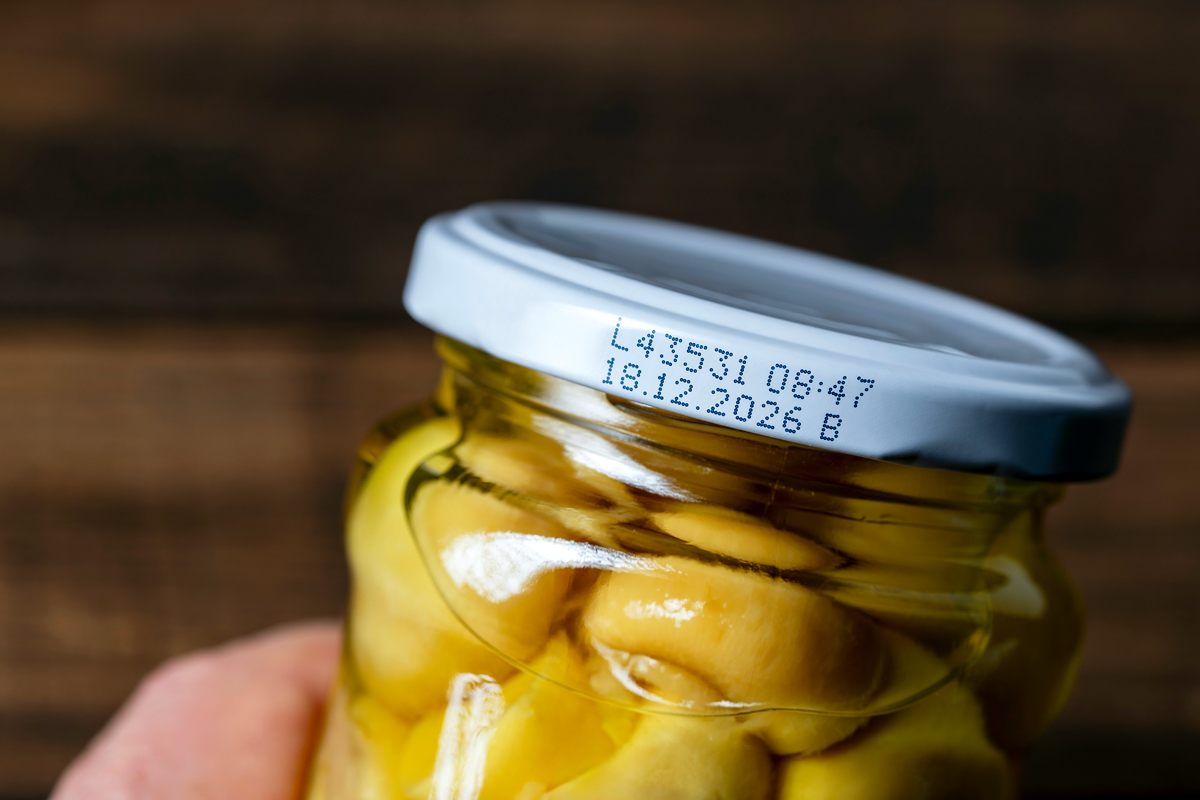

You’re cleaning out your kitchen cupboard, and you spy a can of crushed tomatoes. Now you’re thinking that some spaghetti bolognese is a great idea for tonight’s dinner. But then you notice the “best by” date stamped on the can, and it was more than two months ago. So, should you toss it or keep it?
Would that answer be any different if, instead of “best by,” the date were labeled as “use by”? What about “sell by”? Food product dates can be mysterious, especially considering there’s no federal law regarding product dating, except for infant formula.
That means these dates are not guided by any uniform, top-down regulation, which may explain the wide variety of qualifiers you see on products as you peruse the supermarket. Even though the U.S. Department of Agriculture (USDA) doesn’t set these dates, it does helpfully explain some of them. Here’s a rough breakdown.
Some Dates Are for the Store, Not for You
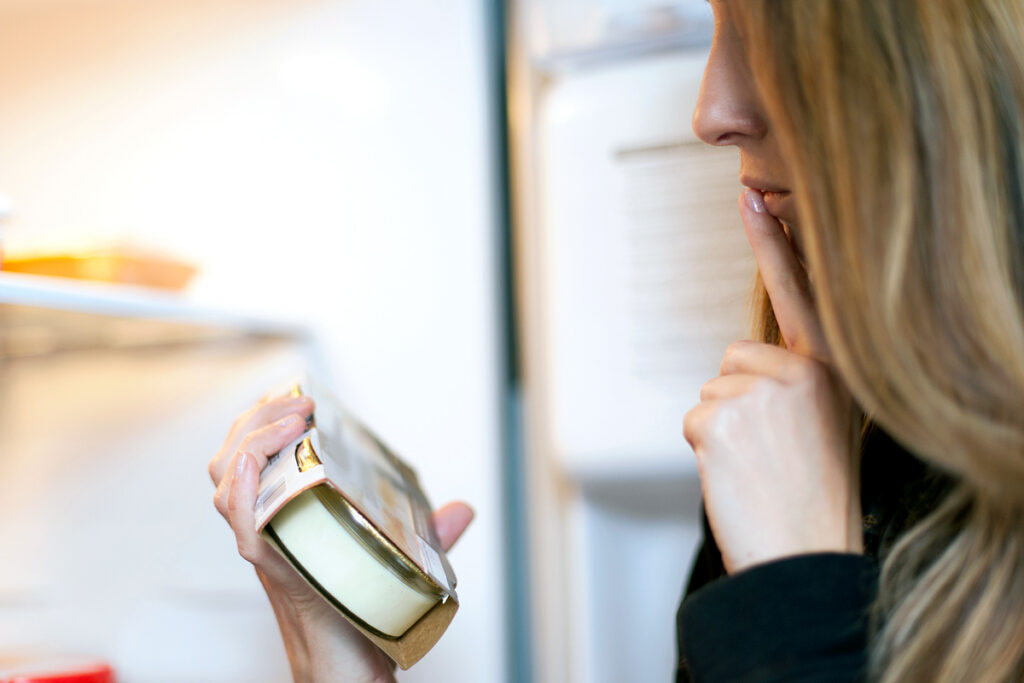
The USDA doesn’t set any “expiration” dates for food. Instead, the dates are all provided by the manufacturer, packer, or distributor, and not all dates are intended for the same audience.
The terms “best if used before” and “best by” aren’t referring to the date the food will spoil, but rather when the product may lose flavor or quality. According to the USDA, this is not the date you need to eat it by — if you don’t mind a potential taste difference, which will likely be negligible shortly after the date, especially for nonperishables.
The term “use by” also indicates the last date recommended for using a product if you want to experience its peak quality. While “best by” is often found on canned goods, condiments, cereal, and dry goods, “use by” is most often used for perishable items, such as meat, eggs, and yogurt.
“Freeze by” is essentially the same as “best by” and “use by,” indicating that you should freeze the product by that date if you want it to still have high quality when you thaw it.
It’s very important to note that there is one product where “use by” is considered an actual expiration date: infant formula. This is an important distinction, because infant formula is required by federal law to have a “use by” date.
The “use by” date on baby formula is based on an analysis of its shelf life and provided by the manufacturer. According to the U.S. Food and Drug Administration (FDA), you should make sure to always read and adhere to the storage and disposal guidelines printed on any baby formula you’re using.
While “use by” is a date intended for consumers, the “sell by” date is a deadline meant for the retailer stocking the product. (This makes sense, since you likely don’t intend to resell the apples you just bought.) It tells the store how long to display the food on shelves, and is often seen on fresh or prepared foods.
Again, this doesn’t mean that after the “sell by” date the product is no good — only that it may lose its attractiveness or flavor. Of course, food does eventually spoil and shouldn’t be eaten — but this cutoff point doesn’t tend to match the dates stamped on its packaging.
How To Tell if Food Is Safe To Eat
You see some frozen steak marked down at the grocery store when it’s near the “sell by” date. Score! Or not? That meat should be fine, especially if you’re going to stick it in your own freezer when you get home. (How food is handled can matter even more than the “sell by” date, but that’s a whole other story.)
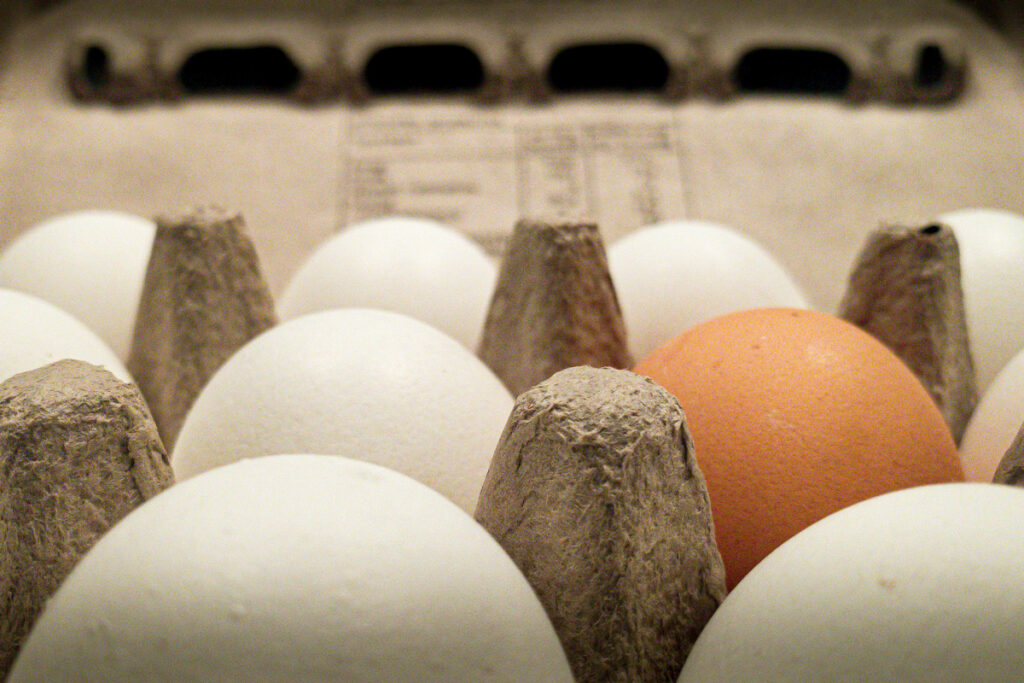
For instance, the Ohio Farm Bureau says that pasteurized milk can last 2 to 5 days after the “sell by” date if it’s kept at or below 40 degrees Fahrenheit. According to the USDA, eggs can be eaten 3 to 5 weeks after the “sell by” date if kept in the fridge and certain canned foods can last months, if not years, if stored properly.
Conversely, some foods may not be safe to eat even if their “best by” date hasn’t arrived yet. For instance, you don’t want to eat food from dented or bulging cans. This could mean harmful bacteria have contaminated what’s inside, producing gas as a byproduct that warps the cans from the inside. If food has mold (such as bread or fruit), feels slimy, or smells funny, these are all signs of fungal or bacterial contamination and could cause you to get sick from eating the food.
California Uses Different Definitions for the Same Labels
In 2026, California became the first state to standardize food dates — banning “sell by” outright and defining “best if used or frozen by” to indicate peak quality. Crucially, it added a date that does tell you whether or not something is safe to eat: “use or freeze by.”
It doesn’t help that these new definitions are so similar — and contradict the USDA definitions used by the rest of the country. But if you happen to be in the Golden State, remember that the inclusion of “best” refers to quality, while “use or freeze by” — without the “best if” — refers to safety.
Until official safety dates are adopted outside of California, the onus of determining whether or not your food is still edible will likely still fall on you — and your own sight and smell test. In other words, you probably won’t need to check the calendar to know if your milk has gone sour.
“Best by” and “use by” dates both tell you when food should be consumed to experience its peak quality. “Sell by” tells a retailer when it should stop displaying the product for sale for the same reason. These aren’t safety dates that indicate when a food actually spoils, nor are they regulated by the federal government (though California now standardizes these labels and includes safety dates). Instead, the dates are often provided by the manufacturer or distributor.
Short Answer