SCIENCE
Why Do Ice Cubes Crack When You Pour Water on Them?
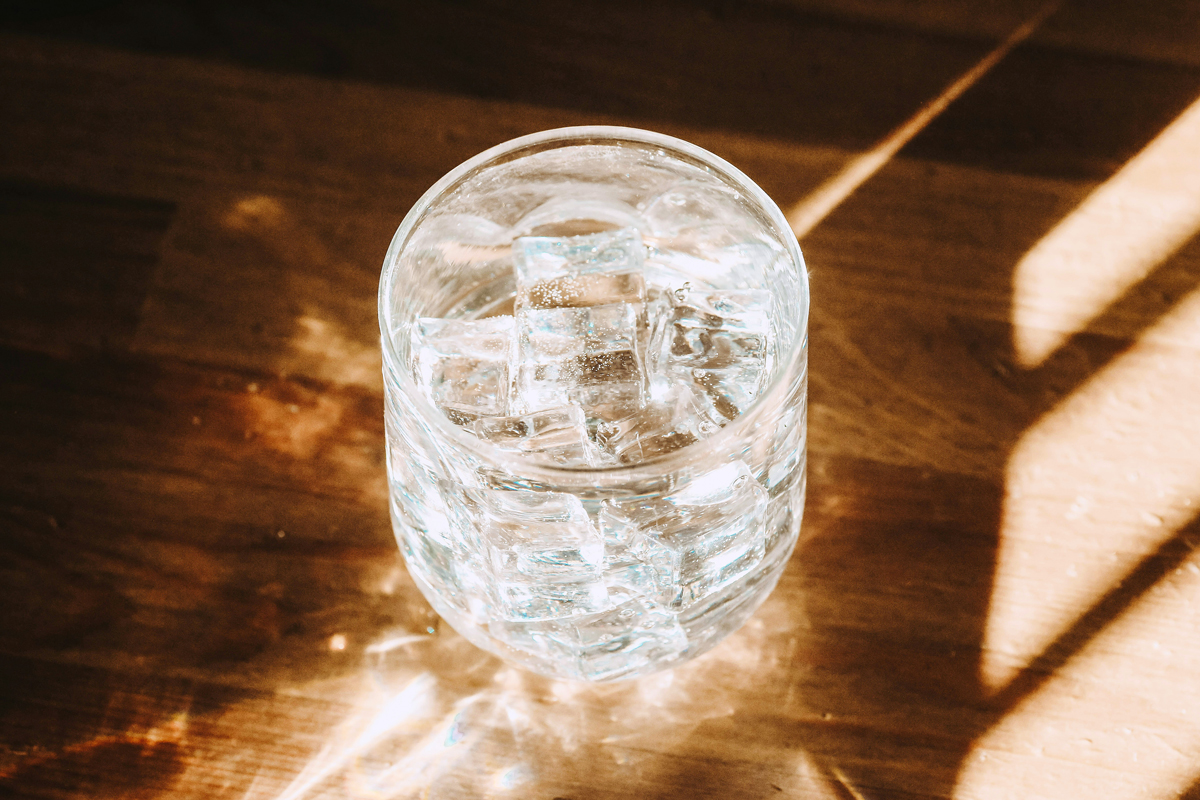

For something that’s supposed to be quietly chilling your drink, ice can be surprisingly dramatic. You fill a glass with ice cubes, turn on the tap, and hear a familiar chorus of snaps and pops. Look closely, and you might see fine cracks suddenly streak across the cubes, or notice one split into pieces.
You don’t need fizzy soda or sizzling-hot water to produce this little kitchen sound show. Plain drinking water can do the trick. But what is the trick? What makes an ordinary pour such a shock to your ice cubes?
Cracking Under Pressure
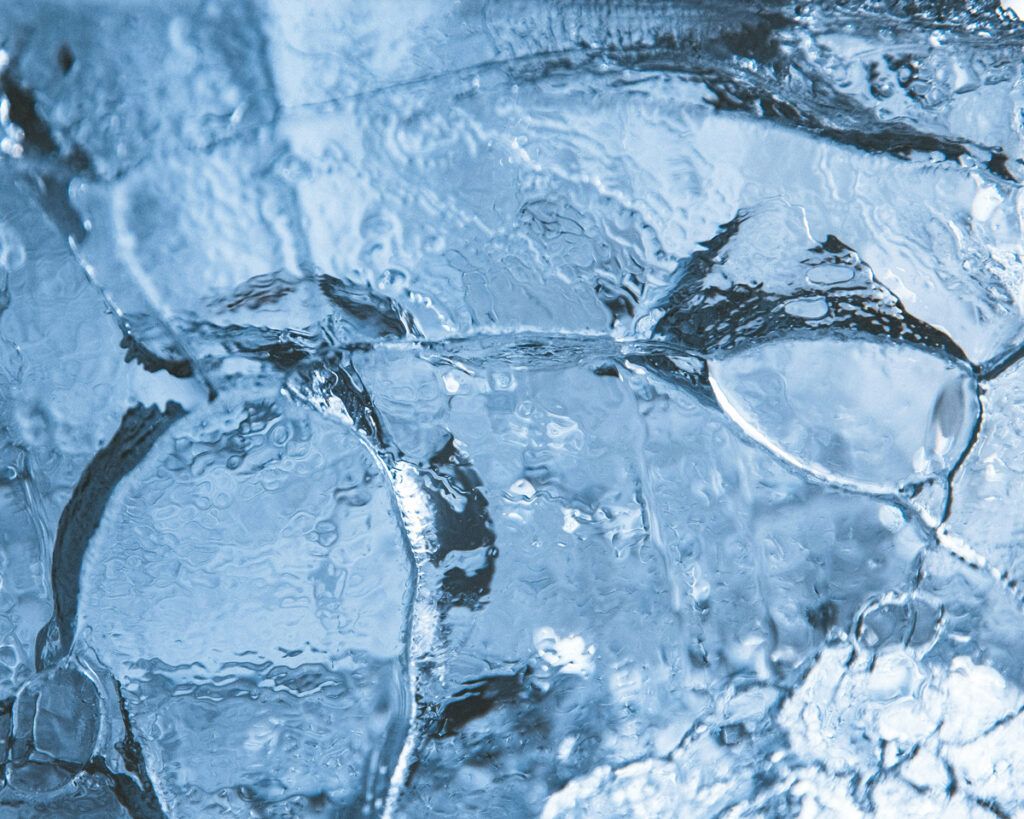
The sharp crackles are the sound of ice breaking under what’s known as thermal stress — stress caused by a change in temperature. Even if you pour a glass from a cold pitcher of water taken from your fridge, the liquid can still be considerably warmer than an ice cube fresh from the freezer. When they meet, the ice warms unevenly, setting the stage for a fracture.
The outside of the cube receives heat first. As that outer ice warms, it expands slightly, while the colder center has yet to catch up. And these two separate parts of the ice can’t just change size without affecting one another — just as you couldn’t make the roof of your house bigger without impacting the walls.
The expanding exterior and the still-cold interior layers constrain one another, creating stress within the cube. Ice is brittle, so when that stress becomes too great, it cracks. Those sudden fractures produce the popping sounds you hear.
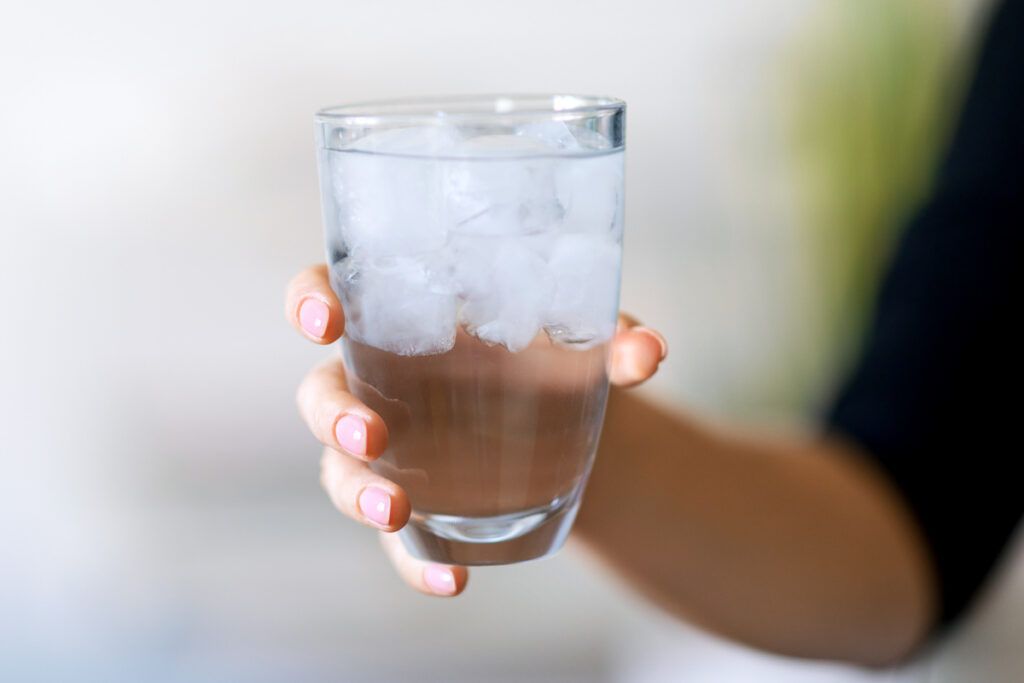
Not every cube responds with an equally enthusiastic crack. Its internal structure matters, too. Tiny imperfections can provide places for fractures to begin. Research on the mechanical properties of ice cubes shows that trapped air bubbles affect their strength, helping explain why apparently similar pieces of ice don’t necessarily behave identically.
The temperature difference matters as well. Letting ice warm a little before adding it to your drink should reduce the abrupt change and make cracking less likely. In other words, if you want a quieter glass, give your ice a little time to adjust before using it — kind of like how you dip your toes into a cold pool before taking a plunge.
Ice crackles when warmer water makes its outer layers heat up and expand faster than its cold interior. That uneven expansion creates stress, which fractures the brittle ice. The snaps and pops you hear are the sound of this fracturing, which occurs unevenly because of tiny imperfections, such as air bubbles, in each ice cube.
Short Answer