ENGINEERING
5 Hidden Safety Features in Your Car
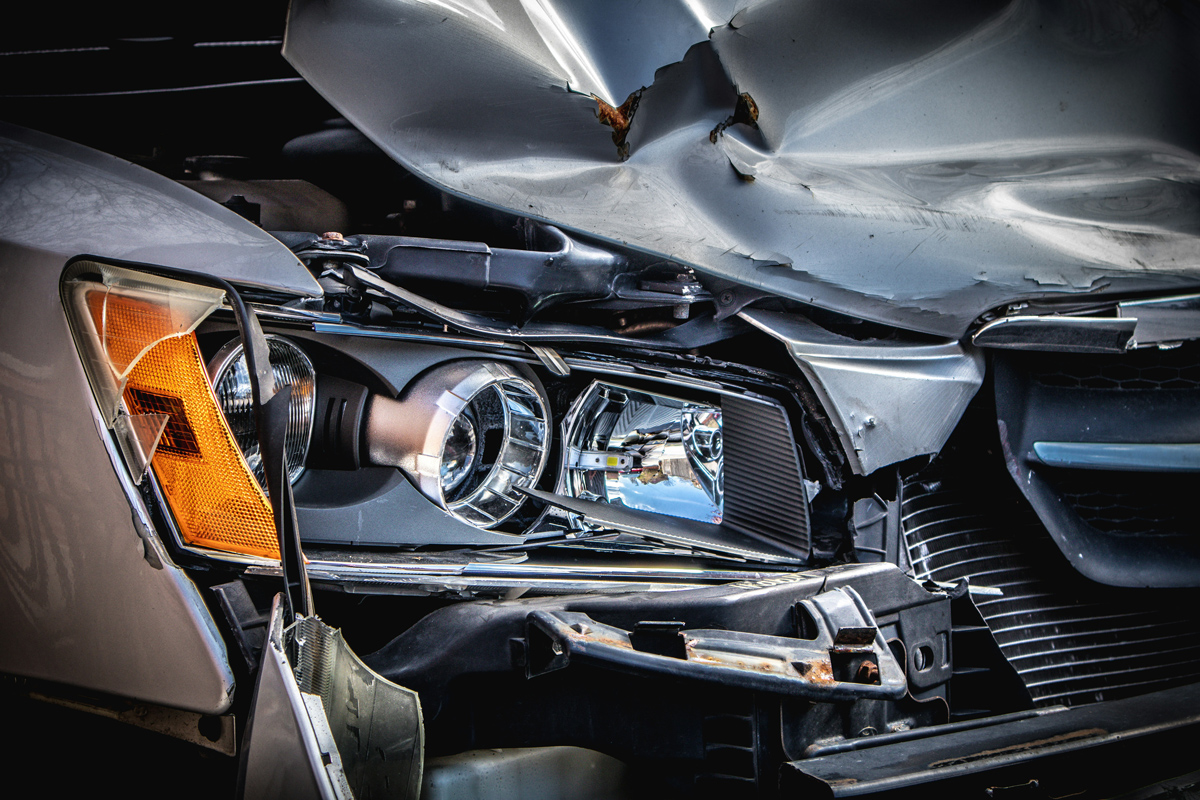

Driving a car is one of the most dangerous ways to travel, coming in second only to riding a motorcycle. Because zipping down highways in a metal box is inherently risky, car manufacturers have spent more than a century slowly increasing the safety of cars, trucks, and SUVs.
Some of those innovations are apparent — all passenger vehicles manufactured after 1968 have required seat belts — but other lifesaving features are tucked away from view or only activate when a crash is imminent. Here are just a few of your car’s hidden features that keep you safe on the road.
Automatic Emergency Braking
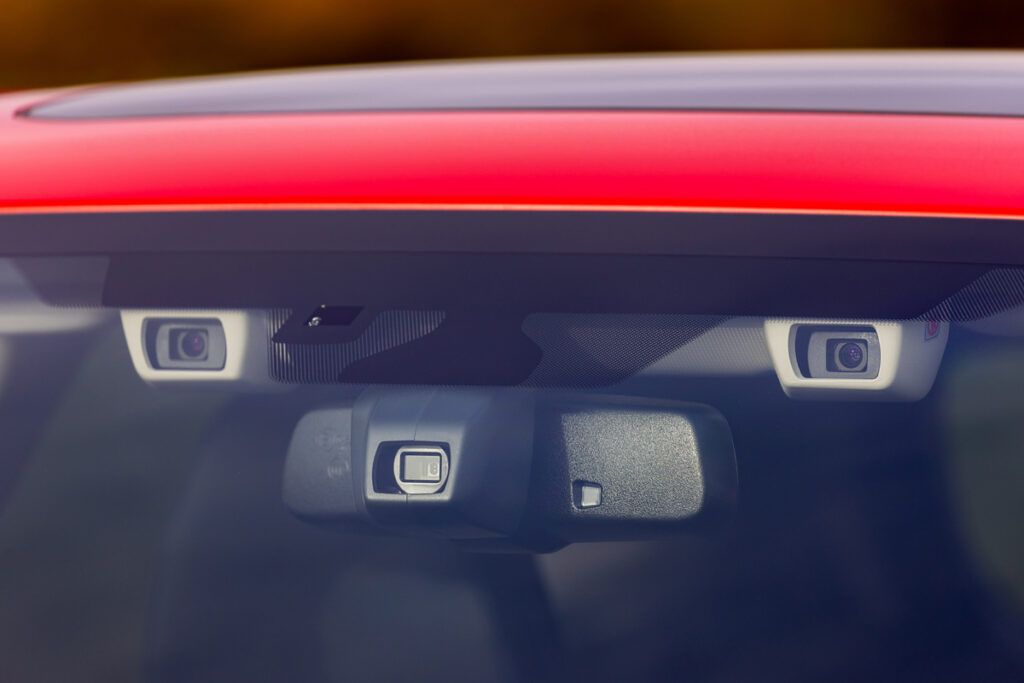
Using an array of radar sensors and forward-facing cameras, automatic emergency braking (AEB) systems may seem futuristic, but the technology’s been around for about two decades. First-generation AEB used millimeter-wave radar to detect vehicles up to 100 meters ahead and calculate their speed and distance. If a collision was imminent, the system would tighten the seat belt and apply more brake pressure to avoid the crash.
Several years later, Volvo introduced a front-facing camera that activated AEB even at speeds lower than 15 miles per hour for enhanced pedestrian safety. Today, most AEB systems include both radar and camera systems, and some even feature rear AEB to avoid unfortunate run-ins while backing out of your driveway or parking space.
In 2024, the National Highway Traffic Safety Administration (NHTSA) announced that AEB systems would be required in all passenger vehicles starting in 2029 — a change the agency estimates will curtail annual injuries on the road by 24,000.
Airbags
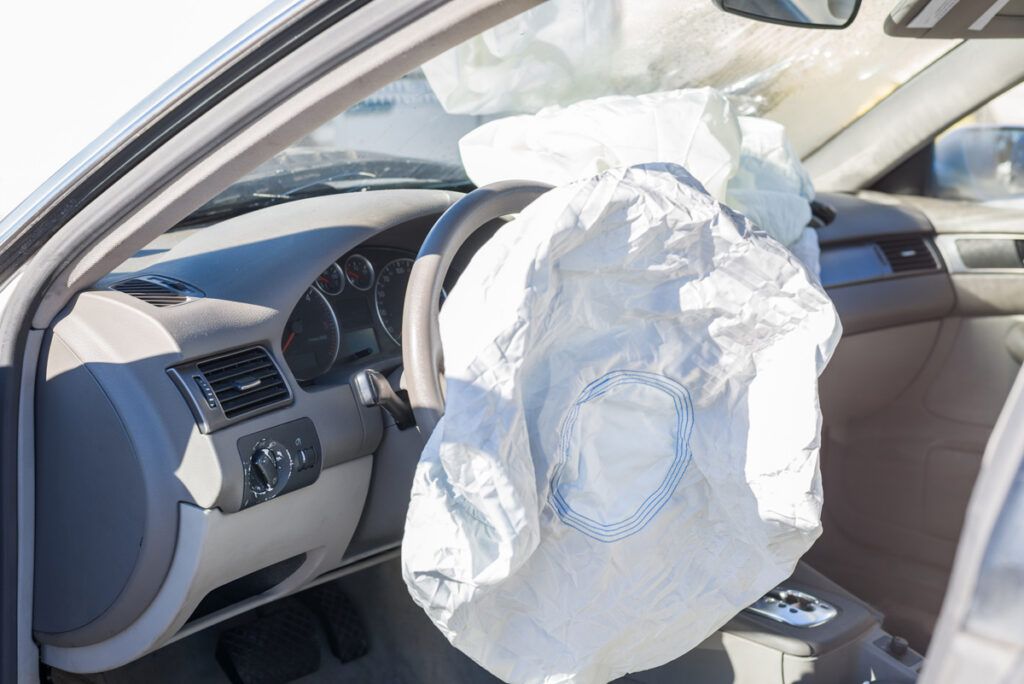
Airbags are something you hope you’ll never need, but will be immensely grateful to have if you ever do. In school you may have learned about the laws of motion, including the one that dictates that an object in motion stays in motion unless acted upon by an outside force.
In a car crash, the vehicle’s momentum is suddenly (and often violently) “acted upon,” but the occupants in the car remain in motion. While seat belts help arrest this motion as much as possible, airbags ensure that whatever object a person hits to stop that momentum isn’t a hard surface, such as a steering wheel or dashboard.
Of course, this all happens in a fraction of a second, so a combination of sensors works in unison to recognize that a crash has occurred, signaling the airbag inflation system into action. Modern cars use guanidinium nitrate and a copper nitrate oxidizer, which allow the bag to rapidly inflate, bursting from wherever it’s stored — steering wheel, dashboard, door panels, etc. — at a rate of 200 mph before quickly deflating through perforated holes in the airbag itself.
Oh, and that white powder? That’s just talcum powder and cornstarch, which auto manufacturers use to keep the nylon bags from sticking together. The NHTSA estimates that frontal airbags alone have saved 50,000 lives over a 30-year period.
Crumple Zones
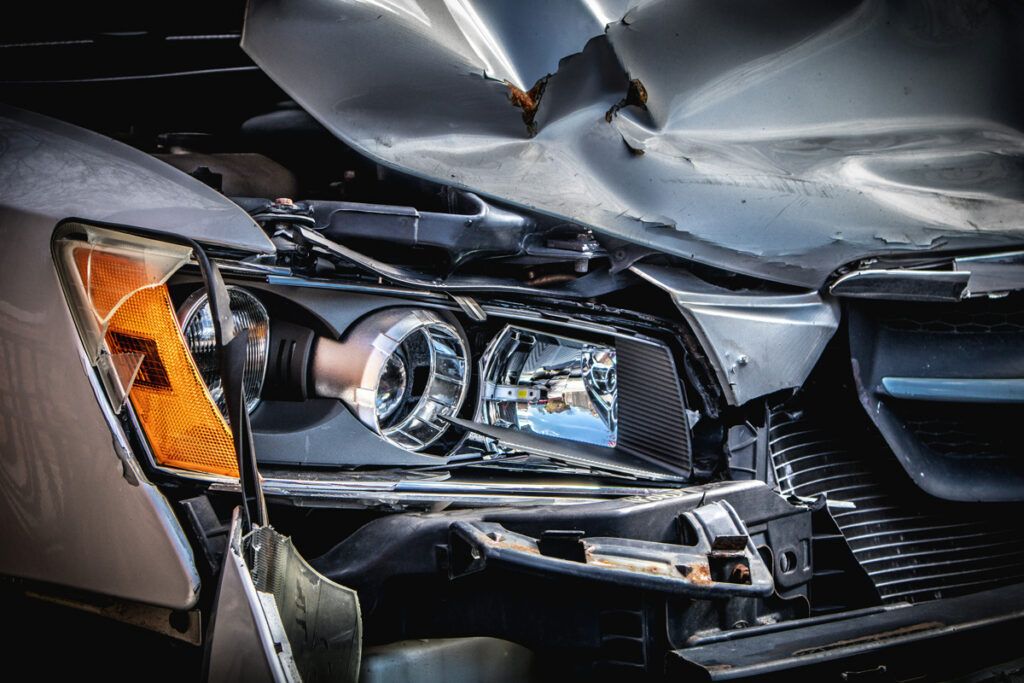
When you drive by a car crash, you’ll likely see that the cars’ front and rear sections look particularly gnarled. This is a feature, not a flaw. These are known as crumple zones and were first introduced by Mercedes-Benz (as the “safety body”) in 1959.
Their entire job, as the name suggests, is to crumple during a collision, diverting dangerous kinetic energy away from the passenger cabin and essentially sacrificing the car’s body to save the human one.
Without crumple zones, the kinetic energy of a crash could be transferred directly to the passenger cabin, greatly increasing g-forces and the possibility of severe injury. So while it looks violent from the outside, a massively deformed crumple zone is a sign of a car working to protect its occupants.
Headrests
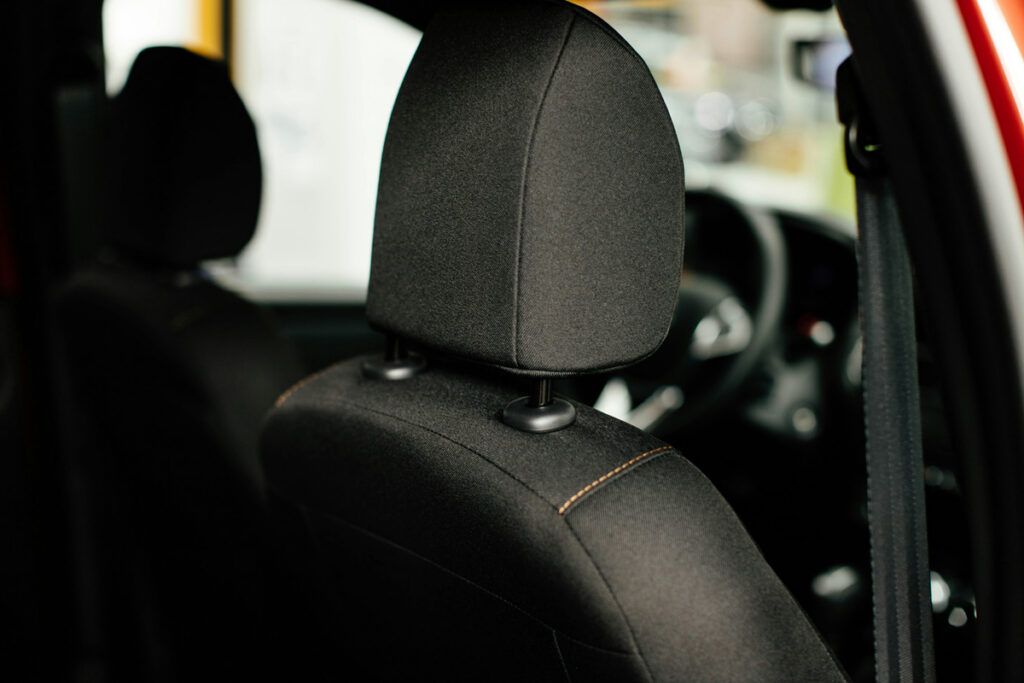
Sit in any modern car, and you’ll likely notice that the headrests don’t seem optimized for comfort. Most are angled forward in a way that makes relaxing on a long road trip less than comfortable. But like most car safety features, those headrests — or as the industry calls them, head restraints — are designed with a very specific purpose. In a rear-end collision, a headrest is crucial. Without it, your lower body would move forward but your head would snap back, risking severe spinal injury.
The NHTSA first implemented regulations around headrests in 1969 and updated them 35 years later, mandating that there not be more than 55 millimeters of space between an occupant’s head and the headrest. Manufacturers began angling headrests forward to meet this requirement, helping to protect passengers from whiplash in the event of an accident.
The Self-Driving Future
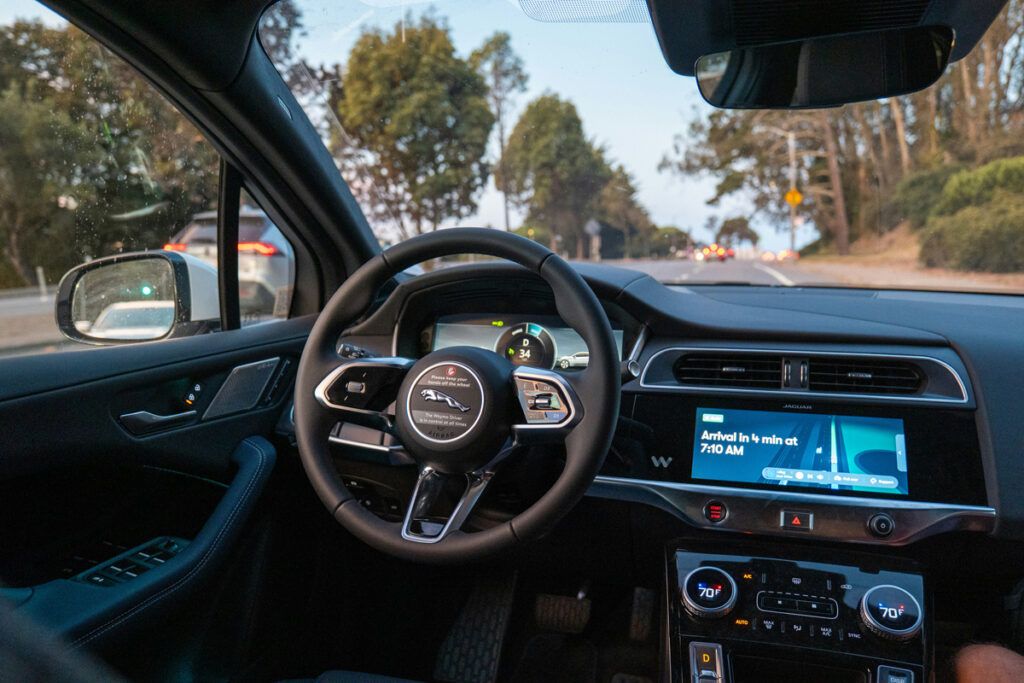
In recent years, cars have started to resemble computers on four wheels. While the utopian vision of synchronized self-driving cars dropping road fatalities to near zero has yet to become reality, some new autonomous features have already had a big impact on safety.
The NHTSA estimates that around 1.3% of crashes are caused by a driver experiencing a medical emergency, while AAA finds that up to 9.5% of crashes involve a driver who is drowsy. In search of technological solutions for these avoidable accidents, Volkswagen developed the Emergency Assist 2.0 feature in 2017.
With this system, a vehicle can sense a lack of inputs from a driver, attempt to grab their attention by jolting the brakes or using audio cues, and as a last resort, turn on the emergency lights and guide the car to the shoulder or emergency lane.
Autonomous tech has also improved other safety features, such as blind spot detection and lane assist. In driverless vehicles, Light Detection and Ranging, or lidar, uses pulsed lasers to create a 3D map of the car’s immediate surroundings, providing 360 degrees of visibility. It’s just one of many ways your car is quietly equipped to protect you on the road.