TECHNOLOGY
3 Ways Your House Uses Power While You’re Not Home


Even when your house is empty, your power bill is ticking upward. Several appliances and devices are still humming away. Your refrigerator cycles on and off. Your Wi-Fi router waits for new connections. Smoke detectors stand guard. TVs, microwaves, and coffeemakers still quietly sip electricity when not in use.
All those tiny demands add up. Some electronic devices use as much as 75% of their lifetime electricity while they’re technically “off.” But standby power is just one of the ways your home can quietly drain power even while you’re away. There are other sneaky, surprising energy leaks at home you might not expect — plus a few you might not need to worry about as much as you think.
Your Electronics Are Standing By
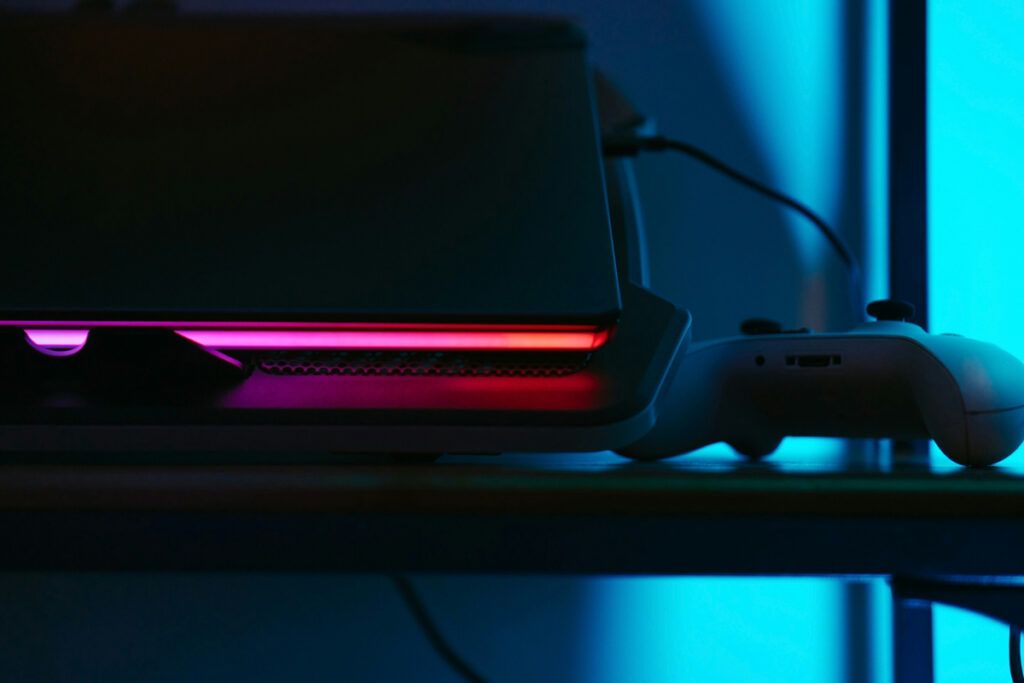
These days, many electronics are overachievers — they’re never truly “off.” Instead, they sit in a low-power standby mode, ready to spring to life the moment you press a button or send a command. It’s part of what makes modern life so convenient: Your television can respond instantly to a remote control, your computer can download updates overnight, and your streaming box always seems ready to resume your latest show.
Printers, smart speakers, game consoles, Wi-Fi routers, and modems often do something similar — maintaining network connections, checking for updates, or preserving settings and memory. Even electric toothbrush chargers and USB charging adapters consume small amounts of electricity despite appearing idle. The energy these devices draw in the background is known as “phantom power.” Even more menacingly, the gadgets using this phantom power are known as “vampire devices.”
Individually, many of these devices consume only a small amount of electricity while dormant (think 0.5 watts, compared to about 60 watts for an incandescent light bulb and 10 watts for an LED light bulb). But the average household now contains dozens of electronics — some of us even read our books on battery-powered gadgets nowadays. Every one of those tiny power draws contributes to the total.
Researchers sometimes describe this as the “always-on” home. Instead of a handful of obvious energy hogs, modern houses contain a growing collection of tiny, persistent electrical loads that quietly sip power around the clock.
Some entertainment devices take big gulps rather than tiny sips, though. Depending on their settings, game consoles and smart televisions may consume surprisingly large amounts of electricity waiting in “instant-on” or “quick-start” modes. Your TV is able to power up and load its apps so quickly because many of its systems are awake around the clock.
Appliances That Never Stop Working
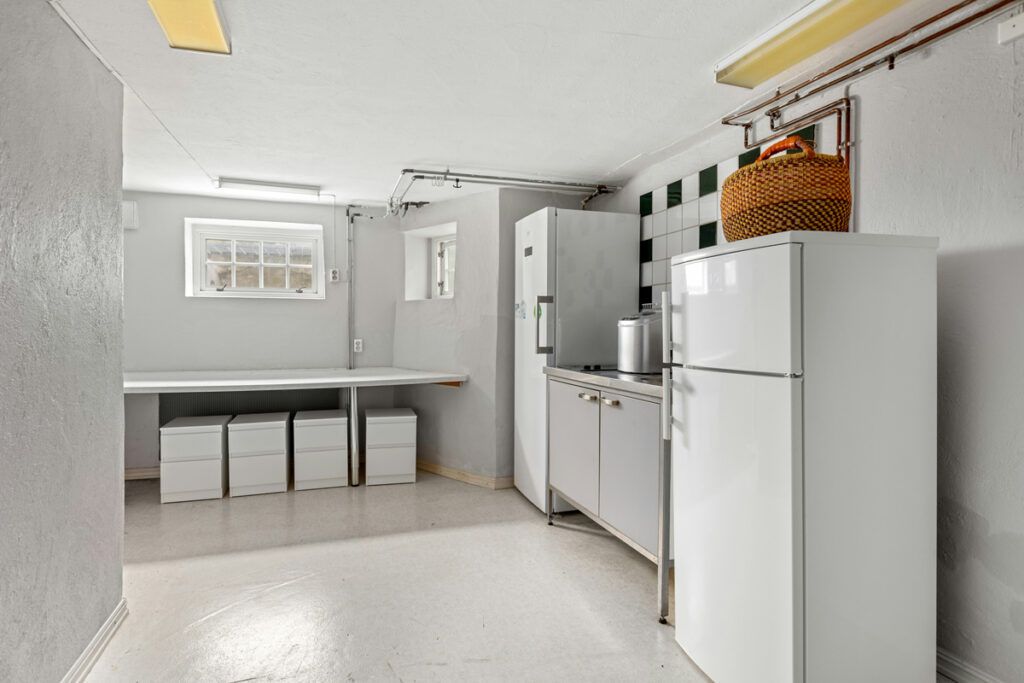
Other appliances continue using electricity for a simpler reason: They’re still doing their jobs. Refrigerators and freezers cycle their compressors on and off throughout the day to keep food safely cold, whether anyone is home or not. Ice makers, wine coolers, and beverage refrigerators generally do the same. You might also have appliances that you keep running all the time, such as air purifiers.
Unlike phantom power, this usually isn’t wasted electricity. Keeping food from spoiling is important work. But one type of appliance deserves a special shout-out. Older secondary refrigerators — the kind that often end up in garages or basements — can be especially energy-intensive to operate 24/7.
Many were built before today’s efficiency standards were set and consume far more electricity than modern models. If they’re mostly storing a few drinks or frozen leftovers, they may cost more to run than is worthwhile.
The Ways Your House Maintains Itself
Many of your home’s most important infrastructural systems keep working when nobody is around, too. Take your water heater, for example. Even if no one turns on a faucet all day, a traditional storage water heater gradually loses heat, and to keep the water at the desired temperature, the heater periodically switches on and warms it back up. That’s what allows you to instantly get hot water for that long, hot shower at the end of the day.
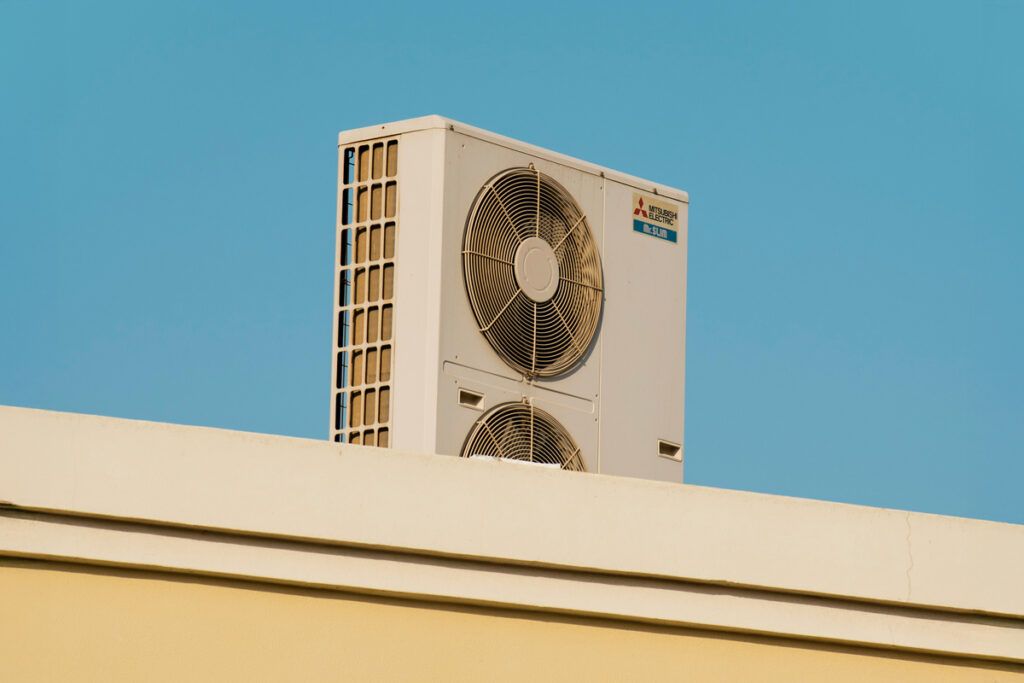
Heating and air conditioning can be an even larger source of electricity use. On a sweltering summer afternoon or a freezing winter night, climate control may be the largest electricity user in an empty house. Some homes have equipment that only runs occasionally but still must remain ready at all times. A sump pump may activate after heavy rain to keep a basement dry. A well pump may cycle on to maintain water pressure.
Even doorbells quietly use electricity around the clock, as do alarm systems, thermostats, digital clocks, security cameras, and certain electrical safety devices. All require small amounts of power to remain ready when they’re needed, much like that closed laptop or sleeping TV.
How to Trim the Invisible Electric Bill

You may remember being told that leaving the lights on all day or running the dishwasher would run up your utility bill. But LEDs use a fraction of the power that traditional incandescent bulbs do, and modern, energy-efficient appliances, such as those labeled Energy Star (administered by the EPA), use up less juice than you might realize.
Meanwhile, invisible phantom power drains are costing you money when they don’t have to. Don’t worry — you don’t have to turn off every appliance before leaving the house. Refrigerators, smoke detectors, and many other devices perform important jobs that justify their electricity use. But there are easy ways to reduce unnecessary consumption.
Start by unplugging devices you rarely use, such as an old DVD player with its clock still an hour off, or the guest-room television. Better yet, plug groups of electronics — such as your television, streaming box, game console, and sound system — into a single smart power strip that automatically cuts power when they’re not in use. Some have timers you can set for when you know you’ll be out of the house.
It also pays to explore your devices’ settings. Disabling “quick start” modes on televisions can significantly reduce standby power. It’ll only take a few extra seconds of startup time, and you can use that time to settle into the sofa. Setting computers to enter sleep mode after a short period of inactivity also helps. Don’t just set a screensaver — have your laptop turn its display off completely.
When replacing an older appliance, look for Energy Star-certified models, which are designed to use less electricity both while operating and while sitting in standby. And if you’re curious where your own home’s invisible electricity is going, consider buying a plug-in electricity monitor. These inexpensive devices let you measure exactly how much power an individual appliance uses — including when it appears to be switched off.
Your local utility company may even provide similar smart meters free of charge. Instead of keeping tabs on a single appliance, they’ll measure how much power your entire house uses, whether you’re home or not.