HEALTH
Why Do You Get Charley Horses?


The origin of the phrase “charley horse” is a bit of a mystery, but it’s a fitting name: The leg cramp comes on fast, hard, and without warning, like a startled horse that starts to bolt.
You could be walking across the kitchen or drifting off to sleep when suddenly your calf muscle locks up into a tight, stubborn knot. Here’s what causes this notorious muscle cramp, how you can stop it, and why it has such a deceptively friendly name.
A Pain in the Calf
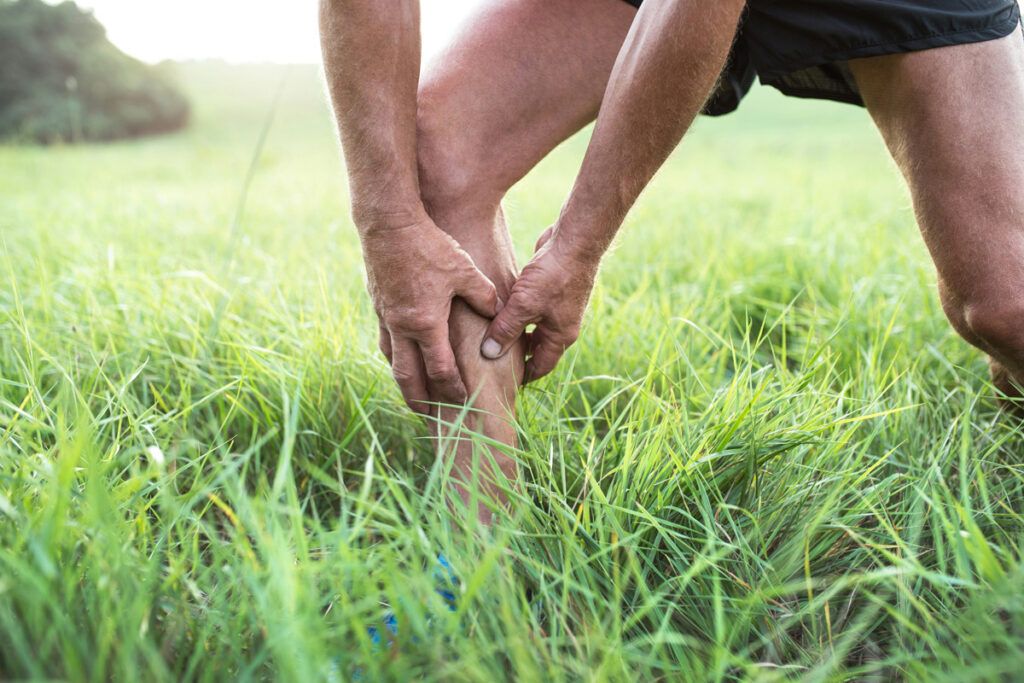
Electrical signals from your brain tell your muscles to contract and relax, and when these signals misfire, your muscle fibers cinch together like the reins on a horse being yanked too tightly (though that’s not where the name comes from).
A hard knot forms under your skin because those muscle fibers are unable to relax after tightly contracting, and the knot can be very uncomfortable. The pain usually goes away in a few minutes once your muscle stops spasming, but it may be sore for a while.
You can get cramps in any muscle, but they’re most common in your limbs and abdomen. A charley horse is the name typically associated with a cramp occurring in the leg — usually the calf or thigh, but also the foot.
The origins of this strange name can be traced back to several different legends tied to American baseball slang in the 1880s. Most have to do with players with a leg injury or cramp resembling an old or injured horse as they walked or ran the bases. The exact horse varies depending on the legend, but the animal was named Charley. Other possible origins include a limping baseball player named Charley Hoss or afflicted players resembling children riding hobby and rocking horses.
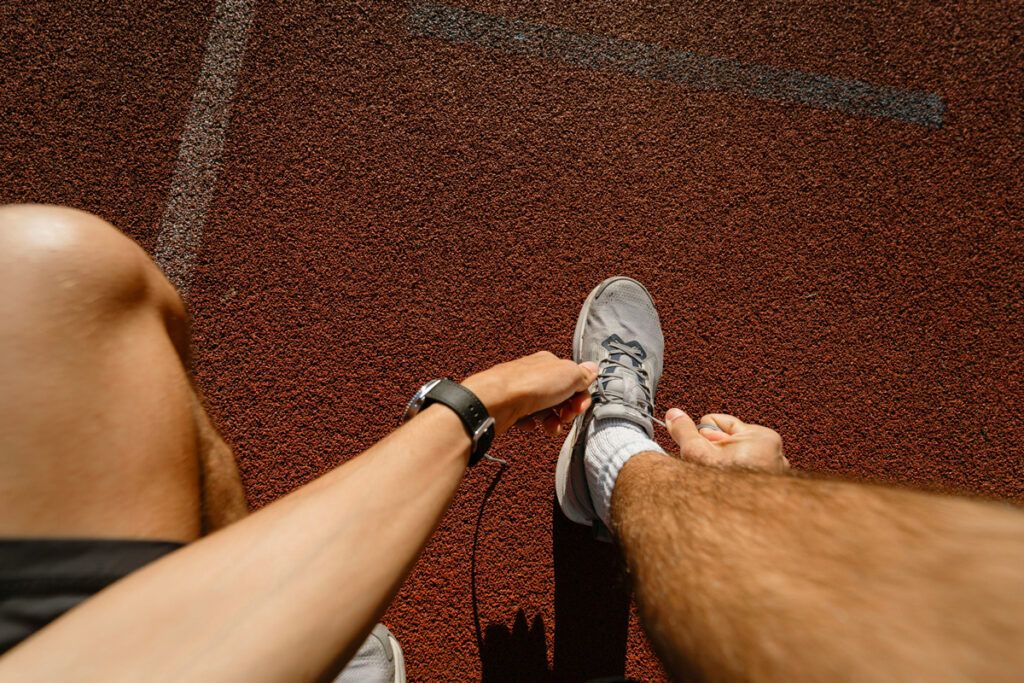
Just as its name has several possible sources, a charley horse can happen for lots of reasons. Exercise is one of the most common triggers, especially if you overdo one particular muscle. Not staying hydrated, especially while you work out, can also set one off.
Low levels of electrolytes such as sodium and potassium, which help regulate electrical signals in your nervous system and which you lose through sweat, are also a common culprit.
But you also can get a charley horse from just sitting or standing still in one position for a long time, because that can reduce blood flow to your leg muscles. (This is also why you can get them while you sleep.) Injuries, certain diseases or medications, and even stress can also cause cramping.
How To Rein in a Charley Horse
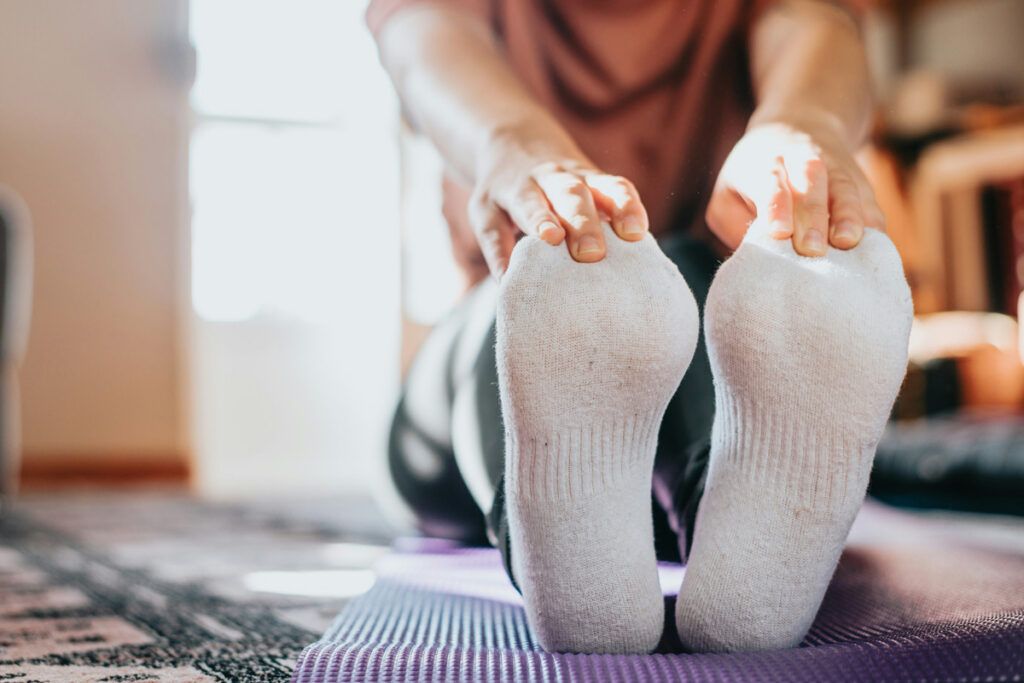
Age also matters. As you get older, your tendons become shorter and you become less flexible, which makes getting muscle cramps such as charley horses more likely. That’s because a relaxed muscle has less electrical activity, which means less chance of a nerve misfire.
That means stretching and massaging a cramp helps rein in a charley horse, as you’re helping the muscle relax again. If it’s your calf that is cramping, you can also try pulling your toes upward to relieve the cramp. Some people find relief by walking slowly until it relaxes. You can also apply ice or heat to see if either releases the spasm.
The best way to deal with a charley horse is to prevent one in the first place. Stretching and staying hydrated are a must when exercising, but also good practice in general. Comfy shoes can also make a difference. Why rein in a charley horse when you can keep it locked in the stable?
A charley horse is a painful muscle cramp in the leg or foot that often comes on without warning. It happens when electrical signals in your muscles misfire, which can occur when you’re dehydrated, among other reasons. You can normally get relief by stretching or massaging the muscle. Relaxed muscles cramp less, so you can help prevent a charley horse by staying hydrated and stretching properly.
Short Answer