CULTURE
All Your Daylight Saving Time Questions, Answered

There are a lot of myths surrounding daylight saving time (DST). For one, it’s “saving,” not “savings.” And it didn’t begin with Benjamin Franklin. Perhaps the biggest misconception, though, is that daylight saving time was created for the benefit of farmers — many of whom actually dislike and lobby against it. Here are the answers to all your daylight saving time questions, including why we ever started changing our clocks in the first place.
When Is Daylight Saving Time?
Today, in the parts of the U.S. where daylight saving time is observed, DST begins on the second Sunday in March and ends on the first Sunday in November. The clocks change at 2 a.m. local time, rather than everywhere all at once. The period outside of DST is known as standard time. The phrases “spring forward” and “fall back” refer to the clock changing from 1:59 a.m. to 3 a.m. at the start of DST in early spring and 1:59 a.m. to 1 a.m. when it ends in autumn.
Why Did We Start Changing the Clocks?
Daylight saving time began as a wartime necessity, but it’s rapidly fallen out of favor in modern times, with a majority of Americans, Canadians, and Europeans wishing we would just leave the clock alone. Though Benjamin Franklin joked in a 1784 letter that the French should wake earlier to save their candles, he didn’t actually propose a time change.
Instead, it was Germany that was the first country to officially adopt DST. It did so in 1916 during World War I, to conserve energy by extending daylight hours and reducing the need for artificial light. Several other countries followed suit, including the United States in 1918.
The U.S. repealed the practice at the end of the war and then implemented it again in 1942 during World War II. After the conflict, individual states were allowed to decide whether they wanted to continue to observe DST, and, if so, when. This created a chaotic patchwork of time changes until the Uniform Time Act of 1966 set a nationwide standard for when states that observed DST could start and end the period.
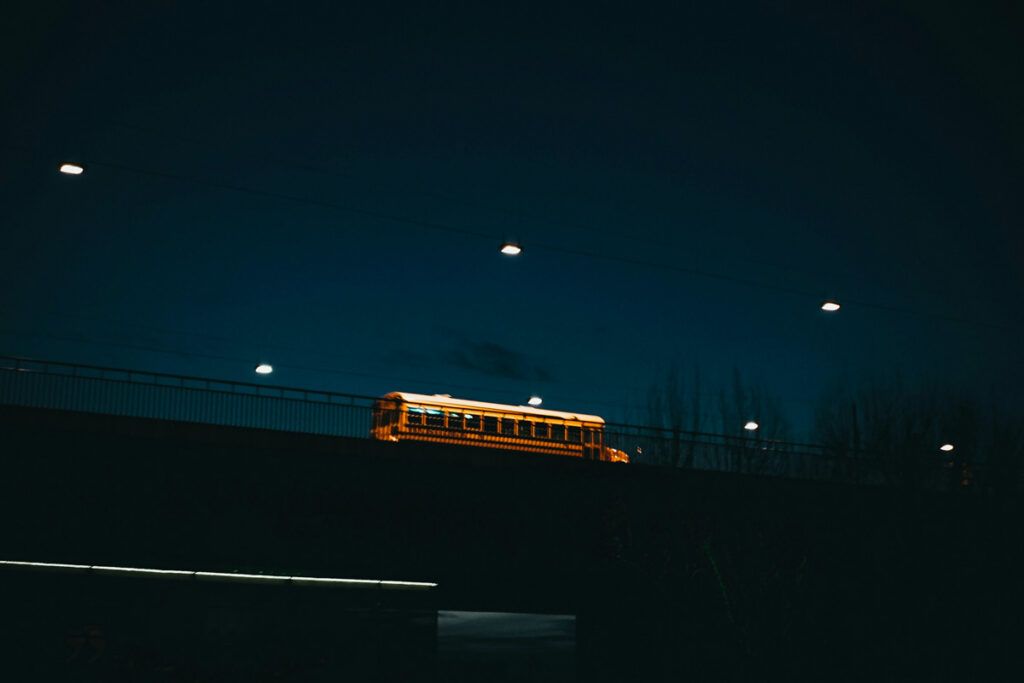
During a short period in 1974, the U.S. gave permanent DST a go — just as the government is considering doing in 2026, with the passage of the Sunshine Protection Act. It was popular in the summertime, since the sun didn’t set until later in the evening, but people disliked the pitch-black winter mornings, during which children had to walk to school or wait for their buses in the dark. Approval rapidly declined and permanent DST was repealed.
Is DST Practiced Worldwide?

About 70 countries observe some form of DST, including the U.S., Canada, all European Union members, Chile, and Egypt. In some countries, only certain areas practice it. For example, some Australian territories observe DST while others do not.
In the U.S., individual states are allowed to opt out of the time change. Hawaii and Arizona both remain on standard time year-round, with the exception of Arizona’s Navajo Nation, which observes DST to stay aligned with communities in Utah and New Mexico.
What Are the Pros and Cons of DST?
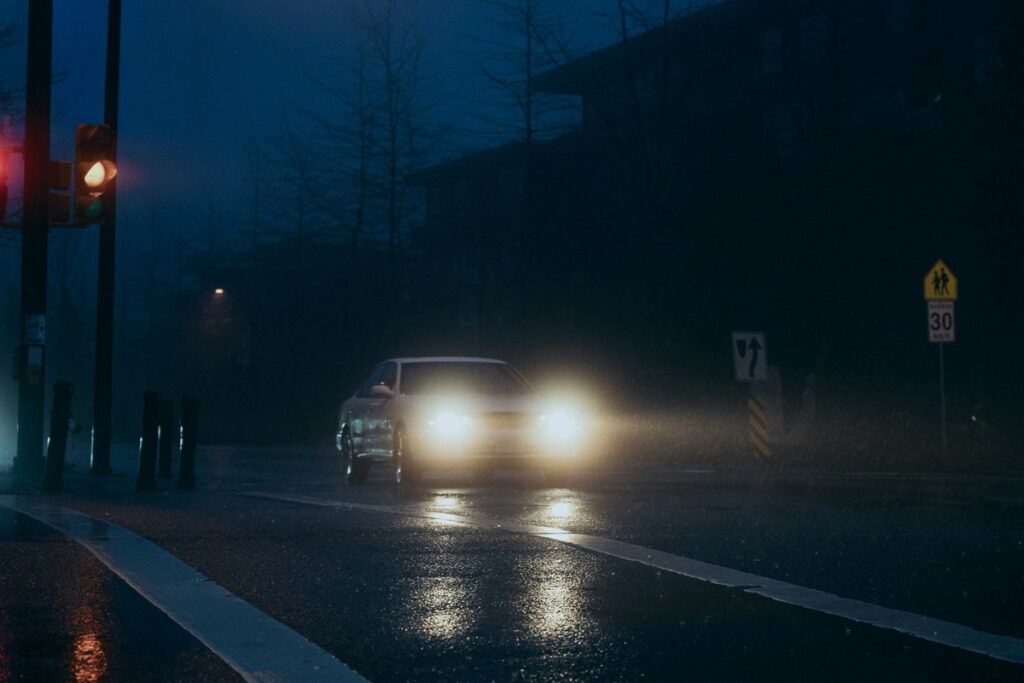
Proponents say the additional daylight in the evening afforded by DST reduces crime and improves safety for drivers and pedestrians, among other benefits. They also argue that it stimulates the economy because people are more likely to go shopping or participate in recreational activities after work if it’s not already dark by the time they clock out.
Those against switching back and forth between standard time and DST point out that abrupt shifts in sleeping patterns, even by one hour, can disrupt sleep and circadian rhythms. This disruption is associated with adverse health outcomes and poorer cognition, including when driving. So while proponents say the extra light means safer roads, opponents point to a 2020 study that associated the springtime shift forward with a 6% increase in the risk of fatal traffic crashes.
It’s unclear whether DST saves energy today. A 2017 study found that modern lighting doesn’t use that much energy, but extra daylight does lead to higher AC or heating use. There are also other anecdotal reasons people cite for their dislike of the practice, including the fact that pets and small children don’t understand what’s happening and seek to continue their routines, even though their caretakers are forced to shift.
It’s also worth noting that in the continental U.S., the country is so big that not only does it span four time zones, but each time zone can also be fairly wide. That means that sunrise and sunset times aren’t the same for all Americans, even in the same time zone. Some areas see more drastic changes during DST than others.
What Would Happen if We Got Rid of DST?

Changing every clock in your home (and vehicle) twice a year can be tedious. Combine that with the other effects mentioned when it comes to suddenly gaining or losing an hour, and there is usually a contingent of people arguing to get rid of the practice once and for all.
Though the U.S. and other countries have introduced legislation that would put an end to changing the clocks, there’s still a lot of debate around whether that would mean choosing permanent DST or permanent standard time. In other words, do we want sunnier evenings or brighter mornings?
Stanford Medicine researchers found that either option would be better for our health than switching between them every year, but that standard time would be best for most people as we generally fare better with more morning than evening light. The American Academy of Sleep Medicine also advocates for standard time, saying it best suits the human circadian rhythm.
Permanent standard time would also avoid the extra-long, dark winter mornings that people disliked when switching to permanent DST. Yet others advocate for permanent DST, citing the potential economic and recreational benefits of an extra evening hour of daylight.
If the country does adopt permanent DST or standard time, don’t be surprised if the populace once again changes its mind as it did in the 1970s — changing our minds, it seems, is easier than changing our clocks.