HEALTH
Why Do You Twitch As You Fall Asleep?
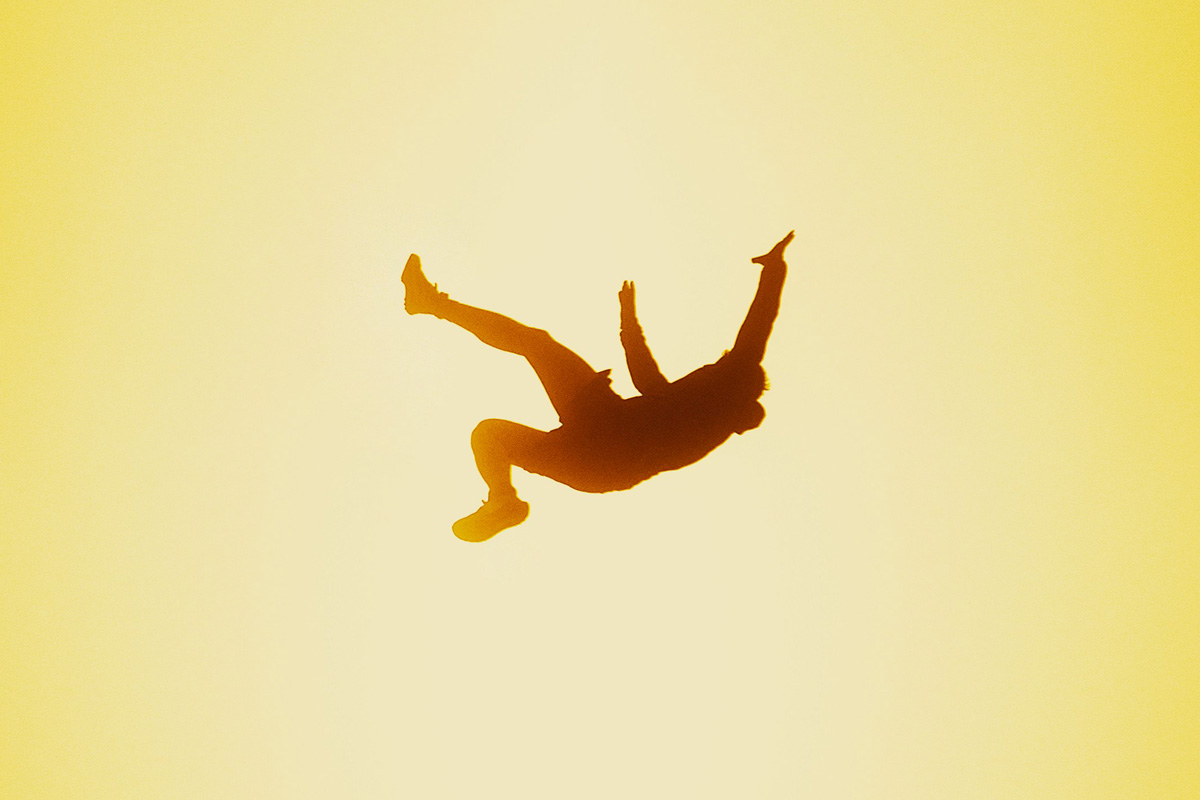

You’re tucked into bed, comfortably warm, and finally drifting off. Your thoughts have started to wander into dream territory when your leg suddenly kicks or your whole body jolts. Maybe you even feel as though you’ve missed a step on a staircase that wasn’t there a moment ago or hear something like a car hood slamming nearby.
These sudden movements are called hypnic jerks, or sleep starts, and they’re a familiar feature of our passage into dreamland. So what makes that passage so bumpy?
When Sleep Is a Jerk
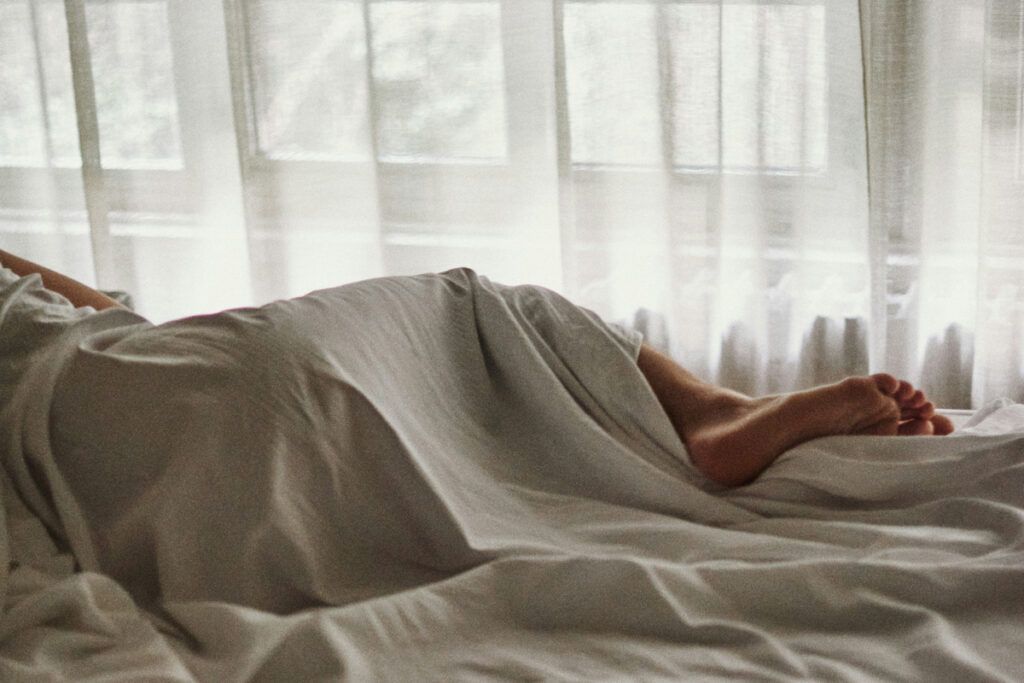
A hypnic jerk is a brief, involuntary muscle contraction that happens as you fall asleep. It might involve an arm, a leg, or much of your body, and it generally lasts less than a second. Sometimes it’s enough to wake you; other times, a person sharing a bed with you notices a twitch while you sleep right through it — just as you sleep through your own snoring. The movement can come with a fragment of a dream, a suddenly racing heart, or that freaky sensation of falling.
These jolts belong to a broader category of movements technically called myoclonus or myoclonic jerks, and they include other sudden, uncontrollable muscle twitches — one you’re almost certainly familiar with is the hiccups.
Despite the somewhat imposing name of the category, most sleep starts are considered a normal occurrence in healthy people. About 70% of people will experience these just-before-sleep jolts at some point in their lives.

Their precise cause, however, remains unresolved. Scientists have proposed several explanations, with no single mechanism established. One possibility involves your nervous system shifting from wakefulness into sleep. Because the first, light stages of sleep are close enough to wakefulness, your body gets confused about why all your muscles have decided to relax. To make sure everything is alright, your brain then fires off a message to your muscles as a kind of check-in, in effect asking: Did you really mean to pass out right now?
There is one more adventurous evolutionary hypothesis: Perhaps the jolt once helped keep our ancestors in the trees. While early humans are often pictured as “cavemen,” many would sleep in trees, not in dark holes, to avoid predators at night. (This makes a lot of sense when you remember we’re closely related to monkeys.)
In a 2006 paper, psychologist Frederick Coolidge and archaeologist Thomas Wynn describe the possibility that a sleeping primate’s brain could mistake relaxing muscles for a dangerous fall. A sudden reflex might prompt the sleeper to adjust its position before actually tumbling.
For thousands of years, in other words, that feeling of falling could mean you really were falling, and your nervous system evolved to make sure you caught yourself before you did. It’s an intriguing idea, but it remains speculative — a twitch on your mattress isn’t proof that your primate brain is trying to keep you on a branch.
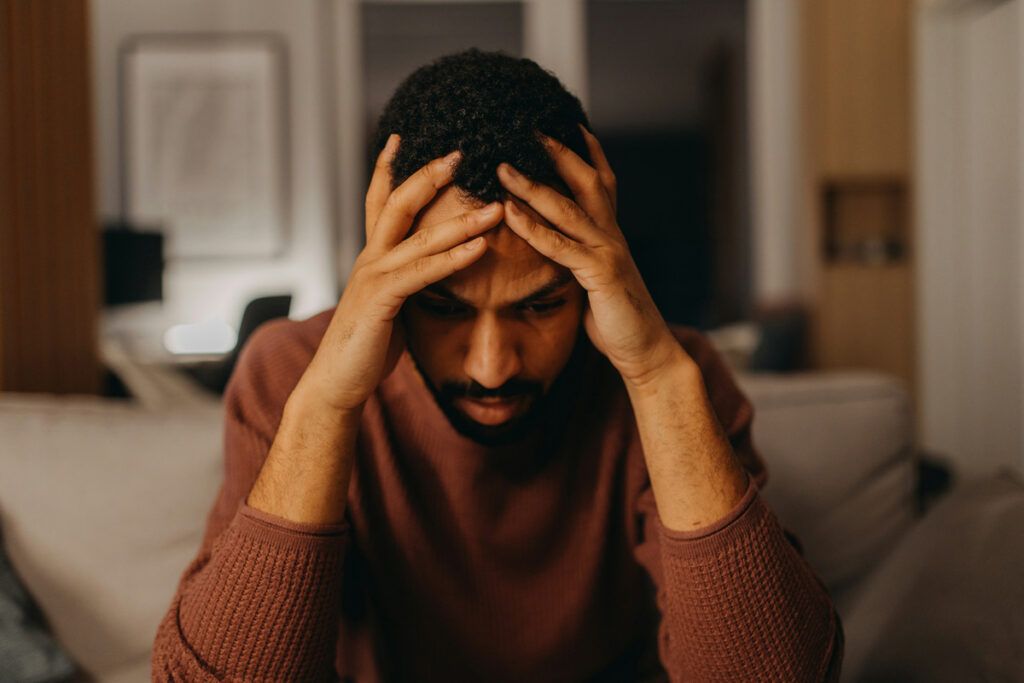
While we don’t know the exact mechanisms that cause sleep jerks, we do know what can make them worse. Reported triggers include emotional stress, excessive caffeine, nicotine, and prior intense exercise. Sleep deprivation may also contribute. However, you don’t need to be anxious or overcaffeinated to experience a sleep start.
If the jolts bother you, getting enough sleep and cutting back on stimulants may help reduce them. Frequent episodes that repeatedly prevent you from sleeping are worth discussing with a health care provider, but an occasional bedtime twitch generally isn’t cause for concern — especially if you like to sleep in trees (or top bunks).
Hypnic jerks, the brief, sudden muscle twitches that occur as you’re falling asleep, are normal and very common. Their exact cause is uncertain, but it may involve changes in nerve signaling during the transition into sleep as your brain makes sure muscles are supposed to be relaxing. They may also be an evolutionary holdover from when our ancestors slept in trees and needed to make sure they didn’t fall out. Whatever the cause, stress and stimulants make sleep starts, as they are also known, more likely.
Short Answer