HEALTH
Why Can’t You Hear Yourself Snore?
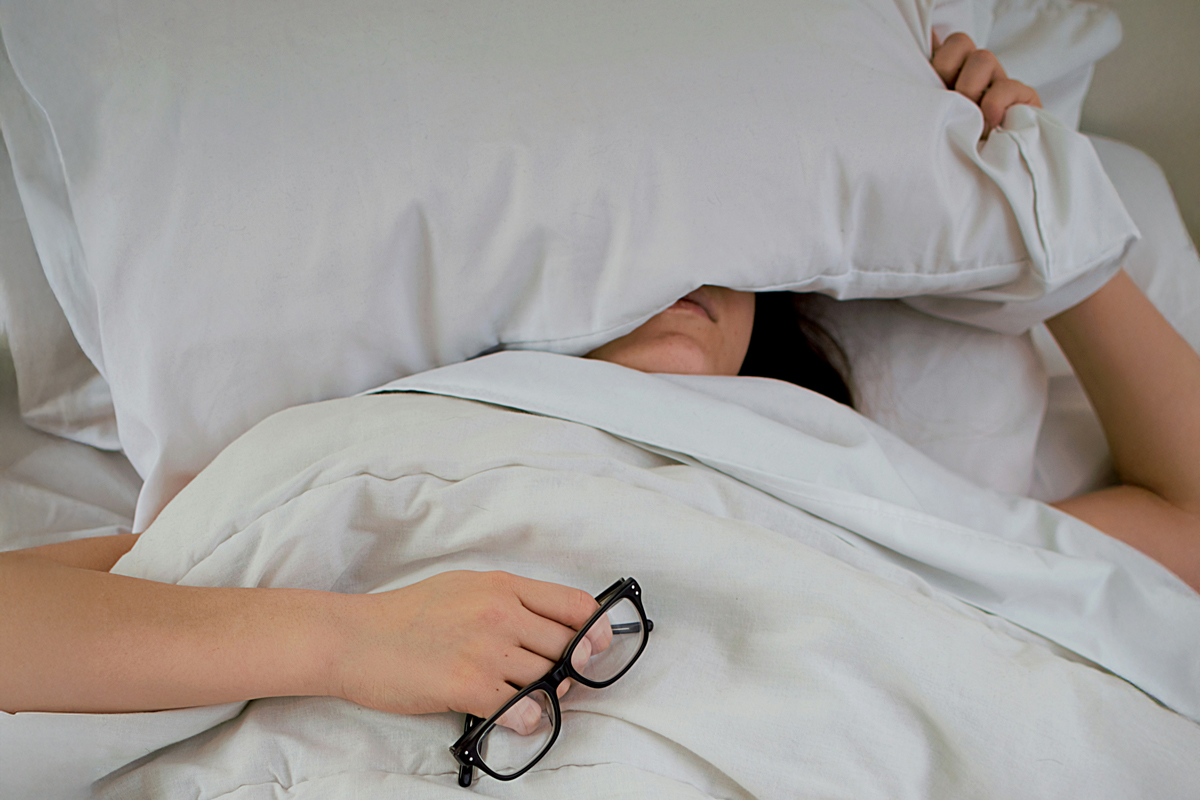

If you’ve ever spent the night next to a snoring partner, you may have wondered how it’s possible that they can sleep so soundly while producing noise loud enough to rattle the headboard. The snorts, wheezes, and rumbling vibrations can seem impossible to ignore — at least for anyone other than the source of the noise.
Yet most snorers have little or no awareness of the sound they’re making. That’s because hearing isn’t just a job for your ears. Even while you sleep, your brain is constantly deciding which sounds deserve your attention and which can safely fade into the background.
Why Your Brain Tunes You Out
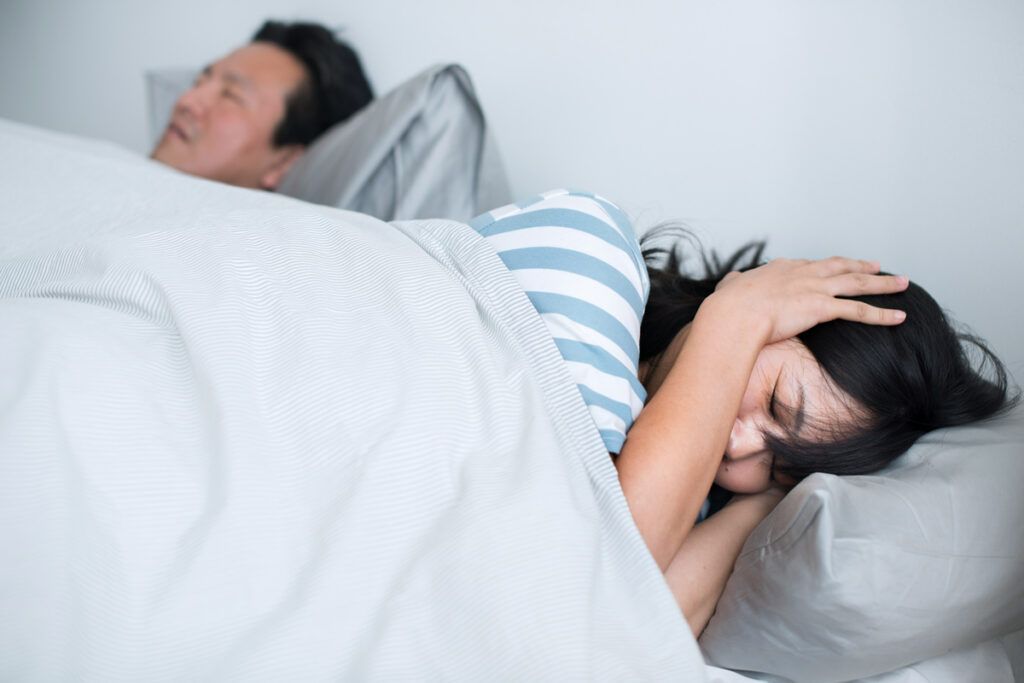
Although your ears continue receiving sounds while you sleep, your brain doesn’t process all of them equally. Instead, it acts as a gatekeeper, filtering incoming information and determining what’s important enough to bring to your attention, which it does by waking you up.
That’s why certain noises — a smoke alarm, say, or someone calling your name — are more likely to snap you awake than ordinary background sounds. Your brain treats those more unusual signals as potentially important.
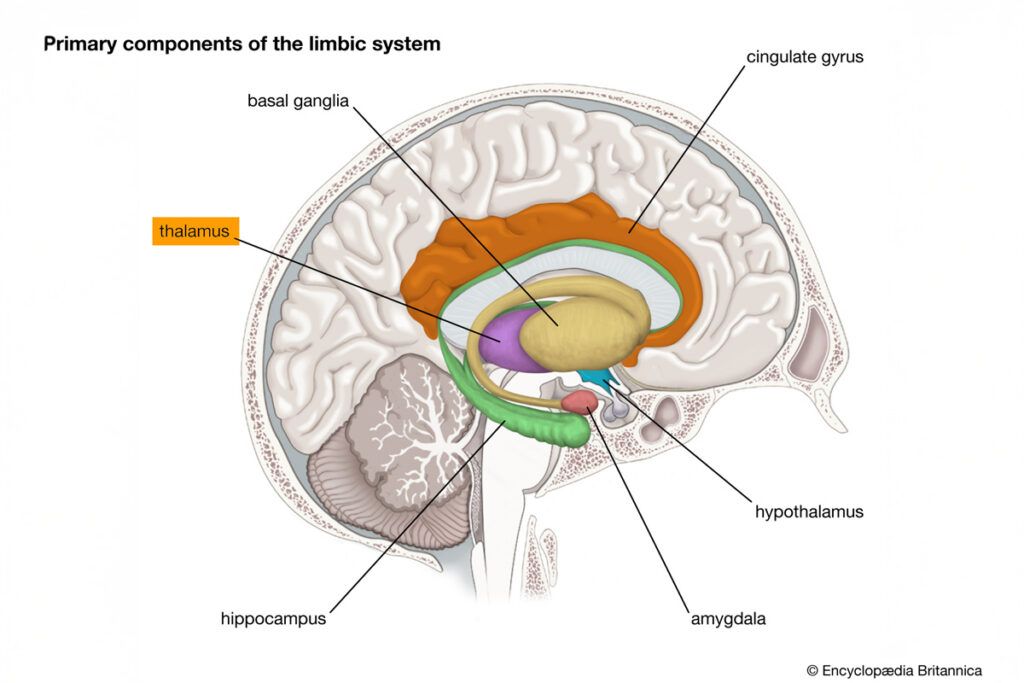
Snoring, on the other hand, is usually repetitive and familiar. Like the constant hum of an air conditioner or distant low-level traffic outside a window, it often gets classified as low-priority noise. Part of this filtering process involves a brain structure called the thalamus, which helps regulate which sensory information reaches conscious awareness.
Interestingly, the brain is especially good at suppressing sounds made by our own bodies, since it already knows what they are (and is indirectly controlling them). That doesn’t mean people never hear themselves snore, though.
Some people can wake up from their own particularly loud snort, gasp, or rumbling. Whether that happens depends partly on a person’s “arousal threshold,” or how easily they wake in response to sounds and other stimuli. Some people are naturally light sleepers, while others can seemingly snooze through a rock concert if they wanted to.
Sleep stage matters, too. Some research suggests people may be more likely to wake from sounds during REM sleep (the time you’re typically dreaming) than during certain non-REM stages. Snoring often becomes louder during REM sleep, too, which means it’s extra likely your own snore will wake you.
But even when a snore does wake you up, the interruption is usually brief. Most likely you’ll drift back to sleep almost immediately and have no memory of waking up the next morning. These fleeting disruptions are called “microarousals,” and even people who don’t snore experience numerous microarousals throughout the night without remembering them.
For people who snore heavily — especially those with sleep apnea — these brief awakenings can happen much more often. In severe cases, breathing interruptions, which may cause choking or suffocation sensations, may trigger dozens or even hundreds of sleep disruptions over the course of a night. This reduces sleep quality even if the person has no memory of being awake. In this regard, snoring may be as disruptive to the snorer as it is to the person beside them.
But while you hear your partner’s nightly symphony of grunts, rattles, and buzz saw impressions, their sleeping brain has concluded that their own familiar snoring is nothing worth waking up about.
You usually can’t hear yourself snore because your brain filters out repetitive, familiar sounds while you sleep — especially those generated by your own body. Some people do wake up from especially loud snores, but those awakenings are often so brief that they’re forgotten by morning.
Short Answer