ENGINEERING
How Much of Your Flight Is on Autopilot?
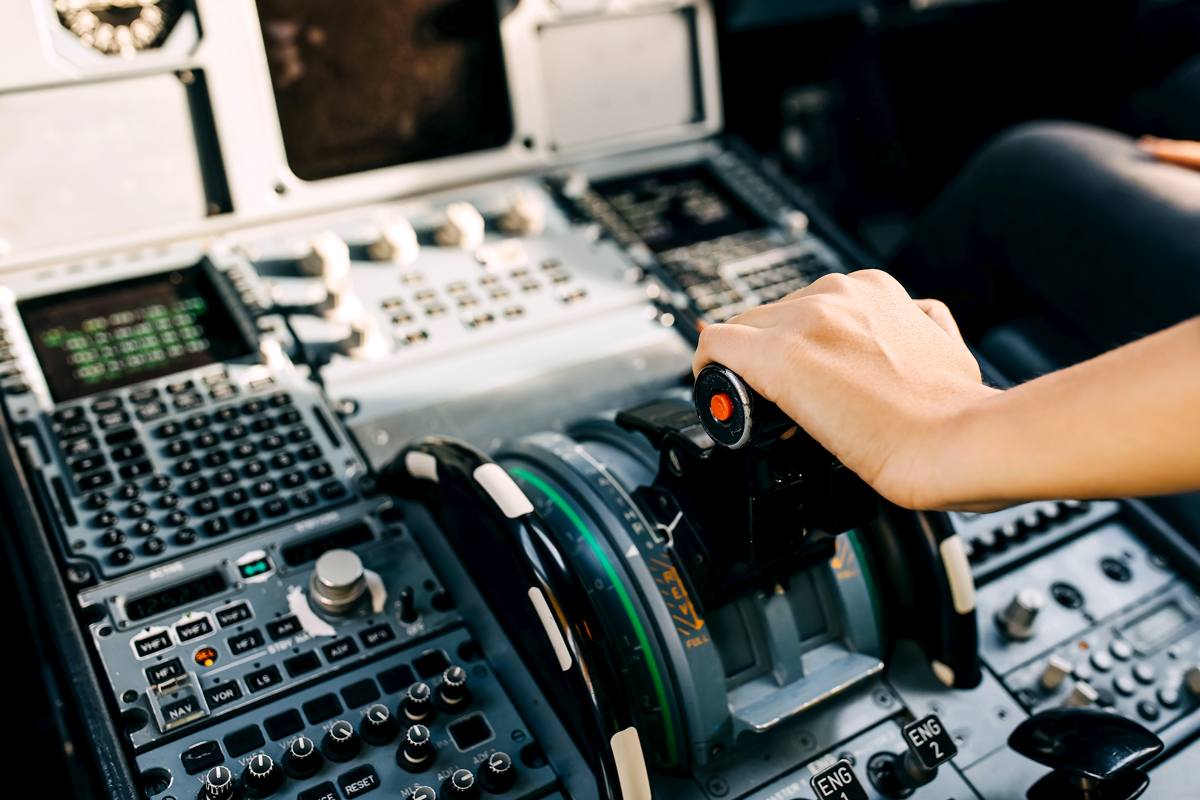

You’re cruising at 35,000 feet, halfway through a long flight, maybe sipping a ginger ale. Flight attendants are handing out pretzels. Some passengers are watching a superhero movie, while others are staring blankly at a GPS map of your flight path.
What’s happening in the cockpit? The pilots are sitting behind the controls, but they’re likely not actively keeping the airplane on course. A commercial aircraft carrying hundreds of passengers may spend up to 90% of its journey flying with autopilot engaged.
So when exactly do the captain and first officer need to step in, and what are they doing while your airplane is flying itself?
Cruise Control in the Sky
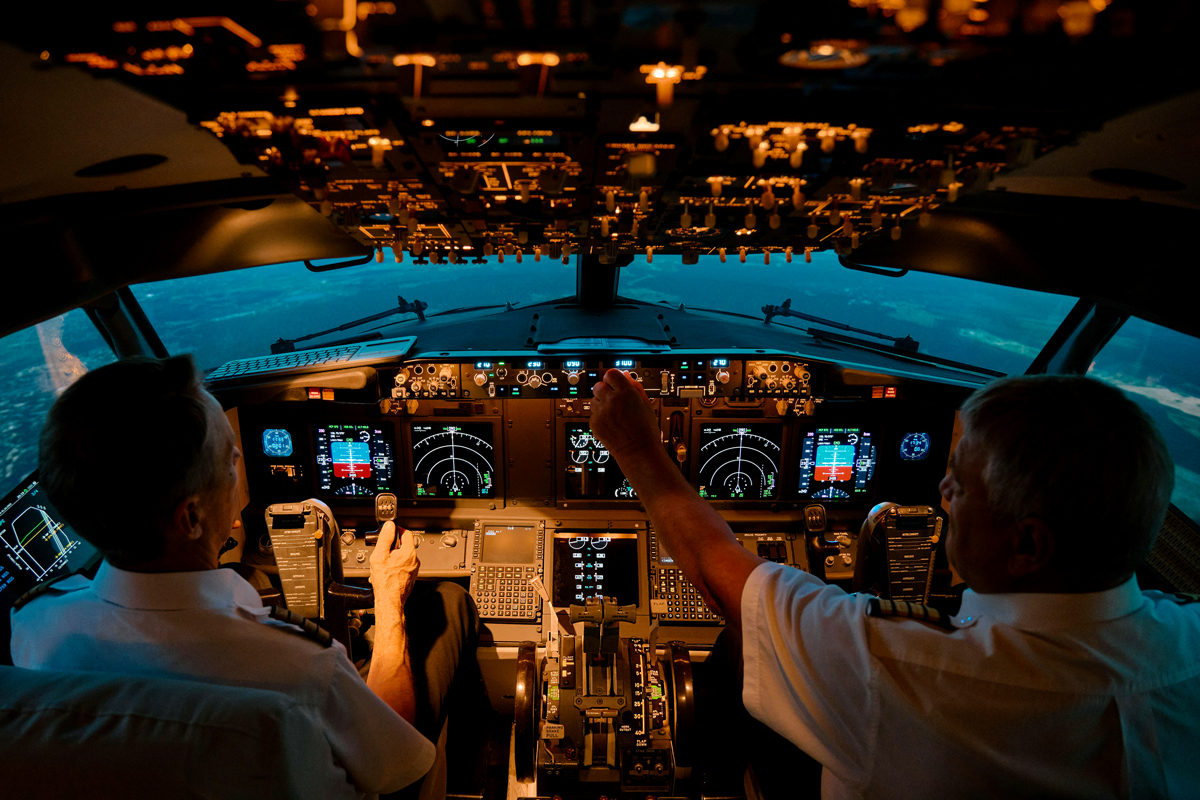
Rather than picturing a robot physically gripping the flight controls or a self-driving car covered in fancy cameras, think of an airplane’s autopilot like a car’s cruise control. Your vehicle’s cruise control maintains a selected speed, but still needs you to stay alert and behind the wheel to steer, adjust the speed, react to obstacles in the road, and, eventually, park.
Similarly, an airplane’s autopilot can manage several aspects of its flight path, following instructions selected by the pilots. Autopilot helps the crew keep the wings level, maintain a selected altitude, and follow a programmed route. Depending on the aircraft, it can also control the rate of climb or descent and maintain a selected airspeed.
But that’s after autopilot actually takes over. In general, pilots engage the feature shortly after takeoff, and it can remain active through much of the cruise and descent — approximately 90% of an average flight.
Varying by aircraft and pilot preference, there’s no single altitude at which every commercial pilot engages autopilot. Pilots can take their hands off the controls shortly after takeover, above 500 feet, and the safest altitude is considered anything above 10,000 feet.
At that height, birds are no longer issued and planes aren’t restricted by mandated speed limits required when flying closer to the ground. Plus, the Federal Aviation Administration (FAA) requires pilots to stay extremely focused while flying under that altitude.
After Autopilot Takes Over
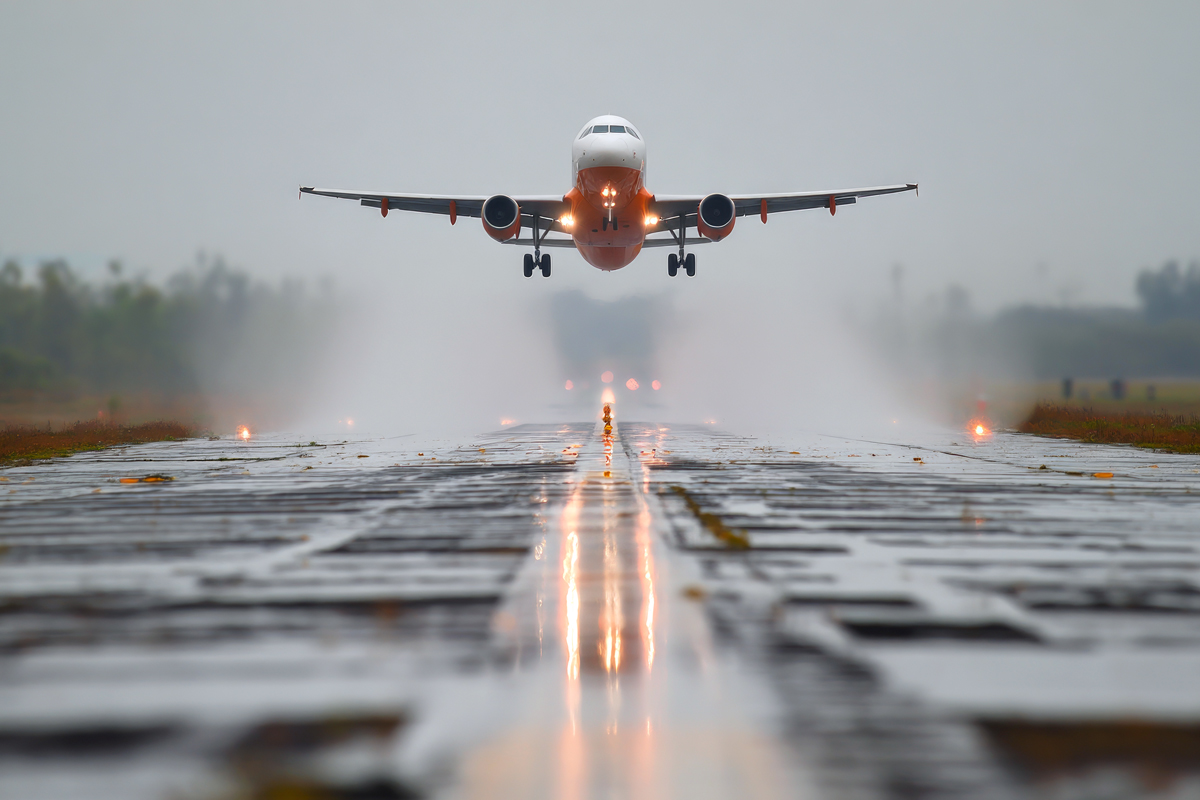
Of course, autopilot doesn’t mean the pilots can join the passengers in watching a movie or taking a nap. They still communicate with air traffic control, monitor weather and navigation information, manage aircraft systems such as cabin pressure and anti-icing, and ensure that the airplane is responding and operating as expected.
Autopilot follows instructions; it doesn’t decide on its own what is best for the people aboard. Pilots will take back control when necessary — for instance, during severe turbulence. The FAA describes mode awareness — knowing what an automated system is doing and what it has been instructed to do — as an important part of managing anything in the cockpit that’s automated.
What about landing? Some aircraft are capable of automatic landings, but that doesn’t mean your plane is landing itself. Pilots still manually land commercial aircraft nearly 99% of the time. However, autopilot technology can be helpful for descents in low visibility or bad weather, if airport infrastructure allows. Even during an automatic landing, pilots monitor the autopilot and stay prepared to disengage it if necessary.
A 2025 flight-simulator study involving 20 professional pilots found that higher levels of automation reduced pilots’ mental workload and improved their performance while manually landing. There was a catch, though — the pilots also spent less time monitoring certain flight instruments that are important to keep track of.
The study highlights an important balance: Automation doesn’t eliminate the need for pilots, but it changes what they need to pay attention to.
Autopilot often handles an airplane’s climb, cruise, and descent — upwards of 90% of a typical commercial flight. Pilots are still responsible for taking off and (usually) landing the plane manually. While autopilot is engaged, pilots are still busy communicating with air traffic control, monitoring weather and navigation information, ensuring the aircraft is performing as expected, and making sure they’re ready to manually take over at a moment’s notice.
Short Answer