CULTURE
Why Were Photos Originally Black and White?
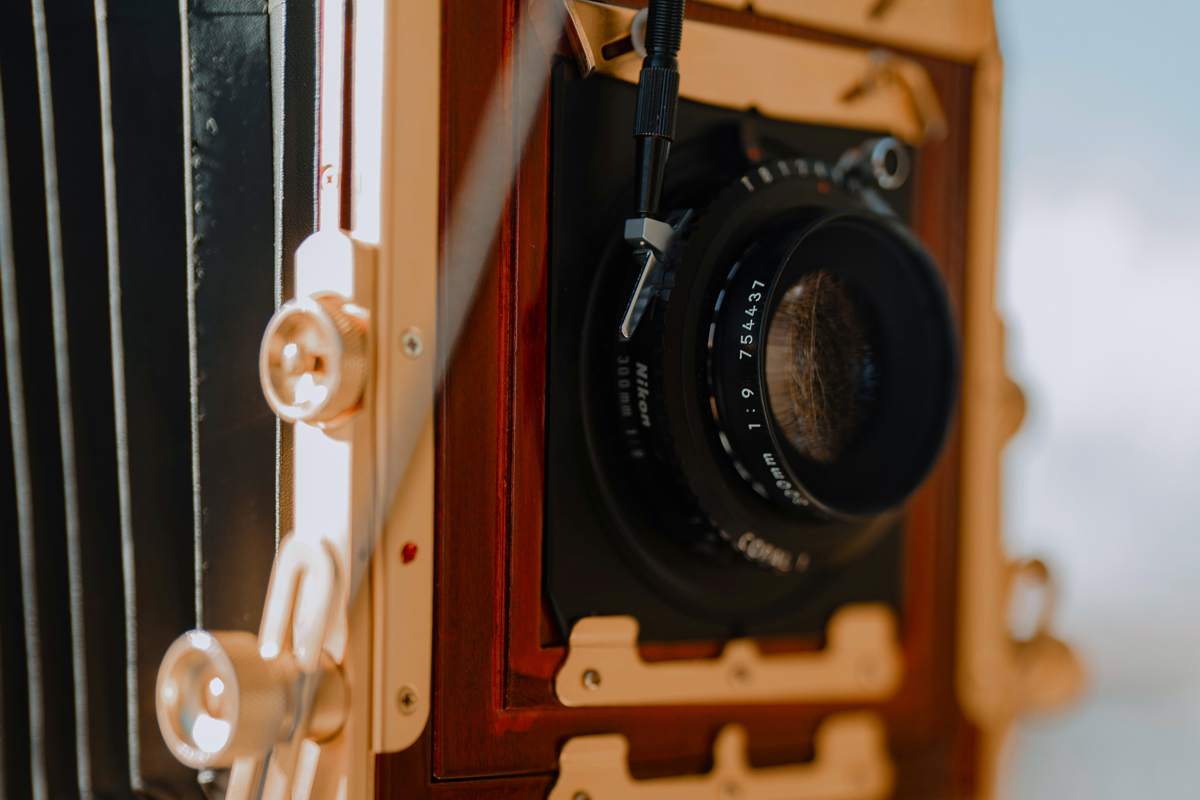

It’s hard to picture people, places, and events from the 1800s in anything but shades of gray, given that most photographs from the era are exclusively black and white. The real world was as colorful as anything you’d photograph today, of course — the camera just had no way to record it.
Early photography managed to pull off something remarkable: using light to make a lasting image. Getting a camera to faithfully reproduce color, however, proved much harder.
Early Cameras Couldn’t Tell Red From Blue
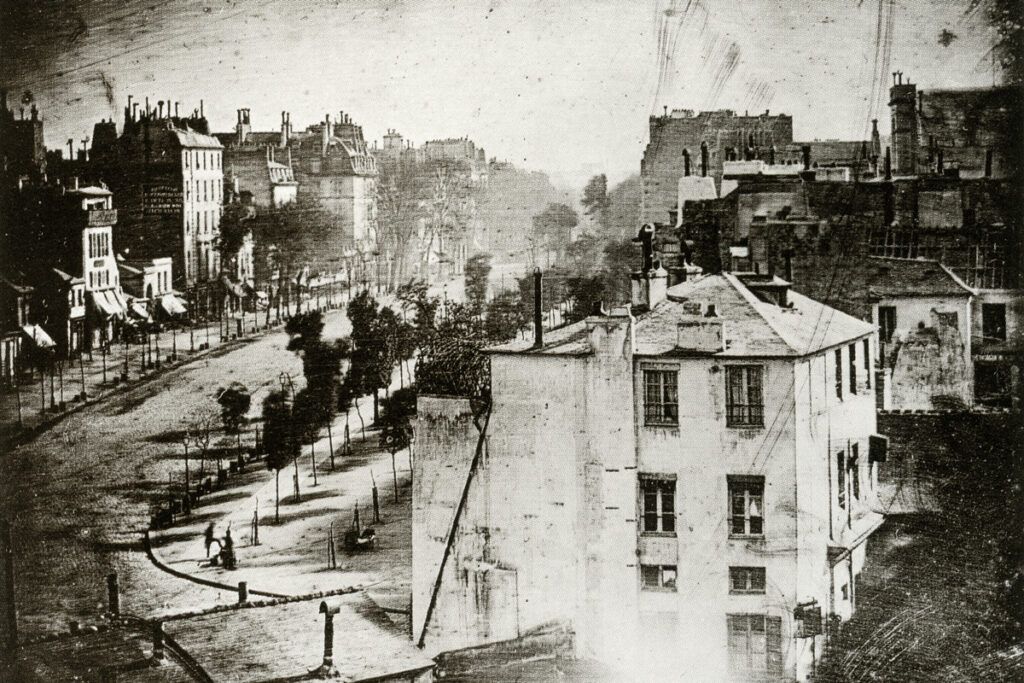
One of the first successful forms of early photography was the daguerreotype. Introduced in 1839, it didn’t use anything resembling the film that came later. The photograph instead appeared on a shiny, silver-coated copper plate that had been treated to react to light.
Once the picture was taken, the photographer used mercury vapor to bring out the image, then treated the plate again so the picture wouldn’t continue changing once it was exposed to more light. Daguerreotypes picked up an impressive amount of detail, including things as small as the pattern on someone’s clothing.
But all those details appeared in shades of gray. Not only that, but the colors didn’t always turn into the shades you might expect. Early photographic chemicals reacted much more strongly to blue and violet light than to red, so something red could look very dark in the finished photo, while a blue sky could come out nearly white.
That’s because daguerreotypes and other early processes reproduced images based on how light or dark each part of the image was. Color requires a balance not just of light and dark, but also of the three primary colors: red, green, and blue, which combine to form the other colors of the rainbow. The technology to capture these hues and the chemicals to develop them need to be much more advanced than photography based simply on light intensity.
Some photographers used a workaround: They added the color themselves. Black-and-white photographs could be painted by hand, adding pink to someone’s cheeks, for example, or tinting clothing and jewelry. Other inventors, though, experimented with ways to get a camera to capture color on its own.
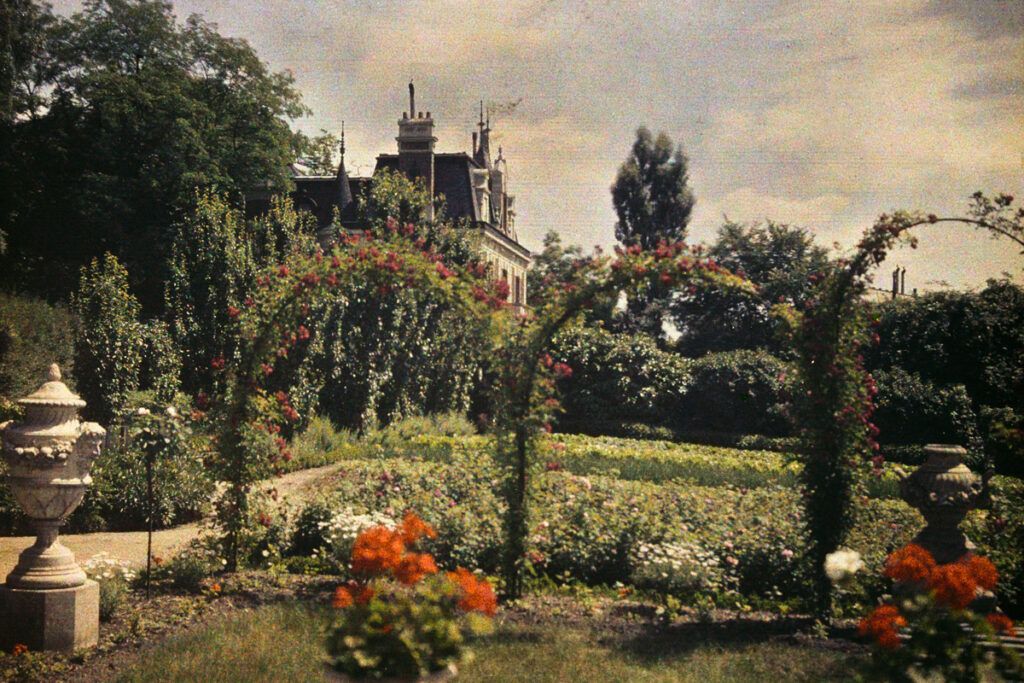
A major step forward came in 1907, when brothers Auguste and Louis Lumière introduced Autochrome. Their method relied on a surprising ingredient: potato starch. Microscopic grains of starch were dyed red-orange, green, and blue-violet and spread across a glass plate. The grains filtered the light entering the camera, allowing the photograph to show different colors instead of only shades of gray.
It worked, but Autochrome wasn’t nearly as convenient as snapping a color photo is today. The image was made on a glass plate that needed light shining through it to be seen clearly, and there was no negative for making copies.
So, even with color photography available, black-and-white photography remained easier and more practical. Color photography became more accessible in the decades that followed, especially after Kodachrome film arrived in the 1930s. But even then, black-and-white film and processing remained cheaper, which is why most folks didn’t use color photographs in everyday life until the 1960s and 1970s.
It’s also why color films such as The Wizard of Oz were around in the 1930s but didn’t become the go-to choice until the late 1960s. (Before digital cameras, even independent films in the 1990s would shoot in black and white to save costs — not to look “artsy.”)
Once color photography became cheap enough, even the most mundane pictures could look like they were taken somewhere over the rainbow.
The earliest cameras could capture how light or dark something was, but they couldn’t reproduce its actual color, which required more advanced technology that could mix and balance the three primary colors: red, green, and blue. Light intensity is reproduced using black, white, and varying shades of gray. Figuring out how to accurately capture colors took decades longer, and even when the technology became available, black-and-white photography remained cheaper. That’s why it was the predominant medium until the 1960s and is sometimes still used today.
Short Answer