NATURE
How Do Animals Survive Hibernation?
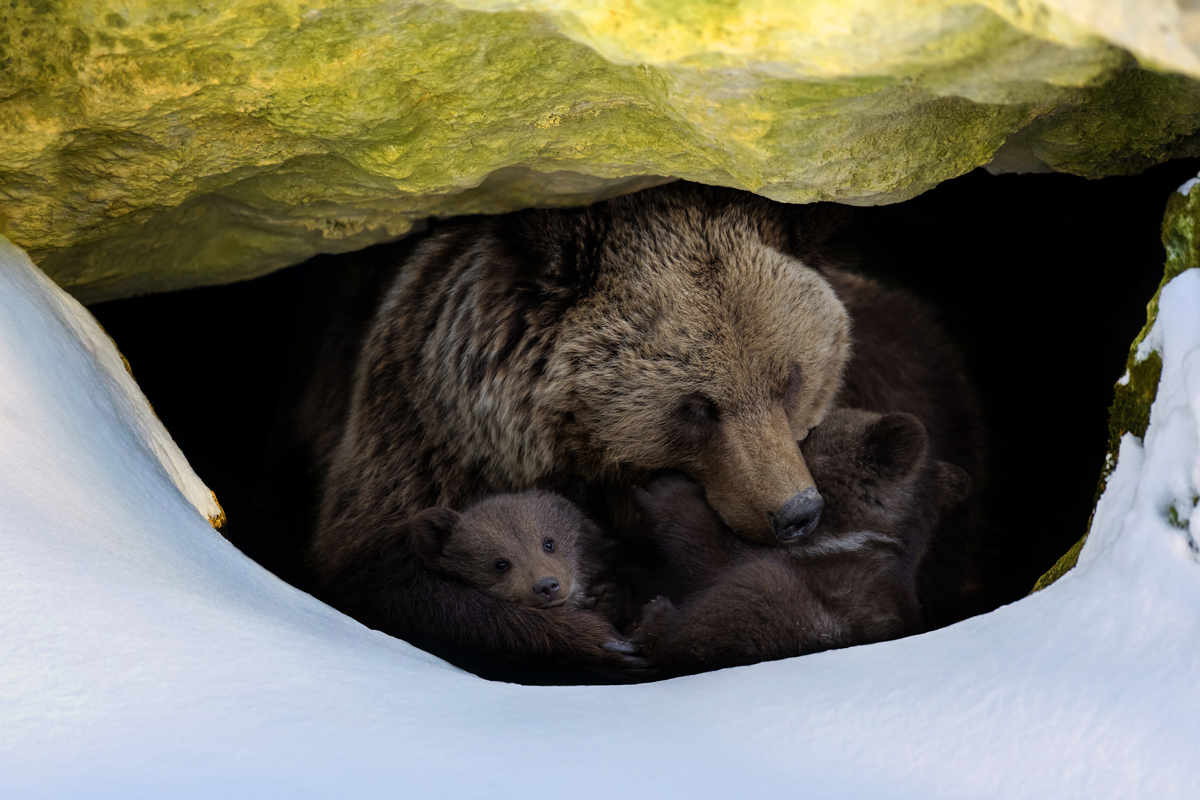

Hibernation sounds like a dream: Eat a ton, take a long nap, wake up when the sun is shining. Except animals that hibernate aren’t really sleeping — and calling it a nap wildly undersells what’s actually happening. In fact, if humans hibernated the way animals do, we’d be considered clinically dead. So how do animals survive it?
During hibernation, animals enter a state called torpor, in which metabolism slows to a fraction of its normal rate. Heart rate and breathing drop dramatically. Waste production stops. Brain activity nearly flatlines. Body temperature can even dip below freezing. Sleep, by comparison, is busy: You’re still breathing steadily, dreaming, and running essential systems. Torpor is far more extreme.
More Than a Long Winter’s Nap
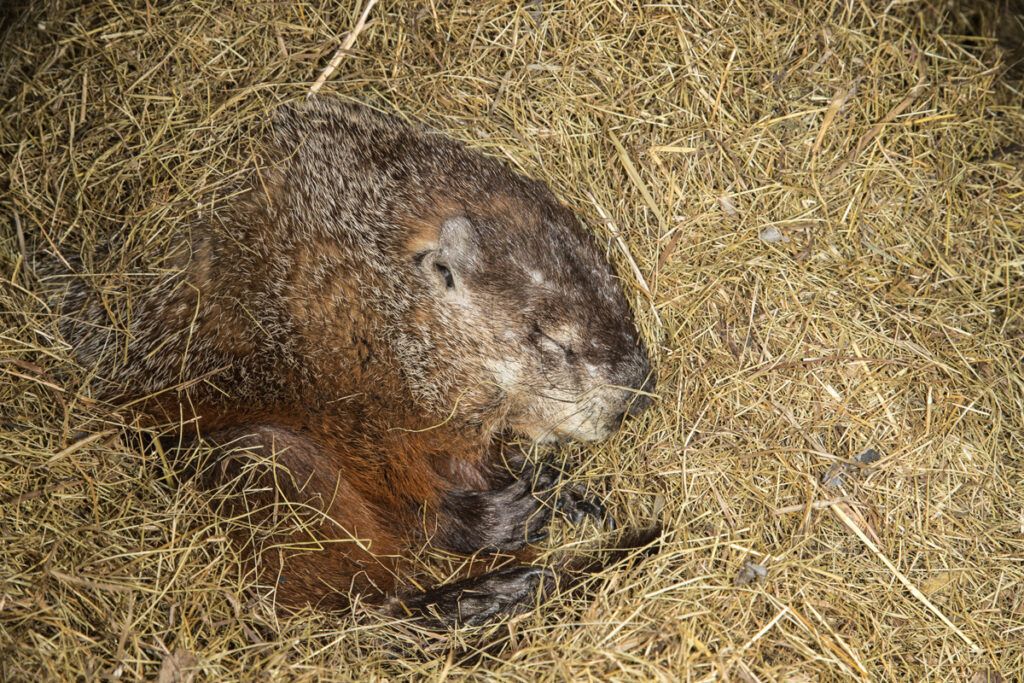
Hibernation is fundamentally about energy conservation. Endothermic animals—often called “warm-blooded” — can regulate their own body temperature, a process that burns a lot of fuel, aka food and water. When resources are scarce, like during a snowy winter, these creatures enter hibernation to conserve energy. But it’s not just animals in cold climates that hibernate — in fact, some tropical animals hibernate during hotter months when water is hard to come by.
Most animals will engage in a period of extreme eating (hyperphagia) before entering hibernation in order to store enough fuel to power their limited bodily functions through the long rest.
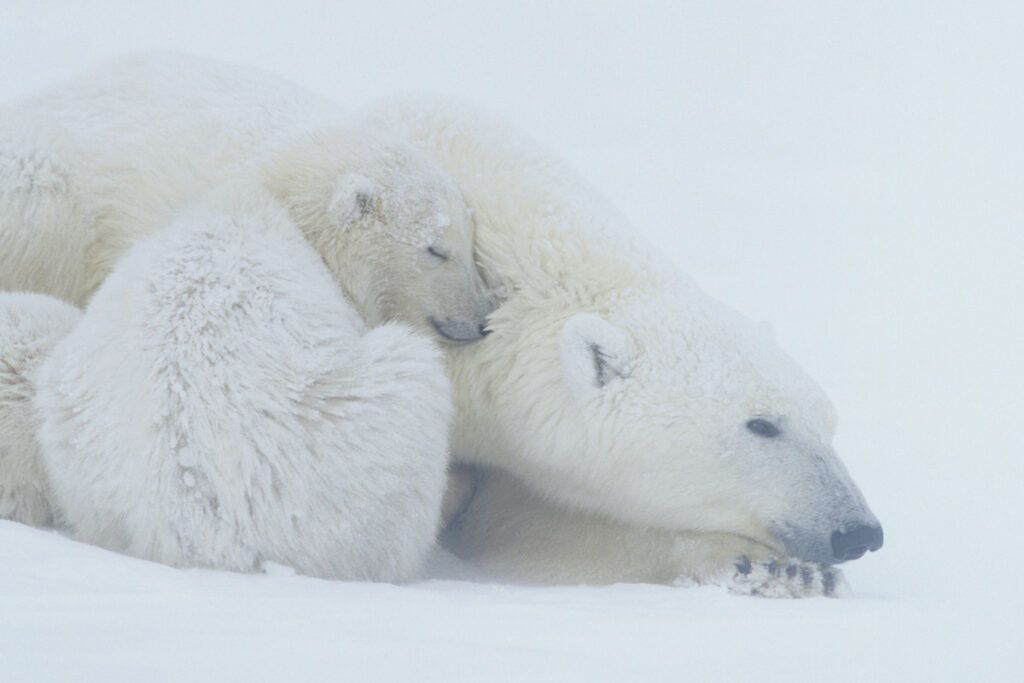
Animals don’t spend their entire hibernation period in torpor. They cycle in and out of it periodically, though why exactly these periods of “interbout arousal” occur is a mystery. They do explain, however, how some mammals like female polar bears can give birth and lactate during hibernation. So when spring arrives, and mama bear leaves her den with a pair of frolicking cubs, that’s a pretty productive winter.
During hibernation, animals enter a state of torpor during which their metabolism decreases to a fraction of its normal rate. Heart rate, breathing, and other physical activities like breathing and eating, slow or stop altogether to help conserve energy during a time of resource scarcity. While commonly associated with cold-weather animals, hibernation occurs in creatures across climate zones and species.
SHORT ANSWER