SCIENCE
Why Does Stirring Stop a Boiling Pot From Spilling Over?
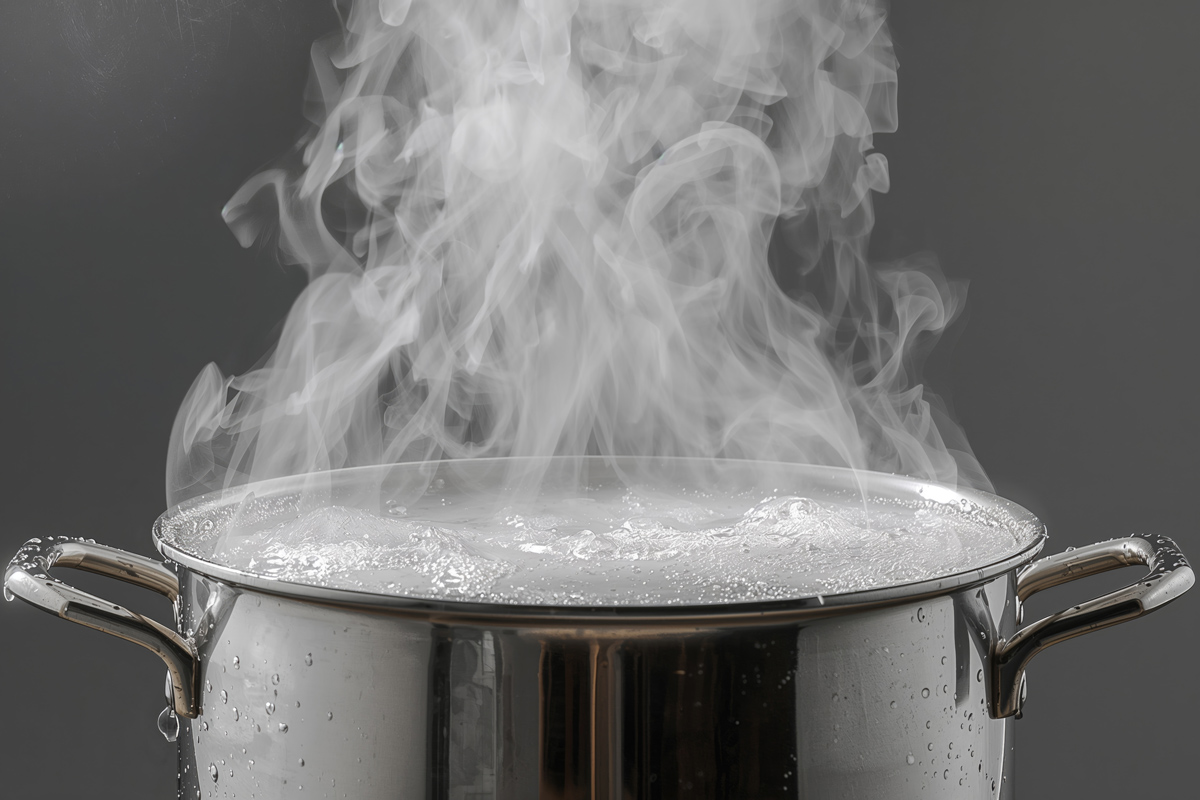

They say a watched pot never boils, but once you take your eyes off the stove, that’s usually when things start really heating up — and spilling over the edges in a foamy froth. If you don’t want a big mess on your hands, you’ll probably grab a spoon to stir things up, bringing your pasta back to a nice rolling boil. But just what’s happening when you stir a pot to bring down the foam?
For such a simple gesture, there are a variety of mechanisms at work, but it really comes down to two primary factors: temperature redistribution and popping the bubbles.
Let’s Stir Things Up
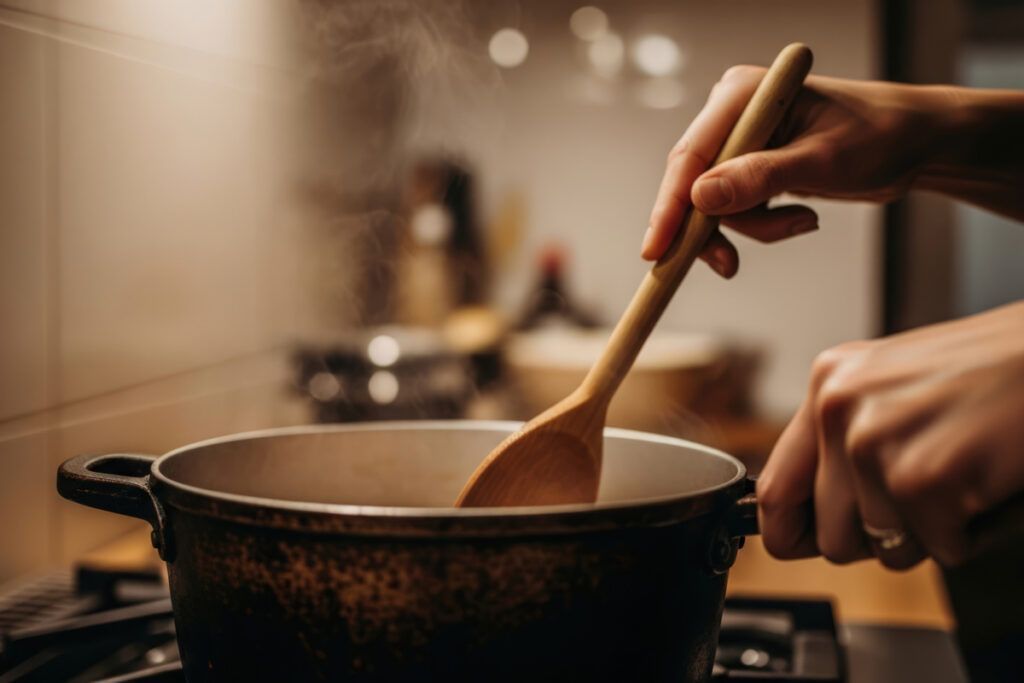
Picture your boiling pot. The water at the bottom of the pot, closest to the heat source, is hotter than the water near the surface. Stirring the pot swirls some of that cooler water down, redistributing the heat and bringing the overall temperature beneath the boiling point. (The thing you’re stirring with — like a wooden spoon — will also temporarily absorb some of the heat.)
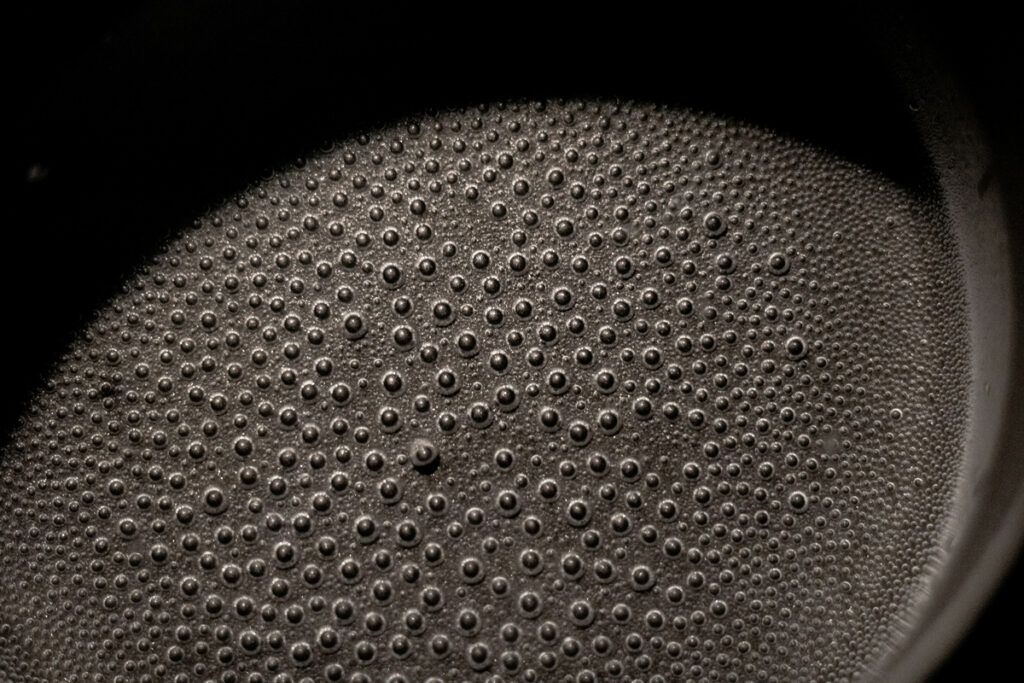
Additionally, those bubbles are fairly fragile, whatever mess they’re threatening. Stirring the bubbles causes them to tear or stretch and then — pop! Once some bubbles burst, other bubbles connected to them will also burst, bringing the foamy surface down to a more manageable layer.
If you’re boiling something like pasta, rice, or milk, the starches and proteins involved create sticky films, which trap steam and air and create an insulating layer of foam. That can cause overheating and make the pot more likely to boil over. Stirring that thick film releases steam, keeping it from trapping the heat and being even more likely to cause a big mess.
So don’t be afraid to stir the pot — in this case, it’s a good thing.
Stirring a pot redistributes the water temperature, bringing cooler water from the surface to the hot water below and lowering the temperature. It also breaks up the bubbles, stretching and tearing them until they pop, and releasing steam.
Short Answer