HEALTH
How Does Antiperspirant Stop Your Sweat?
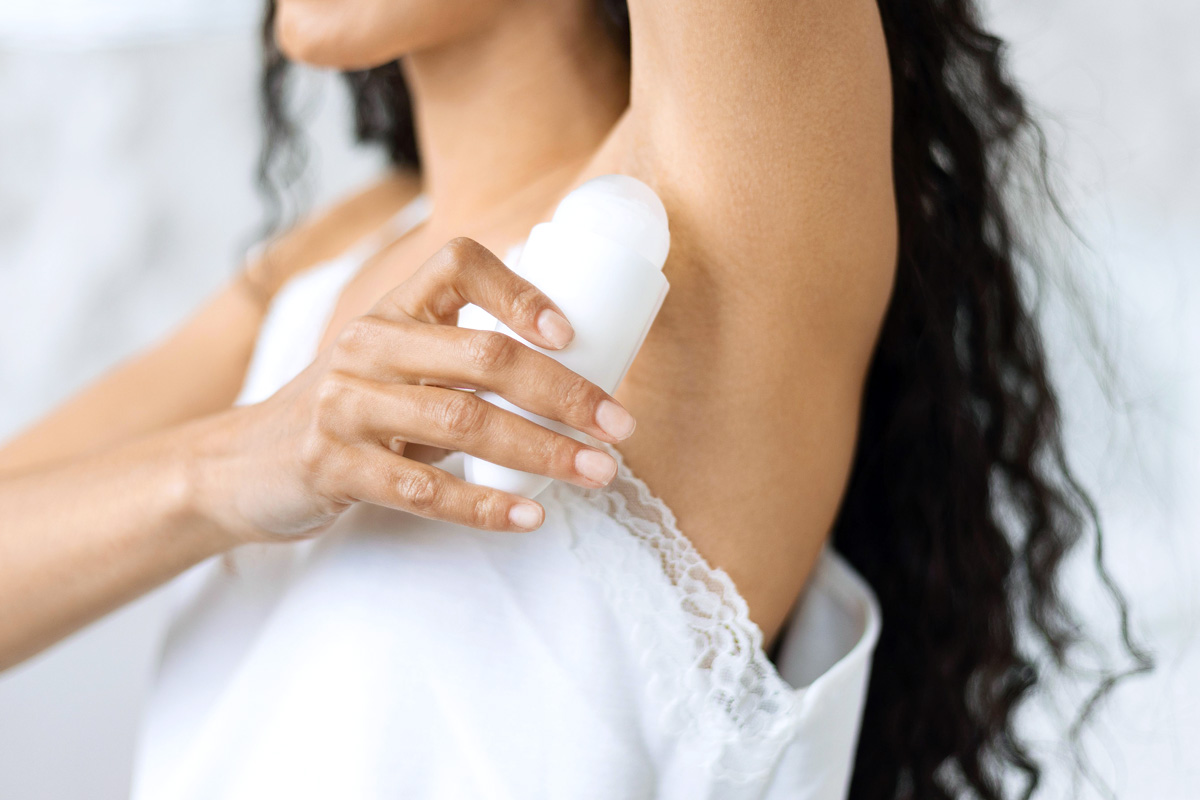

Many people have a mental checklist before heading out the door in the morning: scarf down some breakfast, brush teeth, and swipe a stick of antiperspirant under each arm. If it’s a sweltering summer day or you’re nervous about a work presentation, though, you might still notice some dampness. That may have you wondering if this stuff even works. To get the answer, first you need to ask another question: How does it work?
Antiperspirant isn’t a force field; it’s a clever bit of chemistry that works at the exit of your sweat glands. But it can’t stop perspiration completely. Here’s why.
Put a Lid on It
First, let’s distinguish between deodorant and antiperspirant, neighbors in the personal care aisle. This is easy to do because the name of each product is very literal.
Deodorants don’t prevent sweating — they tackle odor, either by covering the smell with fragrance or by targeting odor-causing bacteria. Sweat itself is odorless, but an unpleasant smell can develop when bacteria on your skin break down the proteins and fatty acids in sweat.
The reason your armpits tend to smell more than the rest of your body is precisely that the dark, enclosed space makes it easier for bacteria to grow, unlike, say, on your elbow. (This is why your feet also tend to be the first to give off odor.)
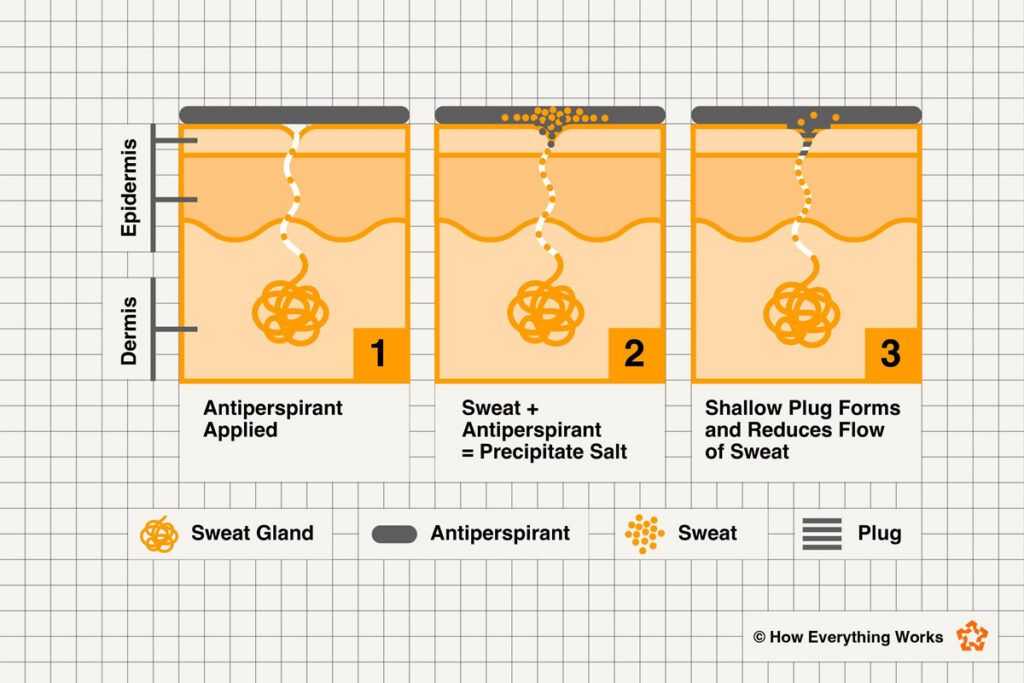
Antiperspirants, as their name suggests, focus on reducing the production of sweat. Instead of dealing with the odor or the bacteria that cause it, they eliminate the sweat that lets them thrive. The active ingredient is aluminum salt, such as aluminum chlorohydrate.
When you perspire, these salts dissolve in the moisture and cause proteins in your sweat to clump together inside your sweat ducts — the tiny tubes that carry sweat to the skin’s surface. This forms a gel-like membrane that collects even more protein as sweat continues to flow through the duct, eventually creating and reinforcing a physical plug that blocks sweat from being released.
These pit plugs are temporary, though, which is why antiperspirant protection doesn’t last forever. The U.S. Food and Drug Administration defines standard antiperspirant effectiveness as a 20% reduction in underarm sweat over 24 hours. Products that demonstrate a 30% reduction can be labeled “extra effective.” Neither ensures you’ll stay completely dry.
Is Blocking Sweat Bad for Your Health?
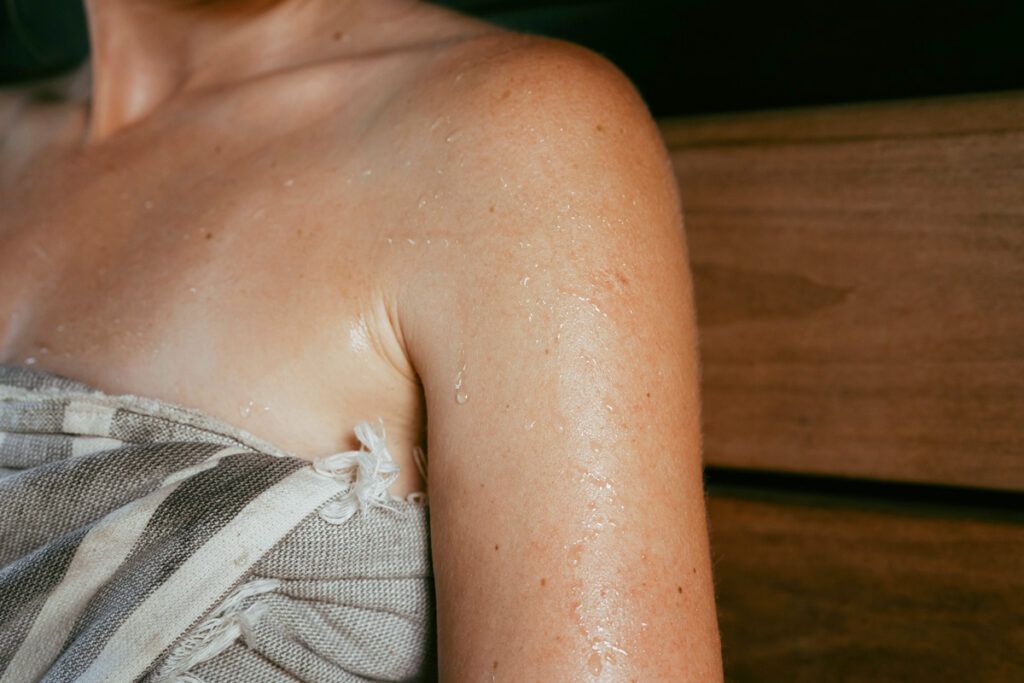
We evolved to sweat for a good reason, as it carries away heat to help regulate our body temperature. But antiperspirant is fine if you’re only swiping it on your underarms. Your body is covered in up to 4 million sweat glands, packed densely on the palms, soles, and forehead. Reducing sweat solely in your underarms doesn’t shut down your built-in cooling system, as heat still has places to exit your body.
A common concern that antiperspirant prevents the toxins in your sweat from leaving your body isn’t supported by evidence either. Your liver and kidneys handle that job, and sweat is a minor exit route at best.
Similarly, worries that the aluminum in antiperspirant can cause Alzheimer’s disease, cancer, or other illnesses aren’t supported by significant evidence. The body does absorb trace amounts of it, but studies have shown that it’s less than what’s absorbed through food and other everyday sources.
So the main concern you may have with your antiperspirant is that the tiny, temporary corks in your sweat ducts won’t make you entirely dry. Keep that in mind when choosing which shirt to wear for your big presentation.
Sweat itself doesn’t cause body odor but does allow odor-causing bacteria to thrive under your arms. While deodorant directly masks smells or goes after the bacteria, antiperspirants instead prevent the sweat that lets the bacteria grow in the first place. Antiperspirants contain aluminum salts that react with proteins in your sweat to form temporary gel-like plugs near the skin’s surface. This helps block and reduce how much sweat gets out and can reduce underarm dampness by 20% to 30%.
Short Answer