CULTURE
Why Is Election Day on a Tuesday?
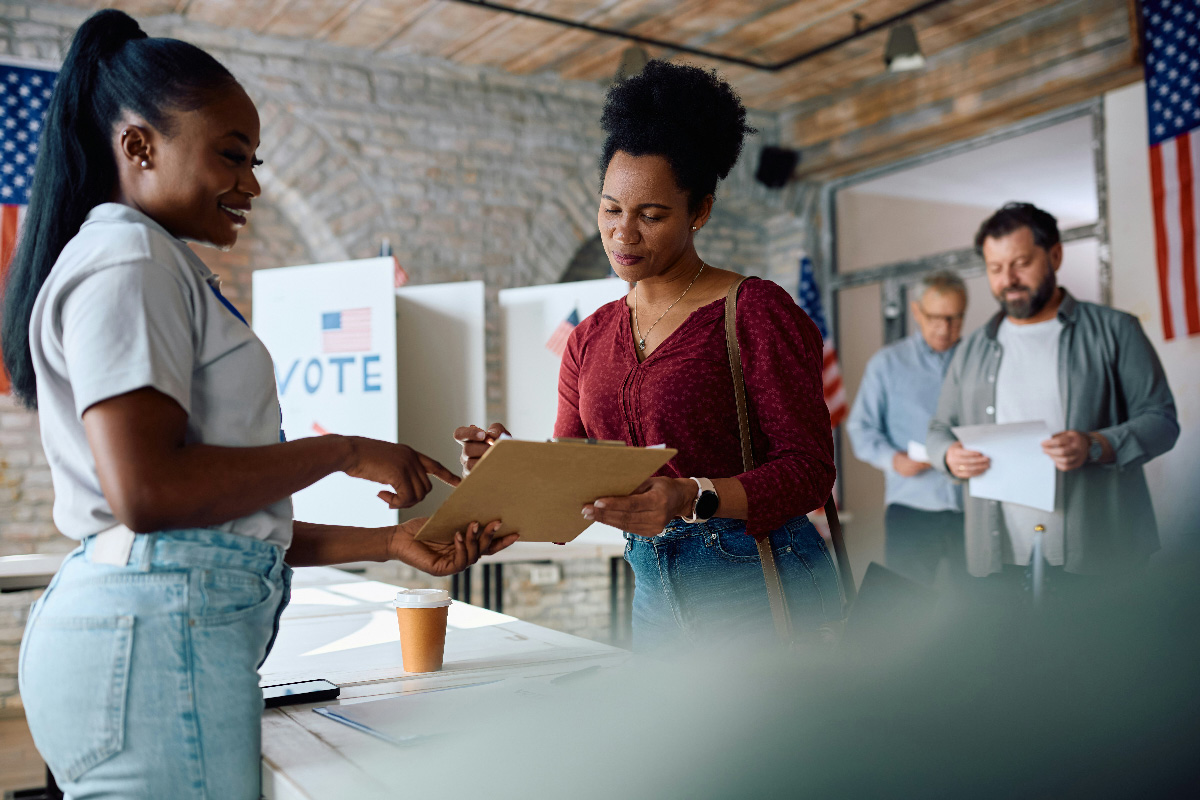

Heading to the ballot box is one of the best ways to contribute to a democracy — if you can get off work, that is.
Most countries intentionally hold elections over the weekend, while some even make Election Day a national holiday to ensure everyone has the opportunity to vote. But the U.S. is one of the nations where voting takes place on a workday. Specifically, it’s always held on a Tuesday, and more specifically, on the Tuesday that follows the first Monday in November.
This isn’t random, though. There’s a reason Election Day is always on a Tuesday, and on that Tuesday in particular.
A Vote for Tuesday
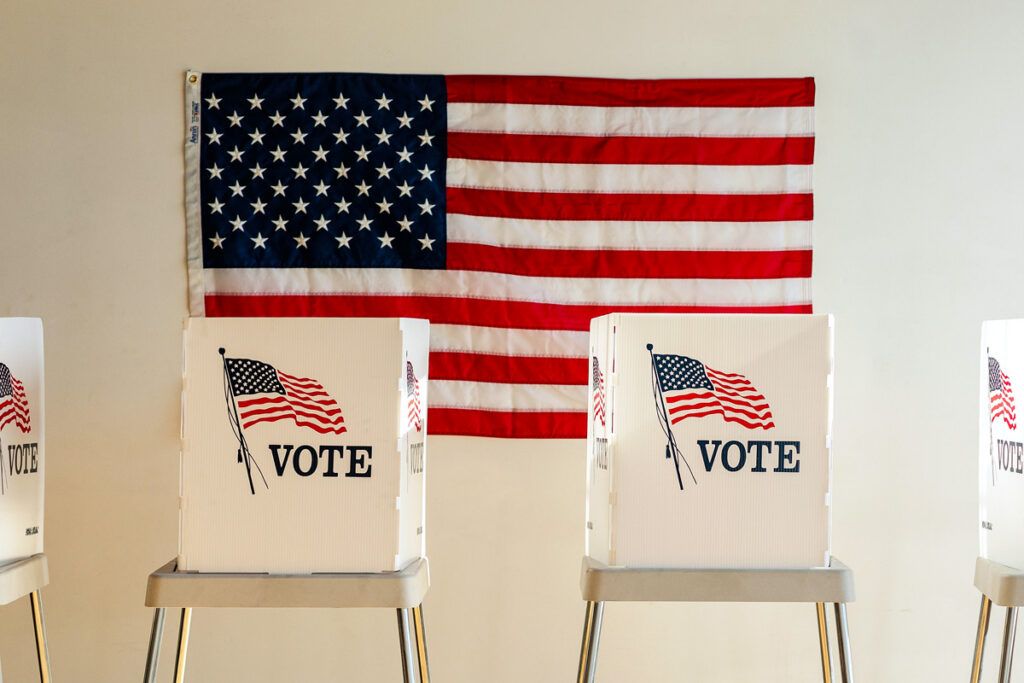
Federal elections, which include congressional and presidential elections, haven’t always been on a weekday, or even on the same day each time. Instead, Election Day varied by state. That changed in 1845, when Congress passed a law that solidified a national voting day. (The first national Election Day took place on November 7, 1848.)
So why Tuesday? Farmers. In the 1800s, a majority of Americans worked on farms and lived in rural areas that were far from the polls. Farmers typically went to church on Sundays and sold their produce at markets on Wednesdays. They also tended to work harder later in the week, because many considered Sunday to be a day of rest and prepared for it by chopping wood, prepping meals, and doing other tasks that would have to be put on hold for the day.
That more or less left Monday and Tuesday as the best options for a national voting day. And since it would be another few decades before cars became commonplace, traveling miles to a polling place was by no means a short or easy commute. Tuesday was chosen over Monday to allow for plenty of travel time to and from the polls, ensuring more voter participation.
Farmers influenced not just the day of the week elections are held, but also the month itself. November was selected to avoid planting season in spring and summer and harvesting season in early fall. Plus, early November provided an ideal window for weather, before winter snow interfered with travel plans.
The reason Election Day isn’t simply on the first Tuesday of the month has to do with religion. The first Tuesday can sometimes fall on November 1, which is All Saints’ Day in the Christian religion. To avoid the holiday, Congress decided on the first Tuesday after the first Monday in November
Technically, the national voting day only pertains to federal elections, since Congress doesn’t have jurisdiction over how state and local elections are conducted. But it’s cost-efficient and convenient for voters to fill out all their ballots at once, which is why most state and local elections are also held on Election Day, in an effort to maximize voter turnout.
Modern Changes
Today, we still make our way to the polls in early November to cast our votes. But most workers are no longer farmers, and the workweek looks much different these days. With a 40-hour workweek and 9-to-5 hours, a single Tuesday for the entire country to vote doesn’t make quite as much sense as it used to. Not only is it a workday, but long lines often form at polling places because many workers go to vote at the same time — before or after work, or during their lunch break.
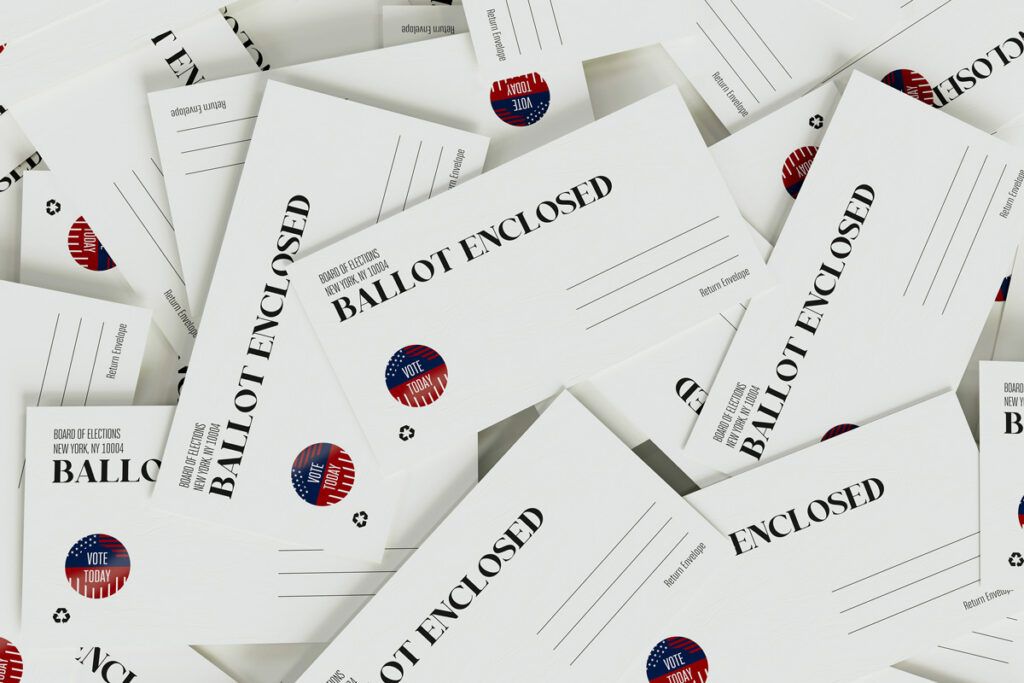
To help increase voter turnout, some states have made it easier for Americans to vote at other times, including by offering early voting periods. Another increasingly popular method is mail-in voting, which allows you to cast your ballot at home (or at the office) and drop it in a ballot box on or before Election Day.
Some people, including scholars and politicians, have also made a case for making Election Day a national holiday, giving voters the day off work so they can head to the polls at any time, which would also reduce long lines at certain times of day.
Again, the argument is that this would improve voter turnout — making sure everyone has the chance to make their voice heard.
In 1845, Congress mandated that the entire country must hold federal elections on the same day. Tuesday was chosen because it was the most convenient day for farmers, who made up a majority of the workforce at that time. Farmers brought their goods to market on Wednesdays and were often busier later in the week preparing for a day of rest on Sunday. Monday was set aside as a travel day to polling sites. November itself was selected because it didn’t interfere with the planting or harvesting seasons.
Short Answer