SCIENCE
How Baking Soda Does… Everything


You won’t find many products that are equally useful for making cookies, soothing bug bites, and unclogging toilets. But there’s a compound that claims all of those abilities and many more besides, like some kind of magical potion gifted to humanity.
That compound is baking soda, and its uses extend far beyond its namesake purpose. Here’s a closer look at what makes baking soda an ideal substance for solving a surprisingly long list of everyday household problems.
What Even Is Baking Soda?
The technical name for baking soda is sodium bicarbonate, a chemical compound that’s typically in the form of an odorless, white, crystalline powder. The fact that it’s a powder may be confusing, since it’s not the same as baking powder.
Baking soda is pure sodium bicarbonate, which reacts with acid (usually not the acid that eats through metal; think more like lemon juice). Baking powder, on the other hand, comes with some form of acid mixed into sodium bicarbonate already, so it only needs water to be activated.
The reason sodium bicarbonate reacts strongly with acid is because it has a high pH. That makes it the opposite of an acid, known as a base. Because of this, baking soda is alkaline, which effectively means it’s water-soluble and can be used to neutralize acids. It’s also nontoxic and mildly abrasive. Together, these properties give baking soda its wide range of uses. Here are 10 of the most
Baking

Obviously, baking soda is useful for baking. Perhaps less obvious is why. When added to recipes, baking soda acts as a leavening agent, producing light, fluffy baked goods. This leavening process is activated when baking soda is mixed with an acidic liquid such as vinegar or lemon juice, which in turn releases carbon dioxide gas that causes dough to expand.
Dental Care
Baking soda is a natural whitening agent, since its mildly abrasive texture makes it useful for scrubbing away superficial stains on the teeth. The basic (as in properties of being a base) nature of baking soda can also be used to neutralize acids in the mouth, which increases the pH of your saliva and inhibits the ability of oral bacteria to thrive.
Bacteria help form plaque and also lead to bad breath, so essentially, by mixing baking soda with warm water, you can use the compound just like any typical mouthwash.
Cleaning Clothes

Baking soda’s effectiveness in the laundry room is because of its alkaline nature. When dissolved in water, baking soda neutralizes acids that might be causing unpleasant odors or stains. This helps your clothing come out smelling fresh, and it also helps whiten mild discoloration.
Deodorizing
Whether you’re using it to deodorize your fridge, shoes, or even reaching for it as a replacement for your Old Spice, baking soda is a highly effective deodorizer. Many of the bad odors we’re faced with come from acidic substances. By applying some baking soda, you can neutralize those acids and keep odors at bay.
Unclogging Drains
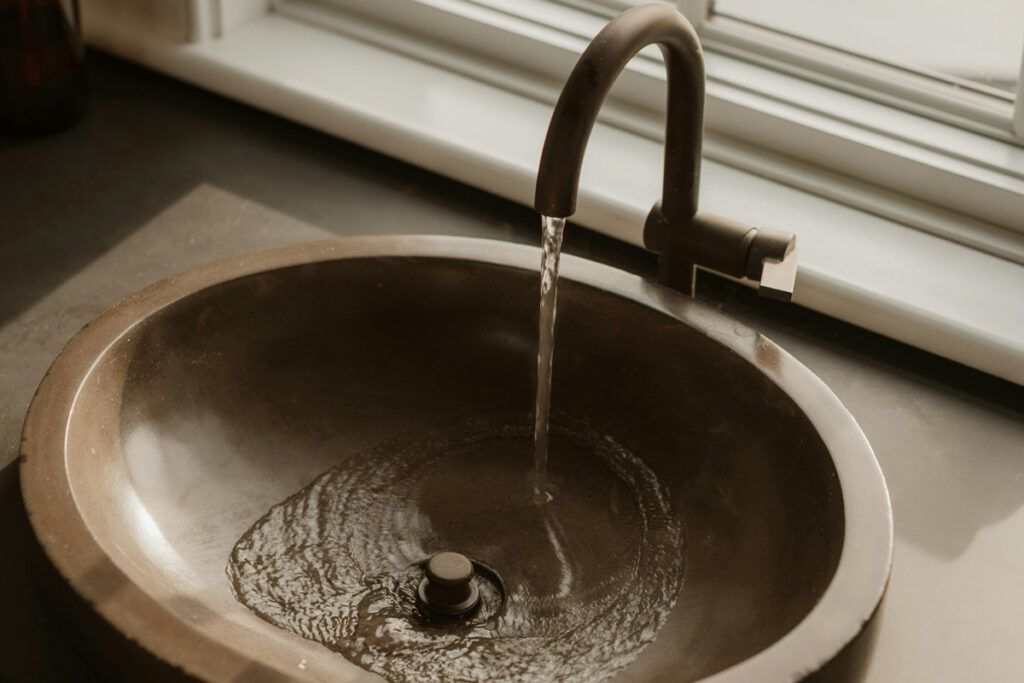
When mixed with vinegar, baking soda produces a bubbling reaction (similar to how it works when fluffing up pancakes and cookies). If you were to pour the combination down a clogged tub or sink drain, that chemical reaction can also physically rustle the clog loose. Then all you need to do is flush the debris from your pipes with boiling water.
Treating Bug Bites
Mixing 1 tablespoon of baking soda with just enough water to create a paste can be an effective remedy for treating itchy bug bites. The alkaline baking soda neutralizes any of the acids that are being produced by the bite and causing you to itch. Just apply the paste and let it sit for 10 minutes. Wipe it away, and you should feel immediate relief.
Killing Weeds

Pulling weeds out of the ground typically isn’t enough to remove them in the long term, as they have deep roots that’ll inevitably regrow. But if you sprinkle a bit of baking soda onto the soil where the weeds are growing it creates an inhospitable (but nontoxic) environment for future growth.
This time, baking soda’s secret power isn’t its alkalinity — it’s that the substance is also high in sodium. You’re essentially salting the earth, which prevents vegetation from being able to absorb water and grow.
Cleaning Food
When you buy fresh produce, one of the most pressing concerns is whether there are pesticides remaining on the skin of food, even after washing it under the sink. Research has shown that baking soda can help relieve those worries.
The alkaline nature of sodium bicarbonate breaks down the chemical bonds of pesticides, loosening and dislodging toxins from the skin of an apple or other food surface. Simply soak fruits or veggies in a solution of baking soda and water for up to 15 minutes before rinsing off to help remove any residual pesticide.
Treating Heartburn
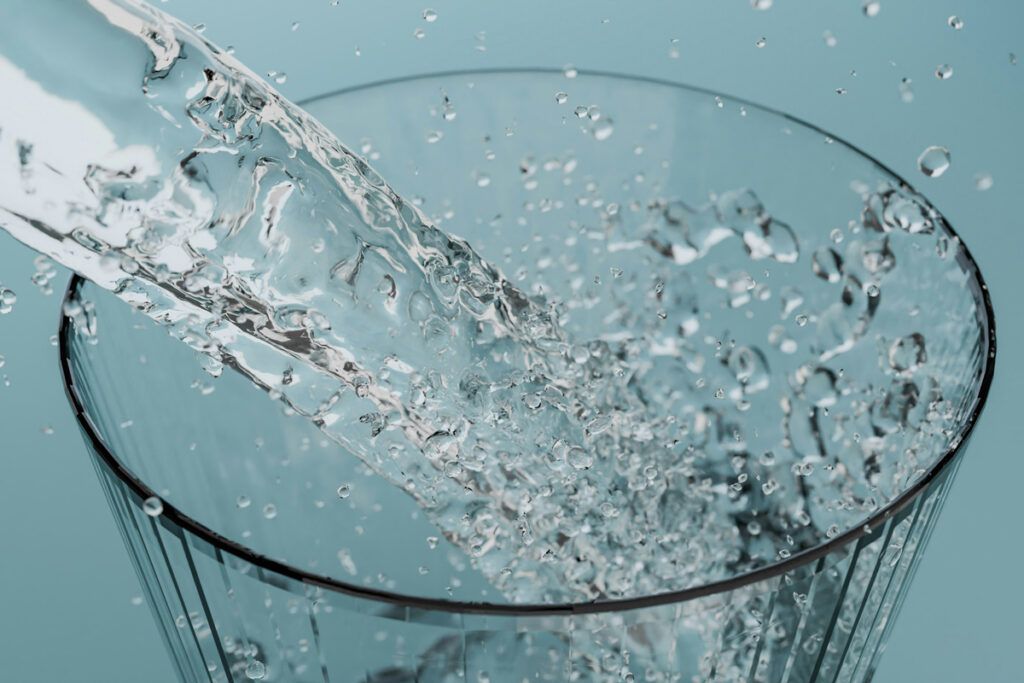
For anyone struggling with heartburn, baking soda may be a welcome solution. As you may know, heartburn is caused by stomach acids backing up in the esophagus (the tube that connects your throat to your stomach). To fix this, drink a half teaspoon of baking soda and four ounces of water. The alkaline properties of baking soda will neutralize excessive acids in your stomach or esophagus to provide relief.
Freshening Carpets
Dirty carpets can be quite hard to clean, especially without using harsh chemicals. Enter baking soda, the solution to so many housekeeping woes.
Just sprinkle baking soda onto the carpet and let it sit for anywhere from 15 minutes to several hours if the problem is especially serious (we’re looking at you, pet owners, smokers, and parents of young children). The compound will absorb odors and mild staining caused by acidic sources. After that, simply vacuum it up and the carpet should be cleaner and refreshed.
These are just some of the many uses for baking soda, largely due to its alkaline nature. It’s not a magic potion — it’s just chemistry in motion.