SCIENCE
Why Do Fans Make You Feel Cooler?
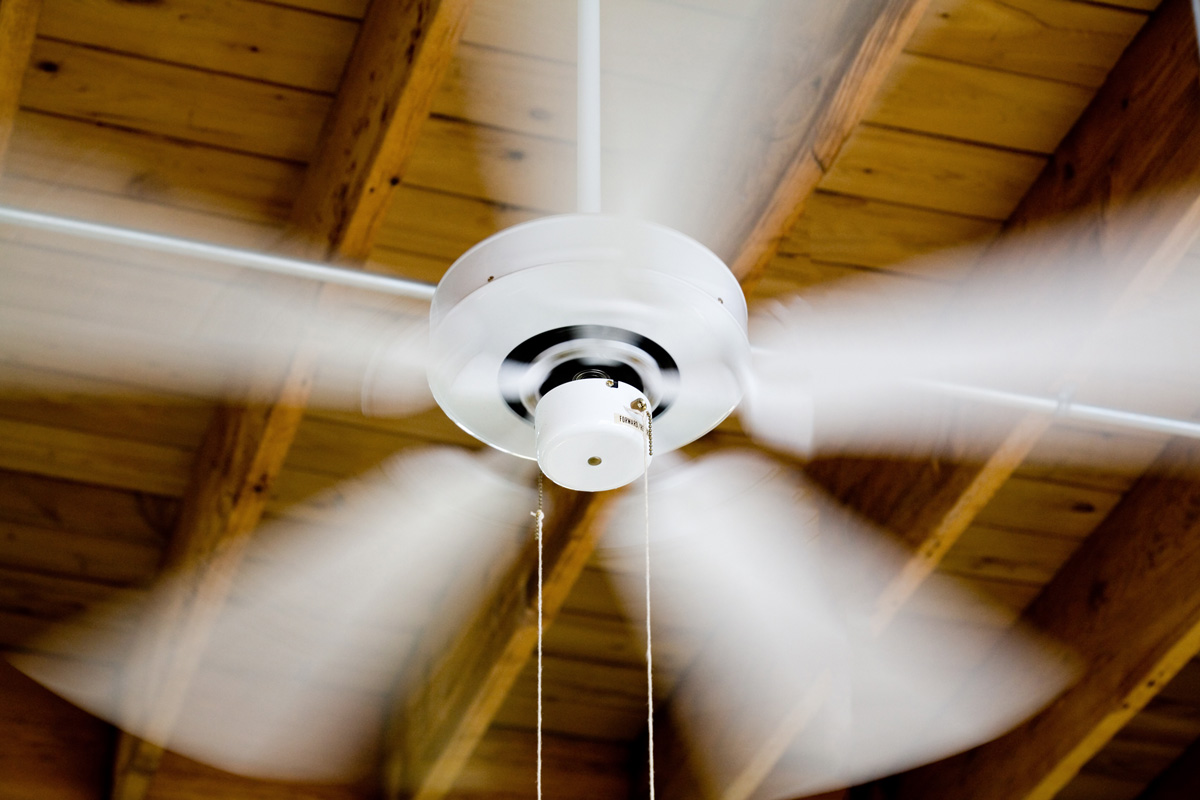

If you’ve ever sat on your front porch fanning your face with a magazine, you know just how effective a gust of air can be at offering respite from a sweltering summer day.
Whether generated by yourself or by an electric fan, this breeze doesn’t actually lower the temperature. When it’s hot enough, a fan may even be just blowing warm air toward you.
It may seem counterintuitive, but fans still help keep you cool by doing this. Unlike air conditioners, they’re not designed to chill the air — instead, they help your body regulate its own temperature. Here’s how.
Taking the Heat

Let’s clear the air: A fan has no significant effect on the temperature in a room. In fact, fans can add heat given off by their motors. But this doesn’t mean they don’t work — you haven’t been ripped off by the Big Fan industry.
What a fan does is move the air around, which has a cooling effect on people. When it gets hot, we sweat. Our bodies need to maintain a relatively constant internal temperature (around 98 degrees Fahrenheit) to function properly, and sweating is how we help keep that temperature steady. When the small beads of water and salt that appear on our skin evaporate, they take heat away with them, allowing our skin temperature to cool.
This is why humidity makes the weather feel so much worse — if sweat can’t evaporate into air that’s already saturated with moisture, our bodies can’t shed excess heat. When we’re standing in front of a fan (or enjoying a nice breeze while outside), the moving air helps sweat (which is trapping excess heat within each droplet) evaporate faster, so we feel cooler.
Our bodies also radiate heat, creating a layer of warm air around our skin (similar to how air over a charging phone may feel warm). Wind strips that layer away, making room for more heat to leave the body.
Using Fans as Heaters

This is great when it’s a refreshing breeze on a hot day, but dangerous when it’s a frigid gust on a cold day. In that case, you want your body enveloped in a layer of warm air, and having it blow away will make you feel much colder. That’s why weather reports include the wind chill effect, letting us know how much wind will affect how we perceive the actual temperature.
If you do find yourself cold in the winter, a ceiling fan can be used to warm you up. This only works if the direction of its blades can be reversed. That’s because warm air rises toward a room’s ceiling while cooler air remains toward the floor.
A ceiling fan rotating clockwise at a low speed pulls colder air up and pushes warmer air back down toward you. The fan will continue to circulate the warm air, even as it drifts back up, preventing cold spots. So, really, it’s a good thing fans just move air and don’t actively cool you down — otherwise you definitely wouldn’t want to turn one on in the winter.
Fans create moving air, which doesn’t reduce the temperature in the room but instead whisks away the warm layer of air that radiates naturally from your body. Fans also help sweat evaporate faster, creating a cooling effect. That’s because your body regulates its internal temperature by releasing heat through sweat – you can’t release additional heat until the sweat on your skin evaporates and dissipates that heat into the air.
Short Answer