TECHNOLOGY
How Do Traffic Lights Know When To Change?
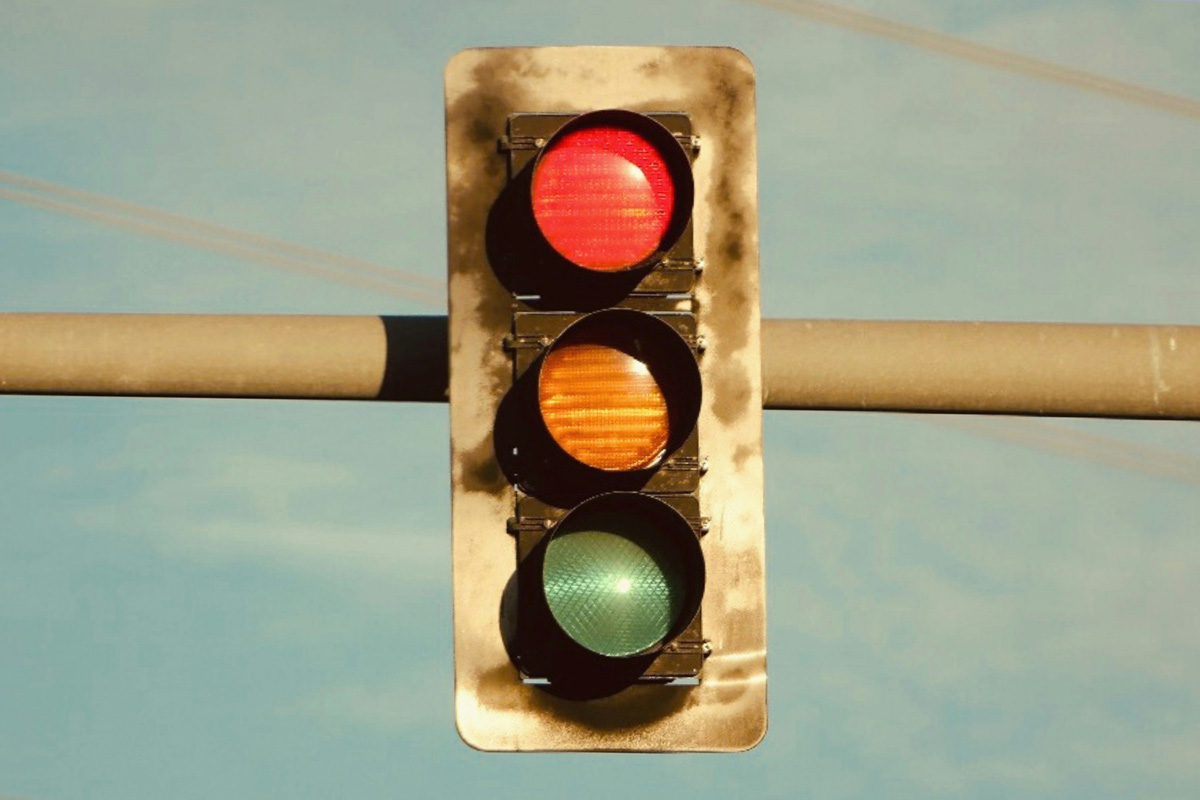

Nobody likes pulling up to an intersection where it seems as if the light stays red forever. Maybe the cross traffic is heavy, or — even worse — you’re the only car waiting. Whatever the situation, the light just refuses to turn green.
Of course, it’s just a machine — it doesn’t know any better. It doesn’t know anything. Or does it? Do traffic lights just rotate on timers or are they “smart” enough to know when they should change?
Red Light, Green Light
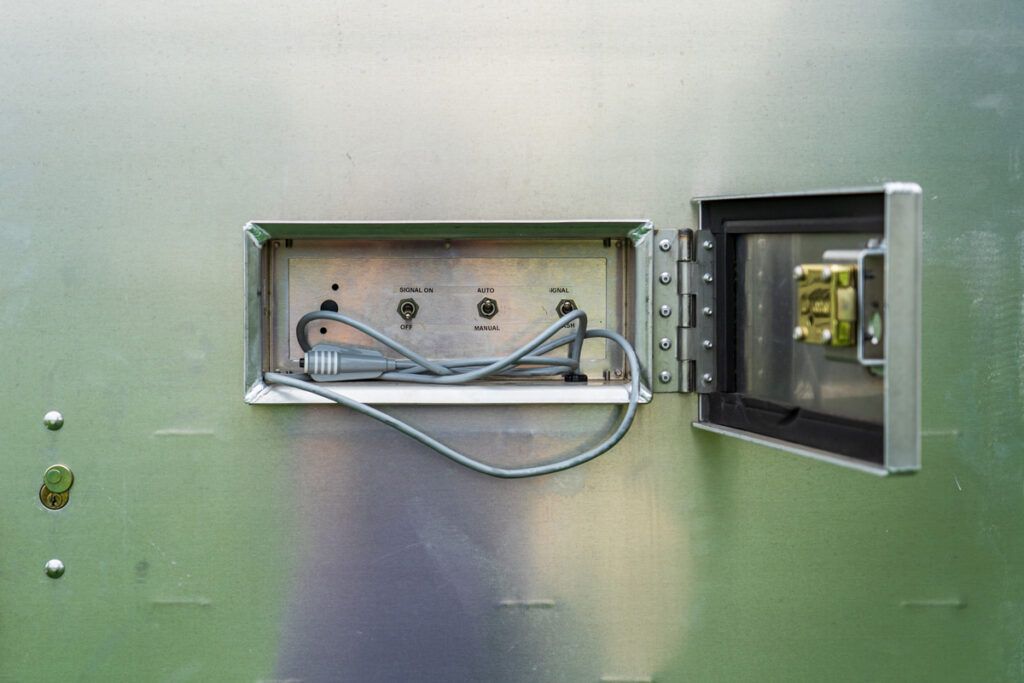
The brains of the device are the traffic signal controllers. They’re those large metal boxes you see near the intersection, and they control how the traffic lights work based on how traffic engineers program them. But, how these controllers decide when to change the light can vary, as different traffic lights use different methods.
At some intersections, traffic signals use fixed schedules. These lights phase through green, yellow, and red using a strict order, rather than any sensors. The schedules can be adjusted by the traffic engineer for specific times of the day. For instance, when traffic is heavier, such as during rush hour, the light can be programmed to remain green longer before changing.
But sometimes you may pull up to a red light and see it change to green almost immediately. That’s because it sensed your car, most likely with something called an inductive loop detector — those grooves carved into the asphalt at a stop light.
Buried underneath are wire loops that create an invisible electromagnetic field. When you drive over them, your car disrupts that field, which sends a signal to the traffic light.
If no passing cars are disrupting the other fields underneath the intersecting road, this signal tells the light, “Hey, we’ve got someone waiting here! Let’s go already!” You then get the green light (literally) to go.
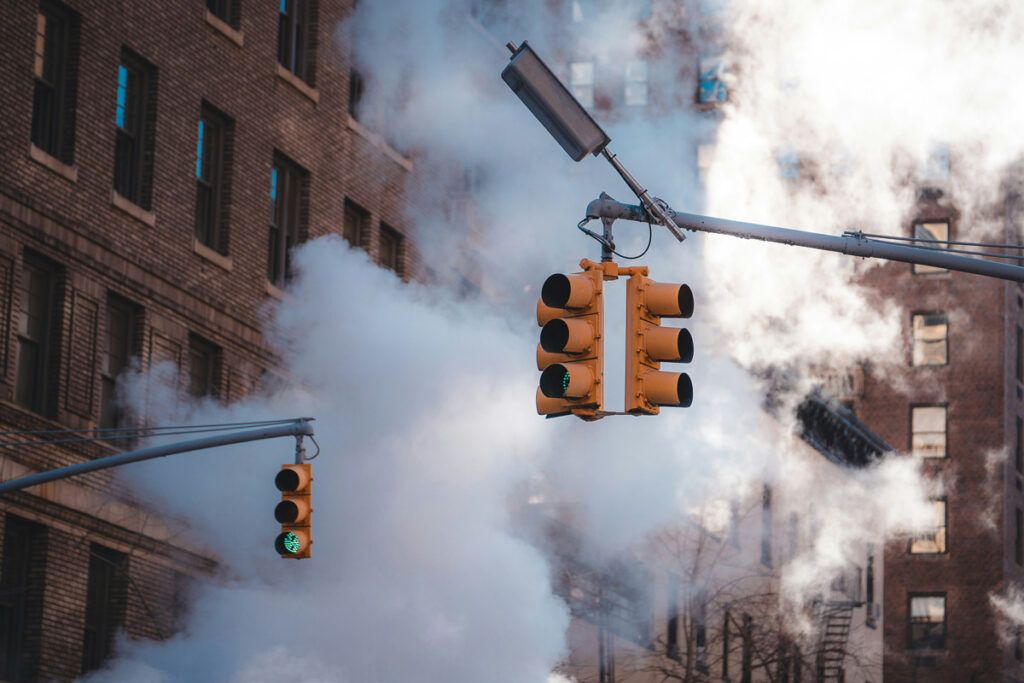
Other intersections may rely on cameras, radar, or other sensors to detect traffic and change signals. Video cameras analyze the roads and determine if cars waiting for the light to change are beginning to back up. Radar uses radio waves to sense cars and can work even when cameras can’t.
And sometimes it’s triggered by people. By pressing the crosswalk button, a pedestrian lets the traffic signal controller know they’re waiting to cross the street. The light might not change immediately, but the controller factors in their request when changing during the next light cycle.
If you’re the pedestrian, it might feel like you’re being ignored and pressing the button has no effect, but it does. Similarly, if you’re a driver sitting at a red light, you may feel unseen, but the light has nothing against you.
It’s more likely following a carefully programmed schedule and has to consider every car and pedestrian that wants to cross and from where. Just as we have to share the road, we also have to share the traffic lights.
Not all traffic lights change the same way. They can be based on fixed schedules or use cameras, radar, or sensors underneath the road to recognize traffic and decide when to change. Pedestrians pushing the crosswalk button can also affect when a light changes.
Short Answer