TECHNOLOGY
How Do Polaroid Cameras Work?
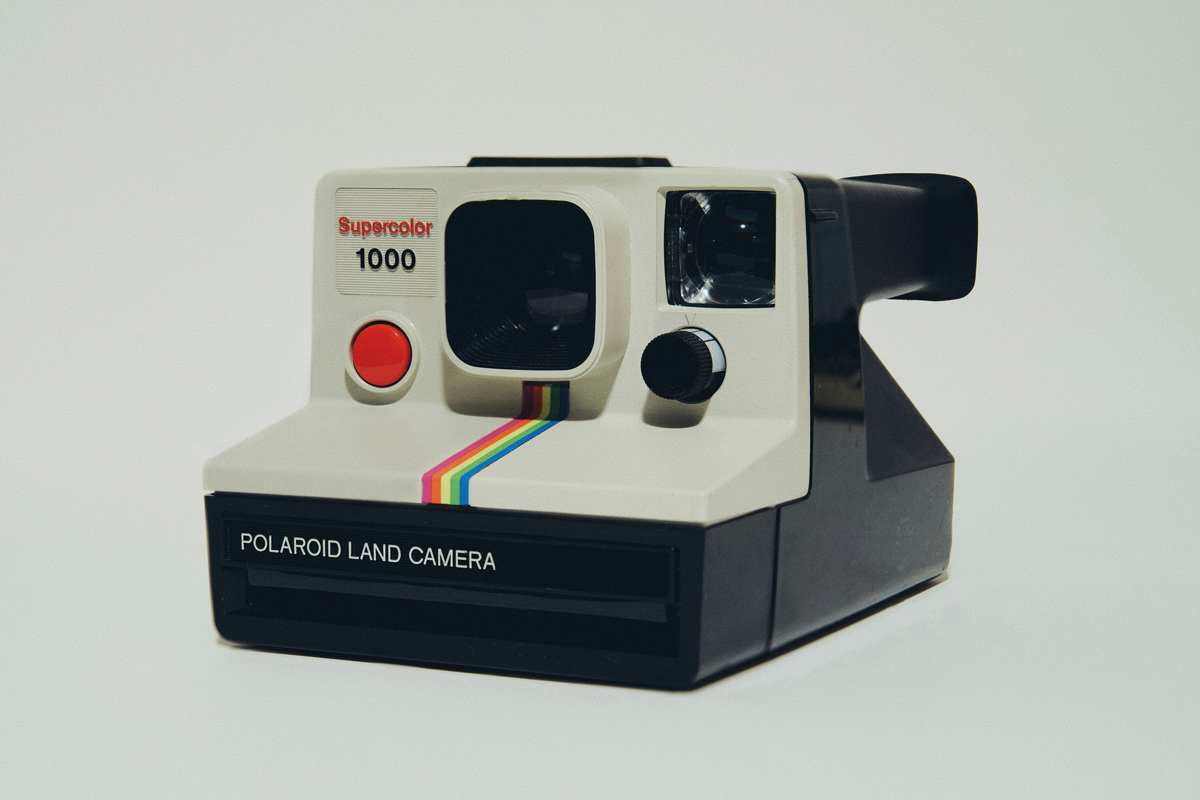

Instant photography is nothing groundbreaking today. You snap a photo on your smartphone and it’s accessible, editable, and printable in a fraction of a second. But that immediacy was practically unheard of until one iconic invention changed photography as we know it: the Polaroid camera.
Unlike digital photos, a Polaroid doesn’t just appear — it develops right before your eyes. An opaque square of film emerges from the camera, shapes begin to emerge, and within minutes, an image takes form. It feels a little like watching a photograph come to life, and what’s happening beneath the surface is just as magical as it appears to the naked eye.
Impatience Breeds Innovation
The demand for immediate photography came from, where else, a 3-year-old. Jennifer hated waiting to see her father’s photographs, so American inventor Edwin Land created the first Polaroid camera — then known as the “Land Camera” — in 1947. Since then, other companies such as Kodak and Fujifilm have developed their own instant cameras, but the name Polaroid became the common name for this specific kind of instant nostalgia.
The physical camera itself is actually quite simple, containing a flash, shutter, and (in many older models) a stationary mirror that inverts the image. The chemical magic happens on the film itself. Before the Polaroid, developing a photo was a laborious process involving dark rooms, photography paper, various chemicals, and a lot of patience. Today’s color instant cameras bake all this chemistry into more than a dozen distinct, extremely thin layers that live on the film paper itself.
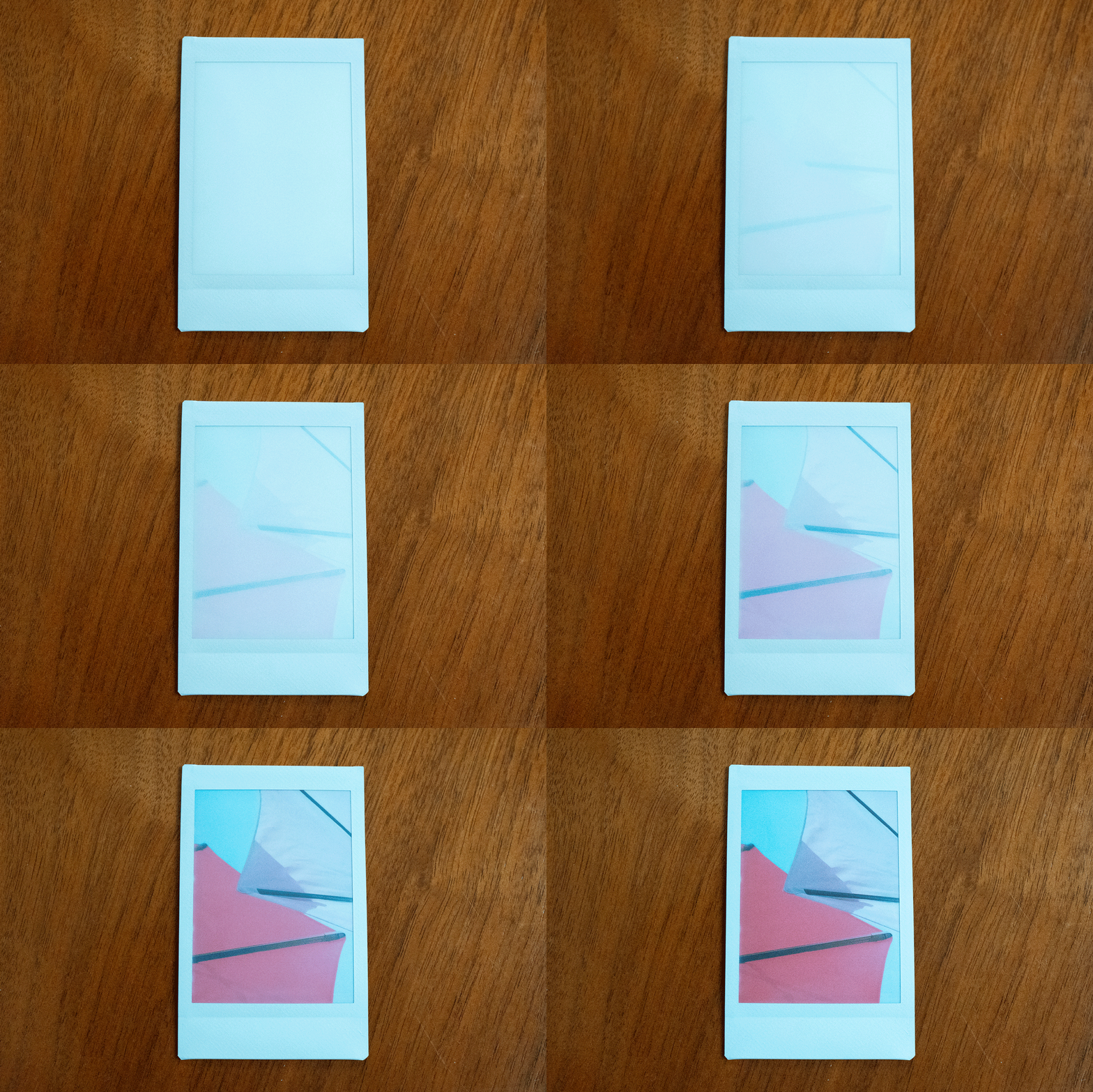
Meanwhile the chunky white border along the bottom of the photo houses a chemical pack known as the “reagent pod,” which is filled with all the developer chemicals needed to develop the image. When a photo is snapped, reactive layers embed color information into the film, then the camera pushes the image-in-progress through a set of rollers, crushing the reagent pod, coating the film, and initiating a dye transfer as the chemical information embedded in the dye layers rushes up to the image layer.
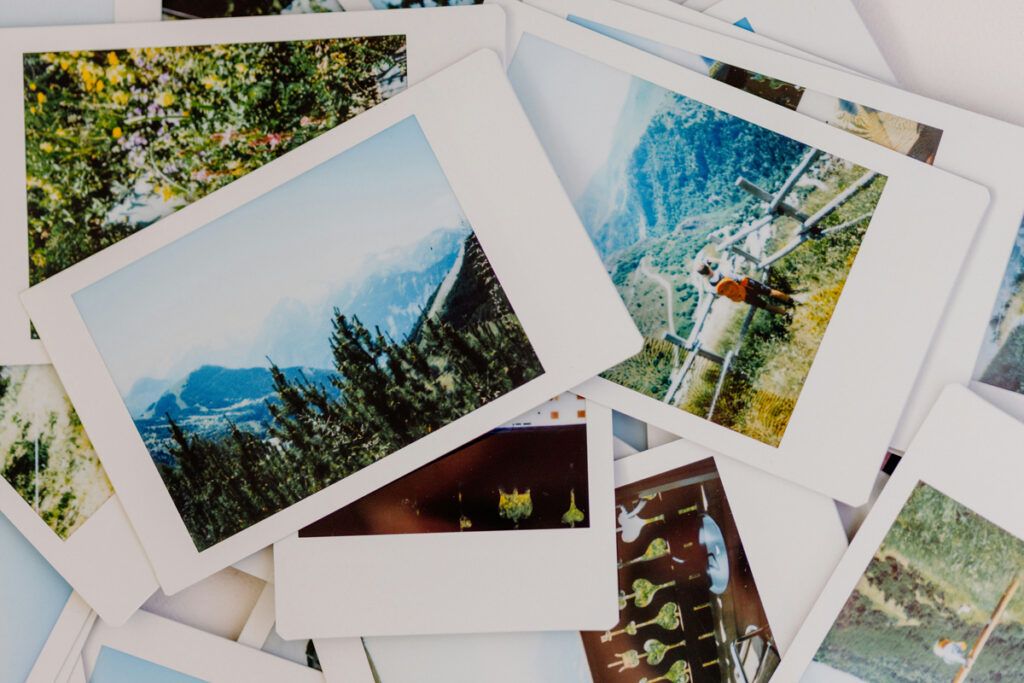
Depending on which colors are included in the image, different crystals block the underlying dye layer from getting through. For example, if the layer sensitive to green is exposed, the underlying magenta layer can’t get through, but the other color layers — cyan and yellow — can, which, when mixed together form the green leaves of the tree you just photographed.
When the film is finally ejected, the photograph is still sensitive to light so opacifiers form the tell-tale cloudy layer that slowly turns clear once the photo is fully developed, taking about 60 seconds.
Picture perfect.
It’s the Polaroid film — not the camera itself — that allows photos to appear moments after you snap a picture. The thick white bottom of Polaroid film contains more than a dozen different chemicals used to develop film, which are distributed as the paper is pushed through rollers and ejected from the camera.
Short Answer