TECHNOLOGY
How Do Robot Vacuums Know Where to Go?
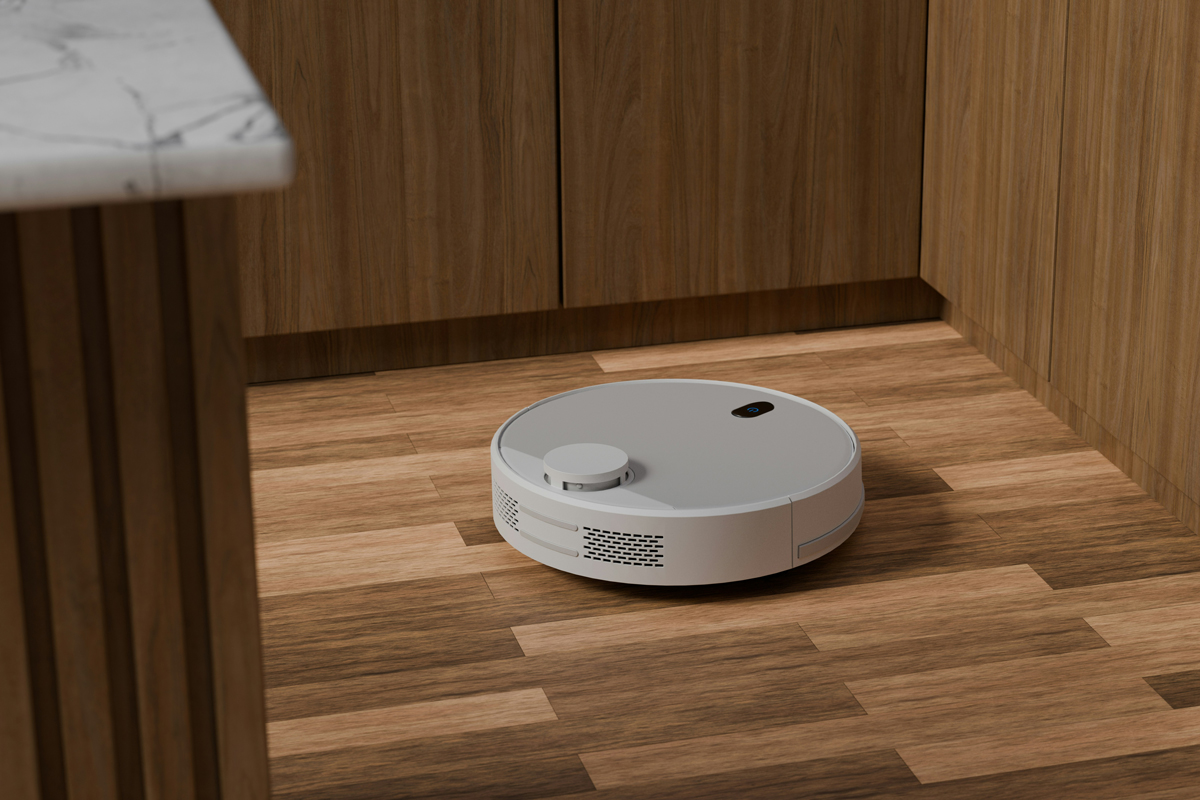

It’s hard to deny the convenience of the robot vacuum — it eliminates one of the loudest, most backbreaking household chores. It (rather slowly) makes its way around your home making sure every inch of your floor gets covered while avoiding stairs, navigating around furniture, and slipping through doorways, before returning to its charging dock to recharge.
Even if it seems uncanny, it’s not magic: Today’s robot vacs, which can also now mop, use a surprisingly sophisticated series of technological components to navigate your home without knocking over flower vases or running over Fido’s paw.
We’re not quite at The Jetsons level yet, but what looks like a simple household appliance is getting very close to a miniature robot that knows its way around your house better than you do.
Reading the Room
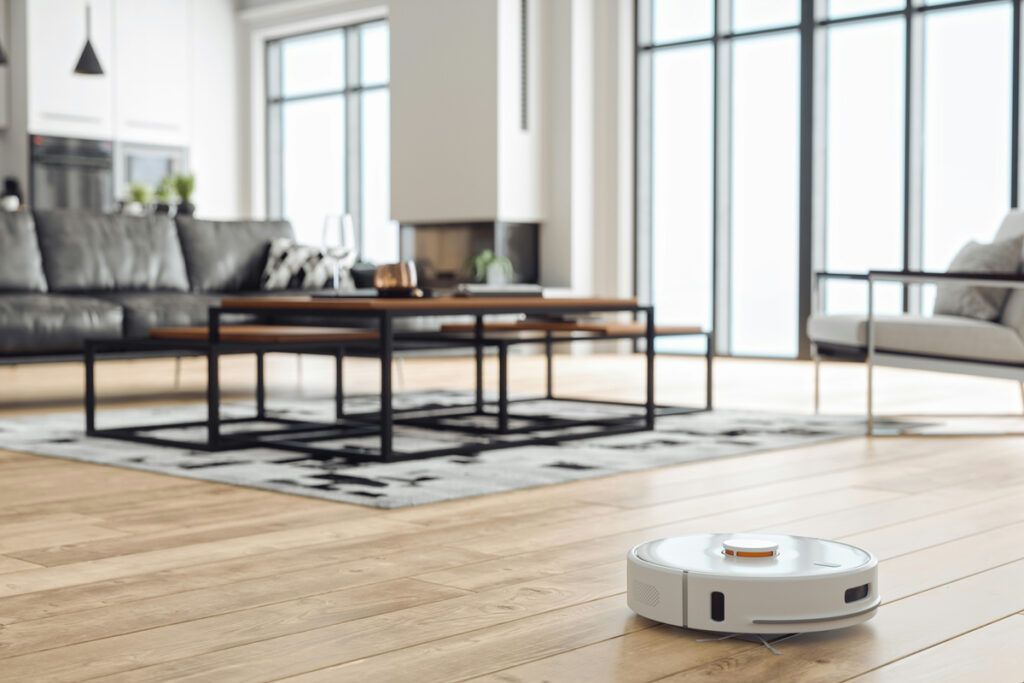
Robot vacuums use a variety of different types of sensors to understand their surroundings. Cliff sensors help prevent tumbles down stairs, infrared or ultrasonic sensors detect nearby objects, and bump sensors let the robot know when it has run into something (which they used to do a lot).
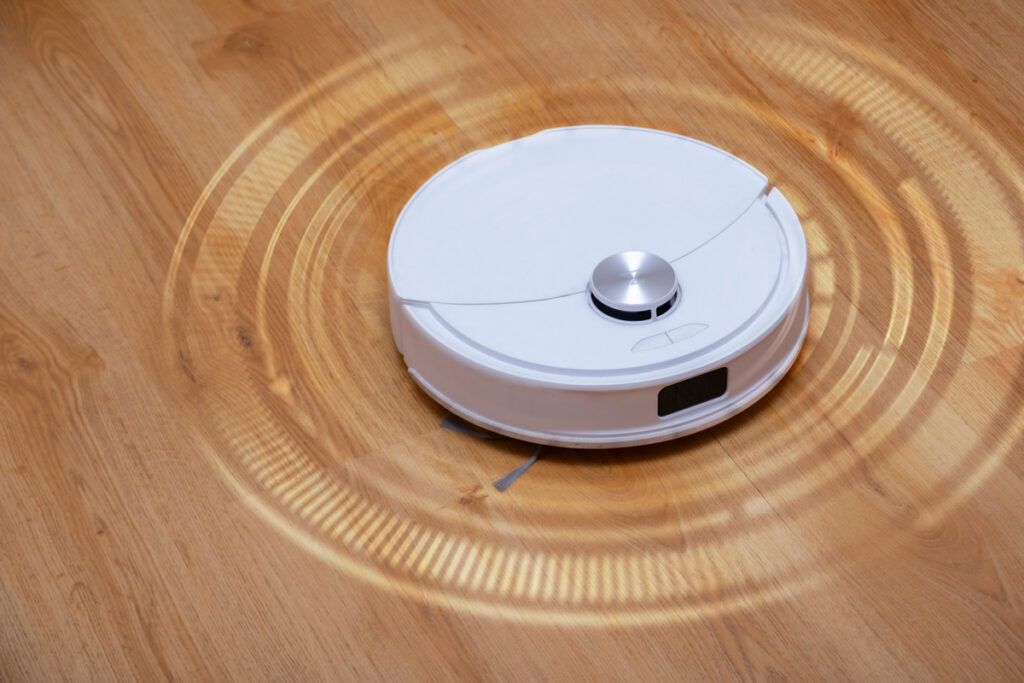
Early robot vacuums relied largely on these sensors. They tended to wander somewhat aimlessly around a room, changing direction whenever they encountered an obstacle. Modern robot vacuums take a much more sophisticated approach. Many use LiDAR (Light Detection and Ranging), a technology that measures distances using laser pulses. A spinning LiDAR unit scans the room, calculating how long it takes light to bounce back from walls, furniture, and other objects that may be on your floor, like slippers or pocketbooks. Using those measurements, the robot creates a detailed map of its surroundings.
Some models also use cameras and a system known as Visual Simultaneous Localization and Mapping (VSLAM). Instead of laser pulses, these vacuums use visual landmarks — such as corners, doorways, and furniture edges — to build a map and determine their position within it. In both cases, the goal is the same: The robot isn’t simply avoiding obstacles; it’s creating an internal model of the home and constantly updating its location within that model, so it knows where it’s been and where it’s going.
If the sensors are the eyes of a robot vacuum, its computer is the brain — and this is what really separates newer ones from older generations. Once a house is mapped, navigation software using path-planning algorithms takes over. The robot divides the home into zones and calculates efficient routes, avoiding the random bump-and-turn behavior common in older models. Many apps allow users to label rooms, create virtual boundaries, and assign different cleaning tasks to different areas (mopping your kitchen but vacuuming your area rugs, for instance).
Powered by sophisticated AI, some robot vacuums can now recognize different types of messes, as well as hundreds of common household objects, such as shoes, cables, toys, pet dishes, and sleeping cats. Rather than simply detecting an obstacle, the robot can identify what it is and decide how to respond. It can also learn over time, so it knows that a table leg will stay in place even though the cat sleeps all over the house.
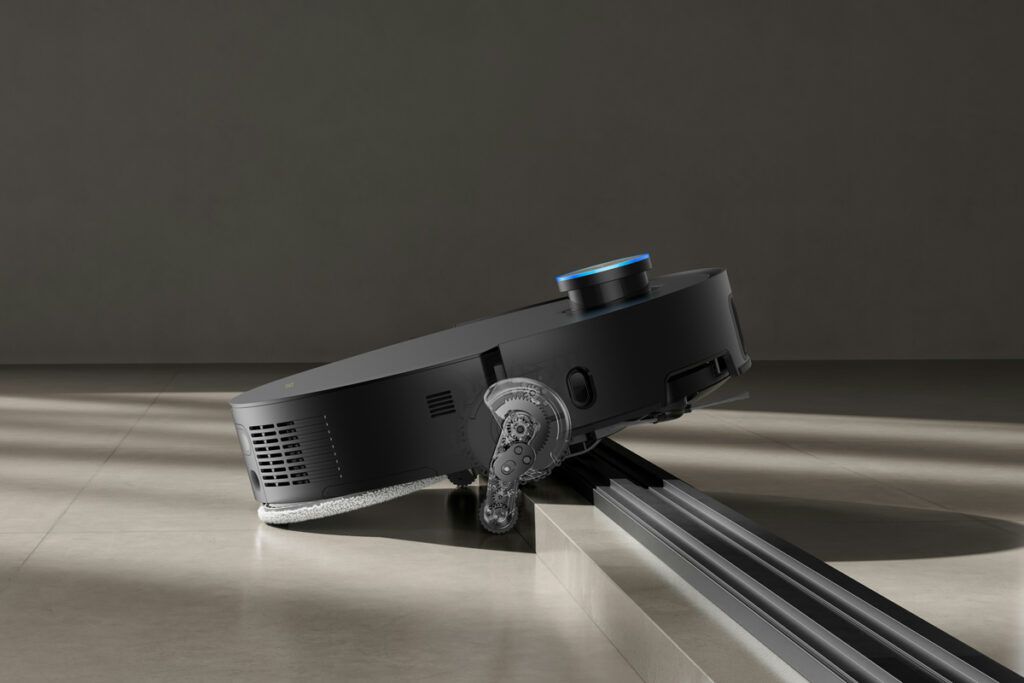
This technology is enabling the robot to do a lot more than vacuum or mop. Some new models have robotic arms that can pick up lightweight objects such as socks before vacuuming underneath them.
Even more, they can carry and drop the sock off in a hamper, or a chew toy by the dog bed. Other companies are introducing stair-climbing designs that can move between floors. Mounted cameras that livestream to your phone also turn robot vacs into household security guards. They can be trained to seek out your pet and let you say hello periodically from the office.
Similar navigation systems are already used in pool cleaners, as well as robotic lawn mowers, many of which rely on GPS-based geofencing (imagine a digital fence) to stay within virtual yard boundaries. Some robot vacuums also use geofencing as part of a smart home setup, which can detect when the last member of the family has left the house on a weekday morning and begin its cleaning tasks.
As sensors, mapping systems, and AI continue to improve, robot vacuums are becoming more than just automated appliances. Instead, they’re more like the household robots once confined to science fiction — even if they don’t wear French maid outfits and answer to “Rosie” like on The Jetsons. Yet.
Robot vacuums know where to go by combining sensors, digital mapping, navigation algorithms, and AI. Together, these and other new technologies help them not only get around your home, but also plan efficient routes, recognize and relocate obstacles, keep track of your pets, and even climb stairs.
Short Answer