ENGINEERING
What Makes Cling Wrap So Sticky?
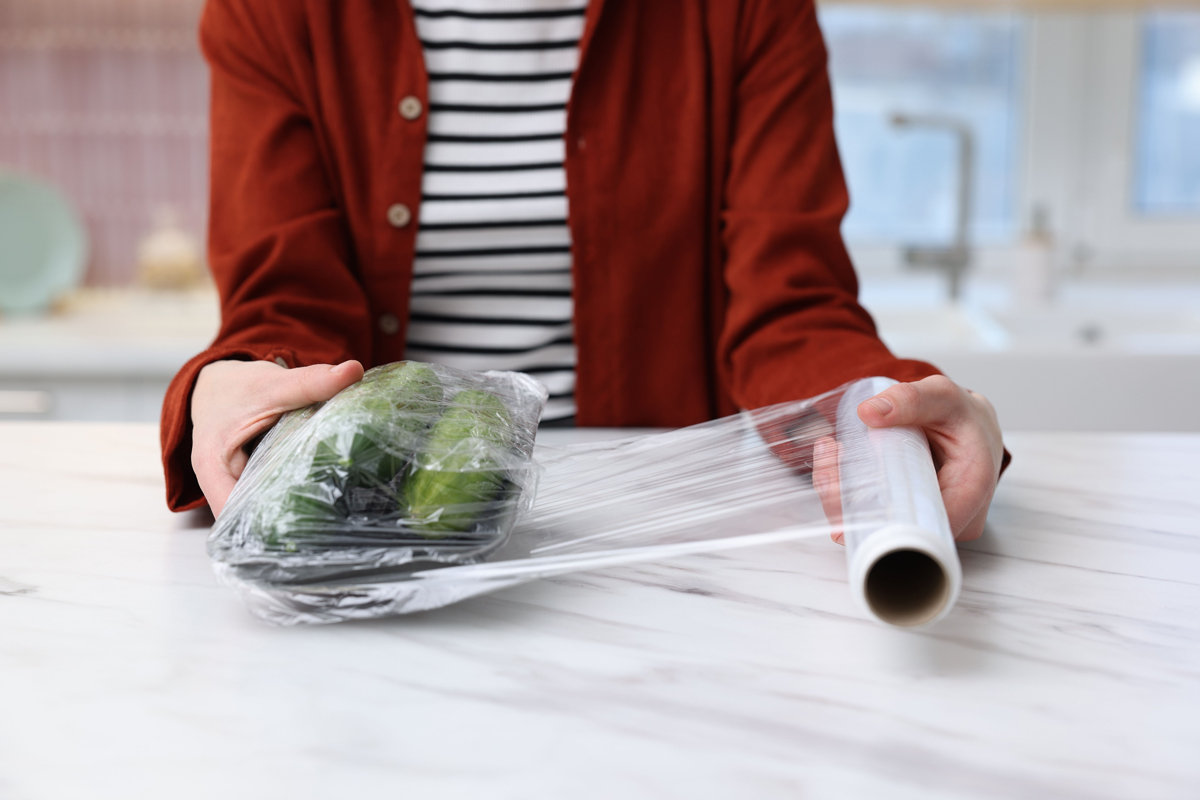

The party is over, and it’s time to put that leftover charcuterie in the fridge. Sure, you could break various meats and cheeses into several small containers, but why not just reach for cling wrap, cover the whole thing in plastic, and call it a day?
For more than 70 years, cling wrap — introduced for household use by Dow Chemical in 1953 as Saran Wrap — has been the go-to option for easy food storage. It does its job admirably, but the stuff isn’t exactly easy to handle. It sticks to everything — an impressive (if sometimes irritating) level of clinginess that’s achieved in ways you might not expect.
Sticky Science
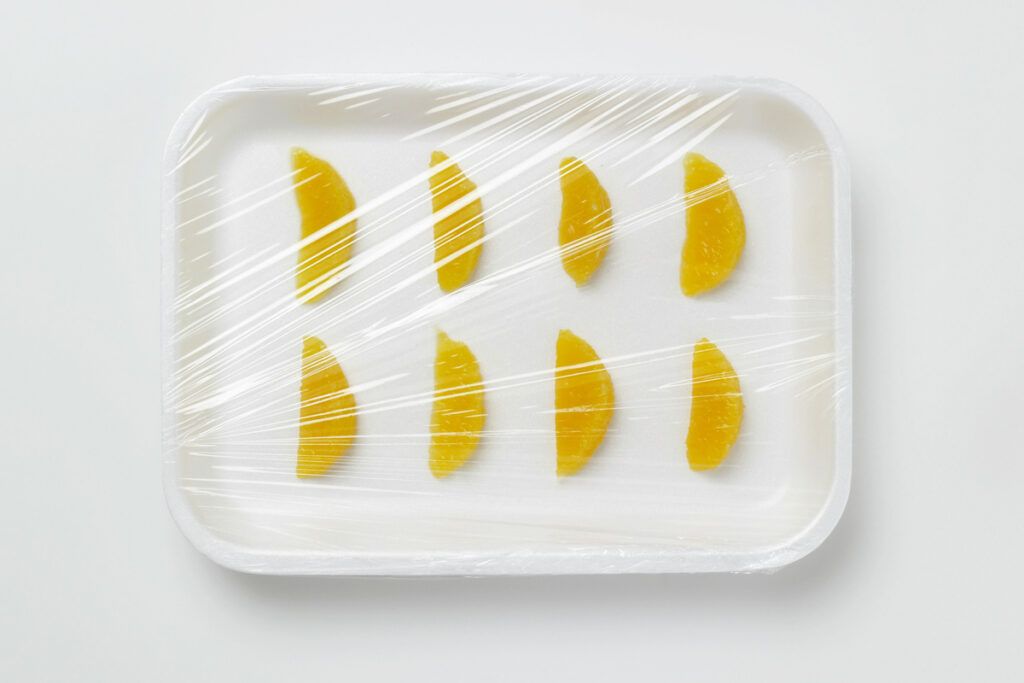
Like many modern innovations, cling wrap was discovered by accident. As chemists working for Dow Chemical experimented with different chlorine-based dry-cleaning chemicals, a residue made of polyvinylidene chloride (PVDC) formed. This polymer formed a barrier with a low permeability, meaning it could hold in odors while keeping out oxygen.
The military initially used “Saran,” as the product was then called, to protect sensitive aerospace parts from corrosive salty sea spray. But its impressive impermeability was also perfect for food storage. Cling wrap became a kitchen staple and leftovers around the world lived to be feasted upon another day.
The secret to its sticky success is actually static electricity. PVDC is a good electrical insulator, so when a sheet of plastic wrap is pulled off the roll, the friction creates pockets of static charge. These pockets are attracted to the opposite charges on your plate, allowing the thin layer of wrap to cling to it.
This static cling is the same as when a balloon sticks to your hair — but instead of rubbing the balloon to generate charge, you’re unrolling the wrap from its box. Its electrostatic properties cause cling wrap to try to stick to anything, especially insulators such as ceramic and glass. This is also why cling wrap doesn’t work well on conducting materials such as metal.
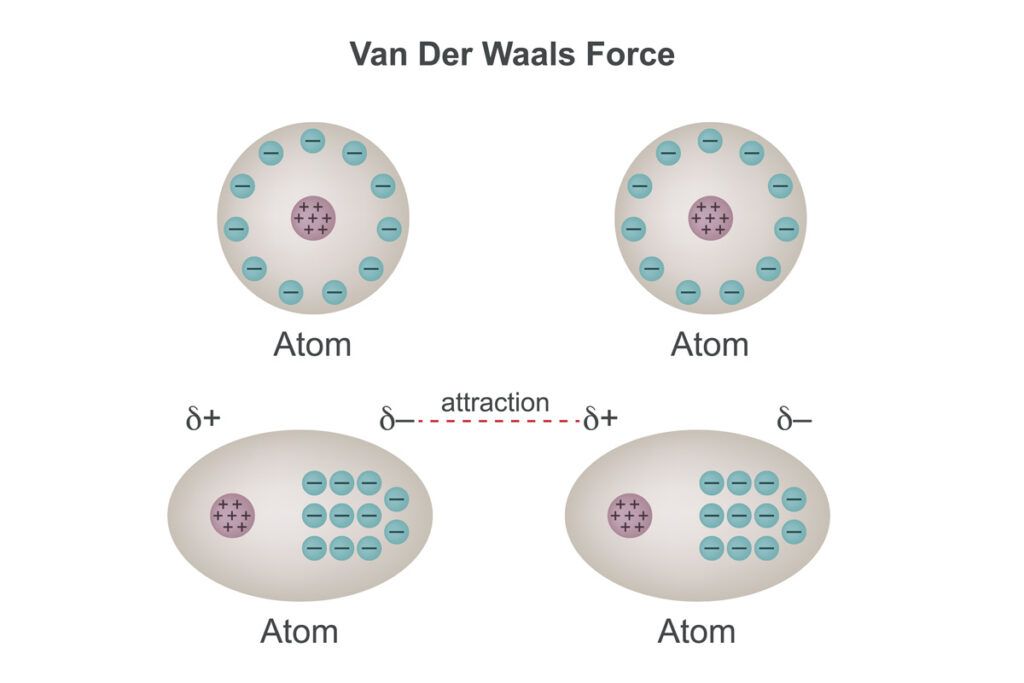
Another piece of sticky physics is something called van der Waals forces, weak intermolecular attractions that occur due to differences in electrical charge between nearby atoms. Geckos’ feet use a similar method to walk up walls. For this effect to take hold, the atoms need to be very close together.
When used on smooth surfaces, such as ceramic or glass, van der Waals forces help the cling wrap eliminate air pockets and enhance its clinginess. But, if you try to wrap a more porous material, such as wood, van der Waals forces are less effective.
Not Your Mama’s Cling Wrap
After growing concerns about the chlorine-containing compounds in PVDC contaminating food or releasing toxic chemicals in landfills, SC Johnson — who bought the Saran brand from Dow Chemical in 1998 — eventually switched to low-density polyethylene (LDPE).
The alternative is considered safe for food contact and has no chlorine, which releases toxic fumes when incinerated. However, LDPE is a less-effective oxygen and aroma barrier than PVDC and admittedly less sticky, though other adhesives are added to boost its usefulness.
The science behind LDPE is the same, though. Because of static electricity, van der Waals forces, and additional adhesive additives, cling wrap can easily stick to itself, which is why it can sometimes be such a maddening material to use.
But even as some consumers switch to more environmentally friendly options, such as compostable wraps, beeswax-coated cloths, and reusable silicone, many still cling to cling wrap as their go-to leftover protector.
Cling wrap is a thin polymer that is good at keeping aromas and moisture in to preserve food. It relies primarily on static electricity and molecular attraction to cling to surfaces. Friction from ripping a sheet of cling wrap creates an electrostatic charge that adheres to oppositely charged surfaces of other objects, especially other insulators such as glass and ceramic.
Short Answer