CULTURE
Why Do Schools Close for the Summer?

Family vacations, pool days, carnivals — summer is filled with plenty of opportunities for kids to soak up the sun while enjoying time off from school. But how was it decided that schools would shut down for the majority of the season?
While it’s a common misconception that schools close down for the summer because parents in rural areas need help on the family’s farm, that actually isn’t the case. Here’s what’s really going on.
If You Can’t Take the Heat, Stay Out of the Cafeteria
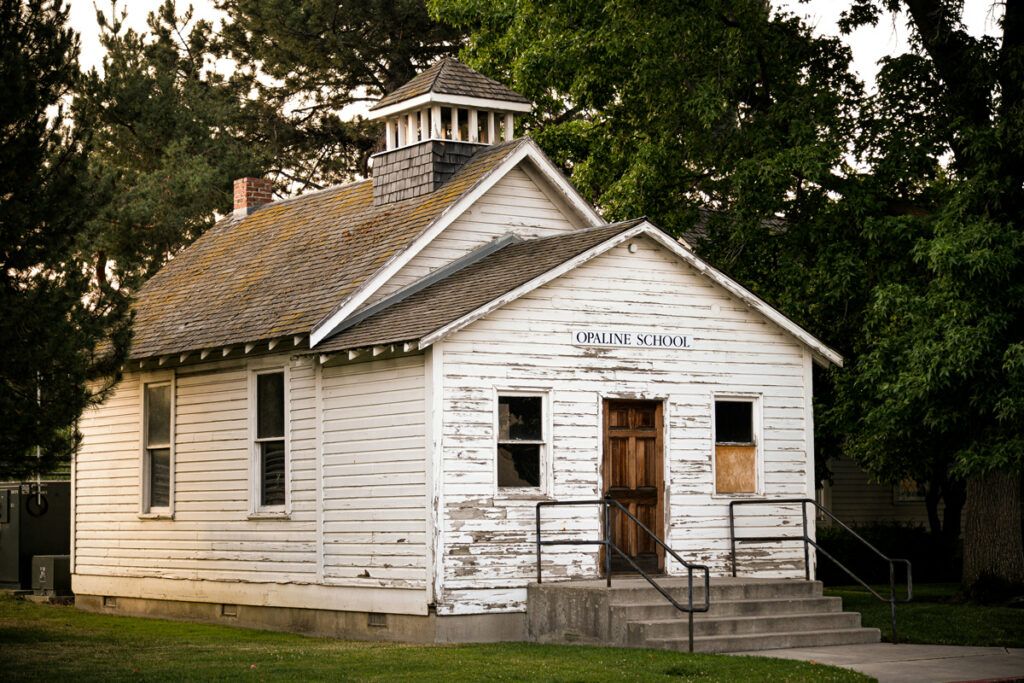
No one’s really sure where or when the myth about the school schedule’s agrarian roots comes from, though rural schools did often divide the year into distinct terms — summer and winter.
Urban U.S. schools, meanwhile, typically operated year-round until the late 19th century. Students had the option to attend as many days as they could, while schools in agricultural areas had fewer attendees during planting and harvesting seasons on their families’ farms (spring and fall).
Around the turn of the century, two things led to schools closing for the summer: a lack of air conditioning in school buildings and a push to standardize the school calendar across the country.
Air conditioning was invented in 1902, but it took a while to become widespread. With schools often becoming unbearably hot in July and August, summer was chosen as the standard time for all schools to shut down. Another reason was the fact that, in the U.S., wealthy families often left their city homes for cooler locations for several months, taking their children with them.
Summer Break Still Has Benefits

Now that air conditioning is accessible in most areas around the country, some have wondered why the traditional school calendar remains. But according to the Associated Clinic of Psychology, there are several benefits to keeping summers off.
Having time off from the pressures of high academic performance helps students alleviate chronic stress, prevent burnout, and restore emotional resilience. Children can catch up on much-needed sleep without early alarms and full schedules, which can improve both mood and cognitive performance.
Unstructured time to play outside can also improve kids’ mental health, and creativity may get a boost. Plus, social confidence may grow in kids involved with activities such as summer camps or sports, and emotional support can be fostered and strengthened when spending more time with friends and family.
Even teachers benefit from summer vacation. In fact, it was one of the reasons an extended break was factored into the school calendar in the first place. In addition to a reprieve from the heat, the time off allowed teachers to train. (It also provides many of the same mental health benefits for teachers, but this wasn’t as much a consideration in the early 1900s.)
Despite these benefits, some argue that the model is broken and outdated. Some evidence points to a “summer slide” in academic performance shown by children returning to school in the fall after a lengthy pause in studies. Some researchers are studying and advocating for more enriched summer school and summer programming.
Other districts have converted to a year-round schedule, with shorter breaks throughout. Students may find themselves longing for the days when summer breaks were the norm, but at least they’re not toiling away on the farm in July.
Schools have summers off because before air conditioning was readily available, schools would become extremely hot in the summer, and wealthier families would vacation in cooler climates with their children. When a standardized calendar was proposed for the school year, it was decided that schools would close for the summers, giving teachers time for training and kids a break. Despite some advocating against it, summer break is still popular as it helps improve students’ mental health and well-being.
Short Answer