HEALTH
How Does Sunscreen Stop a Sunburn?

On a scorching summer day, having nothing but a thin layer of lotion standing between your skin and a sunburn can seem like the flimsiest of defenses. After all, it’s the sun, the most powerful source of energy in our neck of the galaxy. But somehow it works.
How can something you paid just a few bucks for and squirt from a bottle protect you from powerful UV radiation blasting your skin for potentially hours at a time?
Sunscreen isn’t a form of medicine that fights skin damage like your immune system might. It’s more like a bouncer, stopping most of that solar radiation at the door before it can ruin your skin’s party (or at least, your afternoon at the beach).
Catching Rays
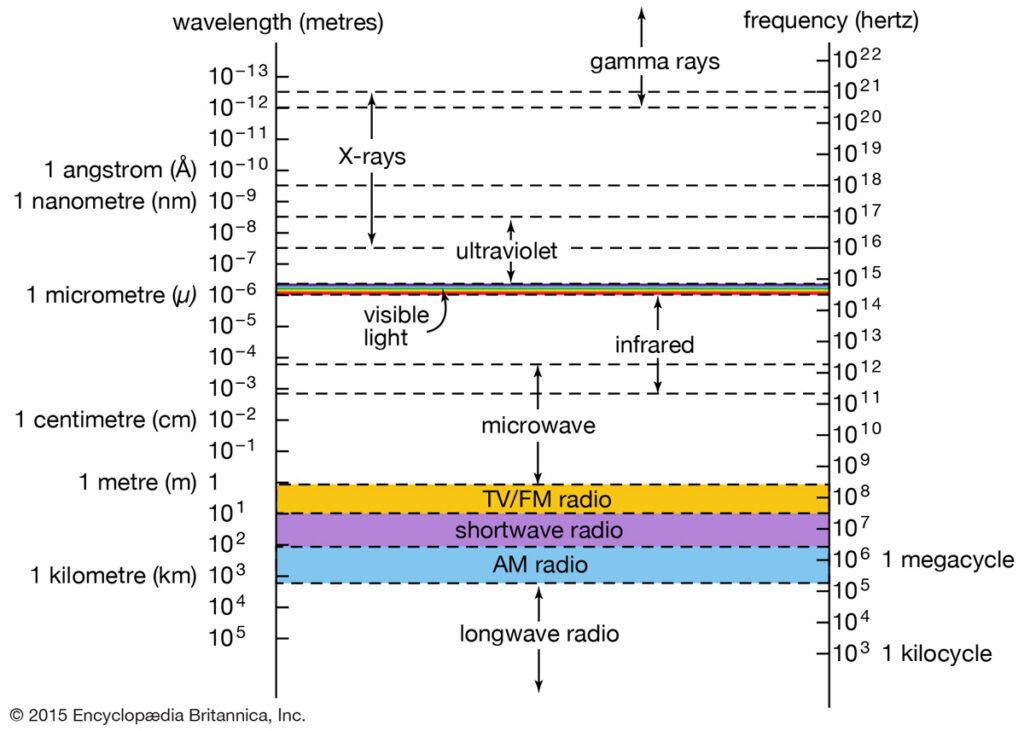
A sunburn isn’t a heat burn, like the kind you might get from grabbing a hot pan handle. Instead, it’s your body’s own response to damage caused by ultraviolet (UV) radiation that, while invisible, makes up about 5% of sunlight reaching the surface. Think of the visible wavelengths of light as the colors of the rainbow: red, orange, yellow, green, blue, indigo, and — finally — violet. UV is what comes next, hence “ultraviolet.”
When UV rays penetrate the skin, they can physically alter cells, damaging them and your DNA. In response, the body launches an inflammatory reaction, increasing blood flow to the area and causing redness, tenderness, and swelling.
Sunscreen helps prevent sun damage in the first place by forming a protective film on the surface of the skin. This film contains special ingredients that serve as UV filters, like microscopic pairs of sunglasses for your skin cells. The filters interact with incoming ultraviolet radiation before it can penetrate deeply enough to wreak havoc.
Sunscreens are often divided into two categories: chemical and mineral. Chemical sunscreens contain organic UV filters — not “organic” in the grocery store sense, but meaning they contain carbon-based compounds (which can be unnecessarily absorbed into your bloodstream). Mineral (or physical) sunscreens contain inorganic ingredients, usually zinc oxide, titanium dioxide, or both. Many modern sunscreens combine ingredients from both categories.
For years, people were often told that chemical sunscreens absorb UV rays while mineral sunscreens reflect them. Scientists now know the story is more complicated. Most sunscreen ingredients, including the mineral filters zinc oxide and titanium dioxide, protect the skin primarily via the same process. And that process is absorbing UV radiation.
When a UV ray strikes one of these ingredients in your sunscreen, its energy is absorbed and converted into a tiny amount of heat. The amount of heat is so small that you can’t feel it, but it means the UV energy is no longer available to harm your skin. In a sense, sunscreen gives UV energy somewhere else to go before it can collide with your DNA.
The Myth of SPF
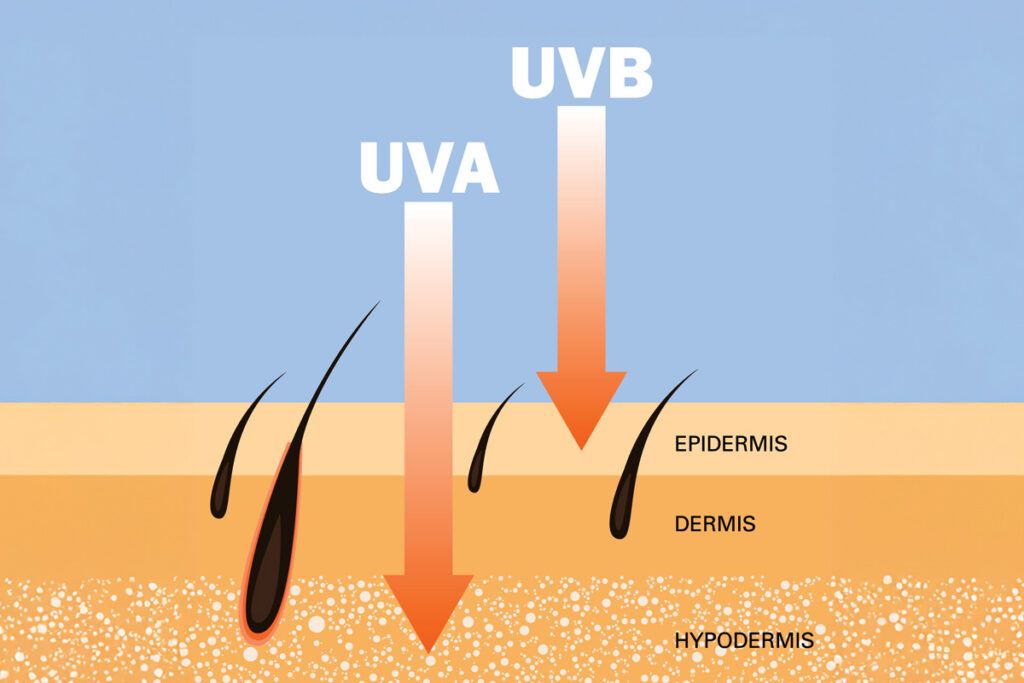
Not all UV rays are the same. UVB rays are the chief sunburn culprits, while UVA rays penetrate more deeply and contribute to wrinkles and other signs of skin aging. That’s why dermatologists recommend broad-spectrum sunscreens, which are designed to protect against both.
The SPF on your sunscreen bottle stands for “sun protection factor.” Many people think SPF measures how long you can stay in the sun without burning, but that’s a common misconception. Instead, it tells you how much UV radiation you can absorb before starting to sunburn.
It’s an important distinction, because the amount of UV radiation you receive at any given moment depends on many factors, including the time of day, cloud cover, your skin type, and how much sunscreen you apply. Never assume you’re safe from burning for 30 minutes simply because you’re using SPF 30.
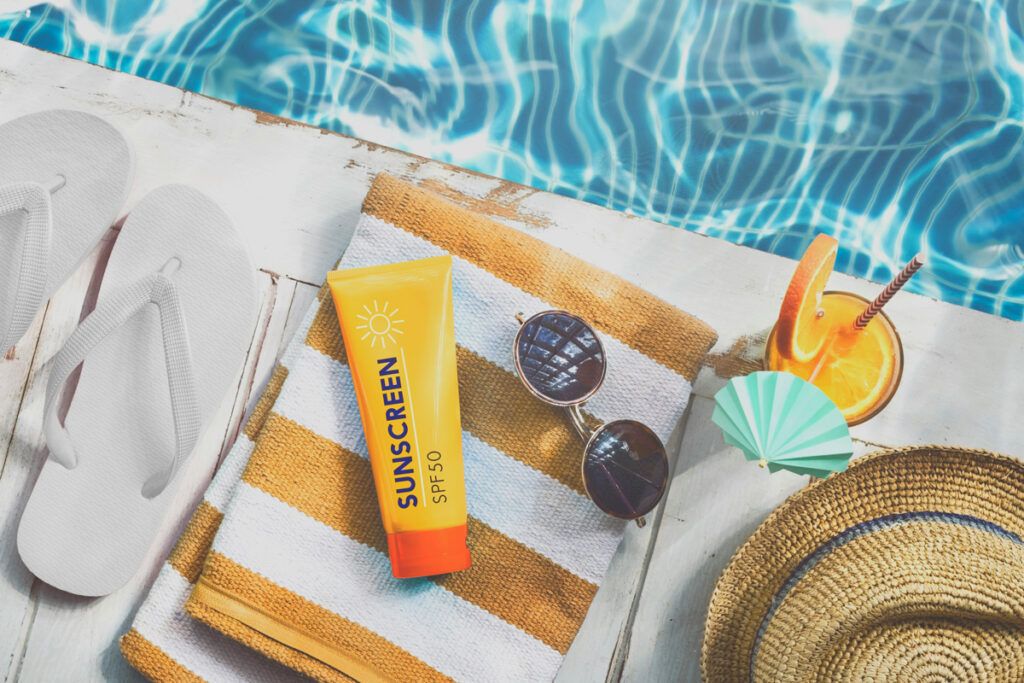
In general, a higher SPF provides greater protection against UVB rays, the main cause of sunburn. The Skin Cancer Foundation recommends wearing SPF 50+ when you’re outdoors for an extended time and SPF 30+ for typical daily use. It also recommends using a water-resistant broad-spectrum sunscreen. That’s because sunscreen isn’t some magical, impenetrable force field.
Water (from sweat or the pool) will break down its formula, as will friction. Plus, people tend not to apply the recommended amount. Eventually, it will wear off, maybe sooner than you need, and some UV radiation will still reach your skin.
That’s why dermatologists recommend combining sunscreen with other forms of protection, such as hats, sunglasses, protective clothing, and good old-fashioned shade. (Trees have been in the sunscreen business for a very long time.)
Sunscreen prevents sunburn by reducing the amount of ultraviolet radiation that reaches your skin. Its active ingredients absorb much of the UV energy before it can damage skin cells, making the inflammation and redness of a sunburn less likely.
Short Answer